Uncategorized
Three Months, No Guaranteed Shortcut: Hair Detox for Amphetamines
Oct
You cannot fully “detox” hair of amphetamines once the drug has bonded into the keratin structure, though surface cleaning can reduce residue in some cases. Your most useful move right now is to verify your current status with a home test, consider a trim if the timeline allows it, and follow a careful cleaning routine if your test date is close. No method guarantees a negative result, which is exactly why verification matters more than any single product.
TL;DR:
- Standard head hair covers about three months, with each half inch representing roughly one month; growth rate, pigmentation, density, and use alter results.
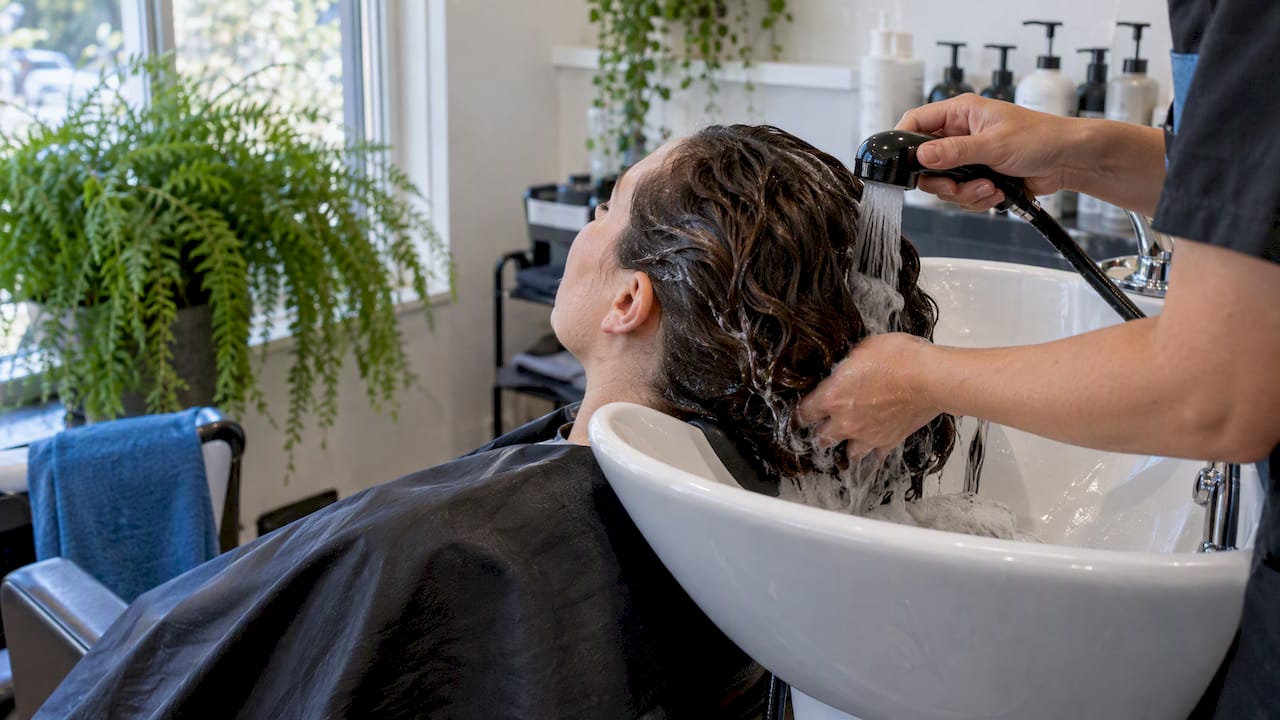
- Routine home shampoos can reduce surface residue but cannot reach drugs embedded in keratin, and labs wash samples before testing.
- Controlled studies found that repeated washing and dyeing reduced concentrations inconsistently, while peroxide can create metabolites that complicate lab interpretation.
- A trim can shorten the tested window if policy permits, but shaving your head may lead to body hair collection instead.
- With two or more weeks remaining, stop exposure and begin scalp focused washing; use a structured clarifying routine three to seven days before collection.
Table of Contents
Table of Contents
- How hair follicle testing detects amphetamines
- Detection window for amphetamines in hair and what changes it
- Do detox shampoos, bleach, and home remedies actually work?
- Step-by-step protocol to follow before your test
- What the research actually shows about amphetamine detox
- What two decades in this space has taught us
- What I’d actually tell a friend in this situation
- Get verification and cleansing products built for this exact situation
- FAQ
- Sources
How hair follicle testing detects amphetamines
Hair testing works because drugs circulating in your bloodstream get pulled into the hair follicle as the strand forms, then stay physically locked inside the keratin as the hair grows out. This is different from surface contamination, where drug residue (from smoke, sweat, or handling) settles onto the outside of the strand without ever being metabolized into the hair’s core. According to research on hair shaft biology, hair is nonliving once formed, so anything trapped inside it cannot be broken down or flushed out the way it would be in living tissue.
Labs distinguish between these two pathways using a specific workflow:
- Hair samples are collected close to the scalp, usually from the back of the head.
- Samples go through a decontamination wash meant to strip external residue before testing.
- An initial screening test flags samples that may be positive.
- Confirmatory testing using liquid chromatography tandem mass spectrometry (LC-MS/MS) identifies and quantifies specific compounds.
Labs typically report the parent drug (amphetamine) along with related metabolites, and they apply cutoff concentrations to decide whether a sample counts as positive. A result just under that line reads as negative; one just over it reads as positive, regardless of how the underlying biology got there.
Detection window for amphetamines in hair and what changes it
A standard head-hair test covers approximately three months of growth, since hair testing research ties each roughly half-inch segment to about one month of exposure history. That means the most recent use shows up closest to the scalp, while older use appears farther down the strand.
Several things can shift how much shows up and how far back it reaches:
- Hair grows at different rates between individuals, which stretches or compresses the apparent timeline.
- Darker, more pigmented hair tends to bind certain drugs more readily than lighter hair, according to the same PubMed review, which means two people with identical use patterns can test differently.
- Thicker or denser hair holds more material overall, which can affect how concentrated a sample reads.
- How often and how much you use changes how much drug is available to incorporate in the first place.
External factors matter too. Environmental exposure (living with someone who uses, or spending time in a space where amphetamines are smoked) can deposit residue on the outside of hair that is not metabolized but can still complicate results. Cosmetic treatments and whether the sample comes from head hair versus body hair also change what a lab finds.
Do detox shampoos, bleach, and home remedies actually work?
Nearly every home method people try falls into one of a few categories, and the evidence behind each is mixed at best.
- Detox shampoos and multi-step kits are built to strip surface residue through repeated washing and chelating agents; they can reduce what sits on the outside of the strand, but PubMed research on hair biology confirms they cannot touch what is embedded inside the shaft. Our guide on whether detox shampoos work walks through this distinction in more detail.
- Bleaching, dyeing, and peroxide treatments can lower the concentration of the parent amphetamine compound, but in vitro research from RTI found that peroxide exposure can generate hydroxy metabolites and shift the ratio between parent drug and metabolite, which complicates how a lab interprets the result rather than guaranteeing a clean read.
- Repeated washing and single dyeing treatments reduced methamphetamine and amphetamine concentrations by measurable amounts in experimental testing, but the reductions varied widely between samples and did not reliably drop below standard lab cutoffs.
- Vinegar and other acidic rinses are popular folk remedies with no comparable published testing behind them, so treat any claimed effect as unverified.
Lab decontamination washes are specifically designed to strip external contamination before testing, which is part of why over-the-counter washing has limited reach: labs already remove much of what a home wash targets, leaving the embedded fraction untouched.
Pro Tip: Aggressive bleaching and repeated chemical treatments can damage your hair and scalp without reliably changing a lab result, so weigh that trade-off before committing to extreme measures.
Step-by-step protocol to follow before your test
If you have a hair test scheduled, work through this in order rather than trying everything at once.
- Start with a home verification test. This is the single most informative step, since it tells you where you currently stand using analyte classes similar to what labs screen for.
- Two or more weeks out: stop any further exposure, begin a scalp-focused washing routine, and decide whether a trim or full cut is realistic for your situation.
- Three to seven days out: follow a structured cleaning routine using a detox or clarifying shampoo as directed; our comparison of detox versus clarifying shampoo explains which fits different hair types and timelines.
- The day before your test: do a final wash, avoid introducing new products that could leave residue a lab might flag, and run a second home test if you have one available.
- Immediately before collection: a final verification check, if you can arrange it, gives you the clearest picture of what the lab is likely to see.
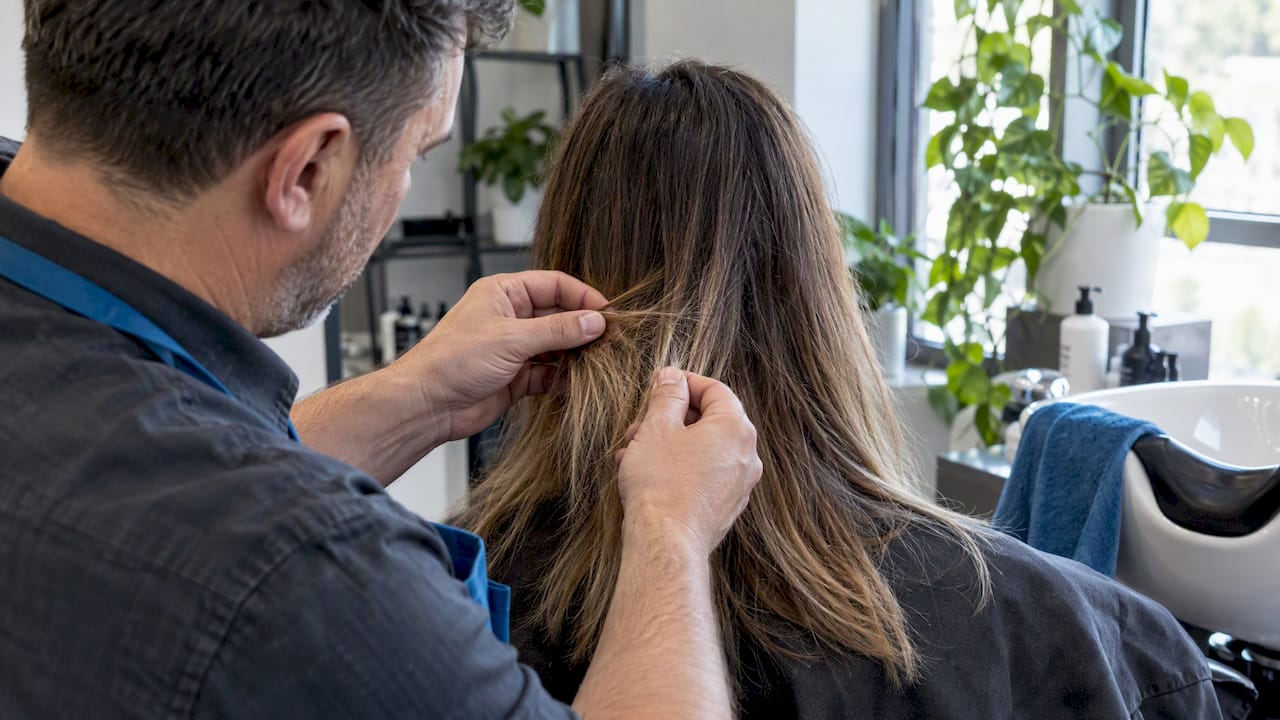
Cutting hair short, where policy allows a shorter sample length, reduces the window a lab can test and is one of the more straightforward options when your timeline is tight. Full head shaving removes head hair entirely, though many testing programs can substitute body hair, which carries its own detection window.
For the cleaning routine itself, concentrate on scalp contact time rather than just lathering the ends, since that is where recent growth sits closest to the follicle. Step-by-step shampoo instructions are covered in our guide to using detox shampoo.
Pro Tip: Stop any protocol that leaves your scalp irritated, cracked, or bleeding, since broken skin changes how products absorb and adds a health risk that outweighs any testing benefit.
Safety comes first throughout this process. If a product instruction tells you to leave bleach on for an extended period or repeat treatments back to back, that instruction is working against your hair’s integrity, not just the test.
What the research actually shows about amphetamine detox
Forensic science has tested most of these methods directly, and the findings temper a lot of marketing claims. The National Institute of Justice’s forensic research found that external contamination, such as methamphetamine residue from secondhand exposure, can persist even after standard lab decontamination washes, with some samples remaining above forensic cutoffs after repeated washing.
Separate experimental contamination research tested sweat, smoke, and direct contact as contamination routes and found it difficult to fully strip amphetamines from exposed hair, even though some wash methods performed better than others.
A few patterns stand out:
- Peroxide-based treatments can alter parent-to-metabolite ratios, according to RTI’s in vitro work, which can muddy interpretation rather than clear a sample.
- Repeated washing reduced concentrations by measurable but inconsistent amounts in controlled studies, meaning results depended heavily on the individual sample.
- Labs set cutoffs specifically so that small percentage reductions do not flip a genuinely positive sample to negative, a threshold system explained further in our breakdown of hair test cutoff levels.
What two decades in this space has taught us
We have spent significant time focused on hair-cleansing products and the research behind them, and that experience shapes how we talk about what is realistic. Our catalog centers on certain detox shampoos and multi-step cleansing methods, paired with written guides that walk through application and timing. We offer phone support for anyone working through the process and unsure which step applies to their situation.
A scalp-focused shampoo routine paired with accurate verification testing is the practical core of what we recommend, and our home hair detox protocol lays out the sequence in more depth than a single article can cover. For general background on how hair testing works, our hair drug test information hub is a useful starting point.
What I’d actually tell a friend in this situation
Your odds depend heavily on how recently you used, how much, and how your hair holds pigment, so skip anything promising a guarantee and verify instead. If your test is weeks out, a disciplined cleaning protocol is worth the effort; if it is tomorrow, a trim and an honest conversation with whoever ordered the test may serve you better than panic bleaching. If amphetamine use is ongoing and causing stress like this, talking to a healthcare provider about support options is worth doing regardless of any upcoming test.
— MIchael
Get verification and cleansing products built for this exact situation
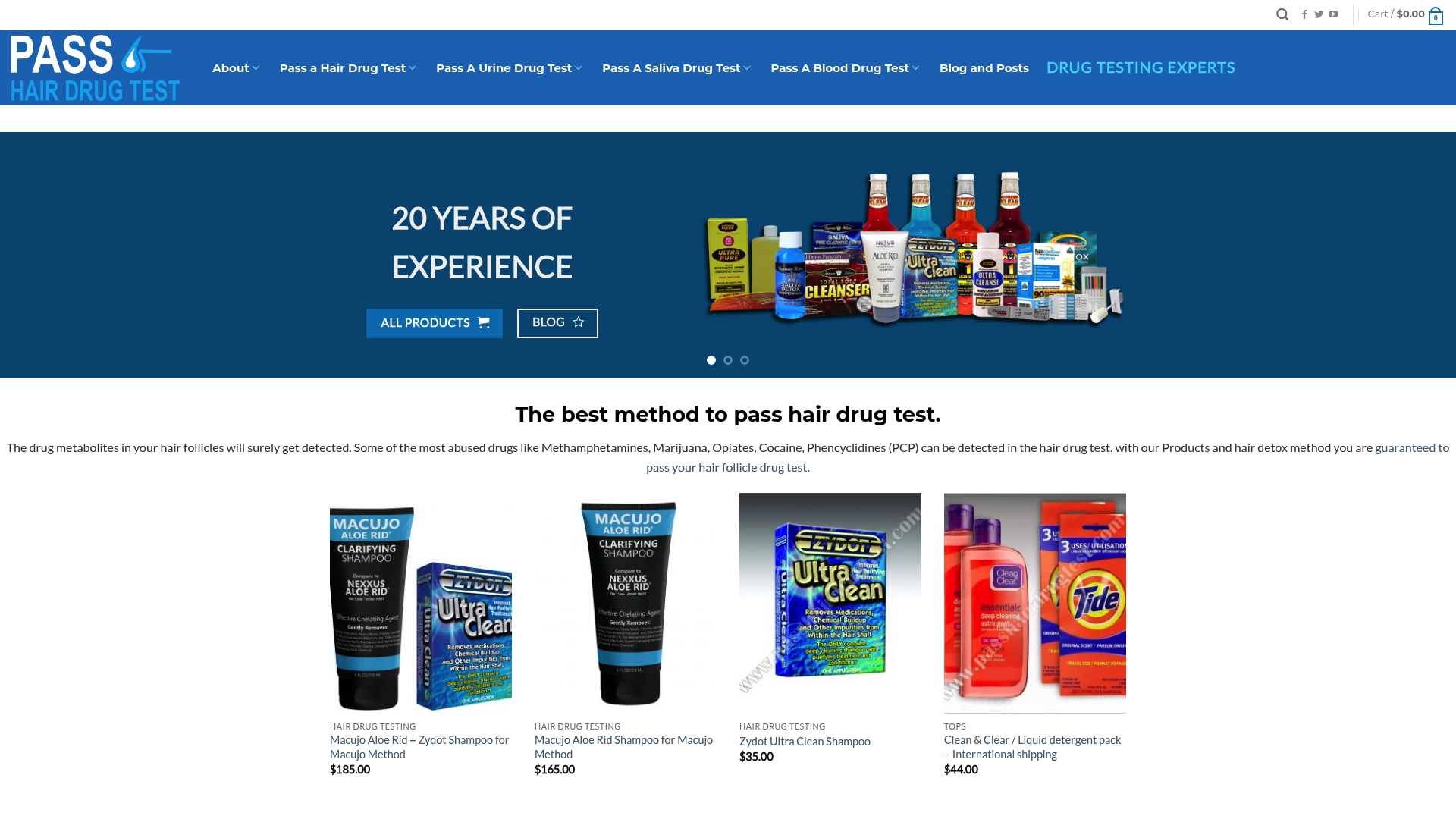
We carry the hair drug testing products built around the protocol described above: scalp-focused shampoos, the multi-step Macujo Method kit, and home verification tests you can run before your actual appointment. Running a verification test first takes the guesswork out of the equation, since you get a direct read on where you stand instead of hoping a routine worked.
If you want a packaged option built around our shampoo and method together, our hair follicle test page walks through what is included and how the steps fit together. Phone support is available if you are unsure which product matches your hair type or timeline.
FAQ
How can I ensure I pass a hair follicle drug test?
No method offers a guaranteed outcome, since embedded drug markers inside the hair shaft cannot be fully removed. The most reliable approach combines early action (cutting off exposure as soon as possible), a disciplined scalp-focused cleaning routine, and a home verification test before your actual appointment.
What is the best detox shampoo to use before a hair drug test?
Macujo Aloe Rid Shampoo and Zydot Ultra Clean Shampoo are the two products most associated with hair-cleansing routines, often used together as part of the multi-step Macujo Method. Our comparison of detox versus clarifying shampoo explains how each type functions differently.
What can throw off a hair follicle test?
Environmental exposure to drugs, certain cosmetic treatments, and even hair thickness or pigmentation can all influence a lab result beyond direct use. Research on hair incorporation shows that darker, more pigmented hair tends to retain certain compounds at higher rates than lighter hair.
Does hydrogen peroxide remove drugs from hair?
Peroxide can reduce the concentration of the parent amphetamine compound, but in vitro research found it can also generate hydroxy metabolites that shift the ratio labs use to interpret results. That makes peroxide an unreliable standalone solution rather than a dependable fix.
How long do amphetamines stay detectable in hair?
A standard test window covers approximately three months of hair growth, with each segment of hair corresponding to about a month of history. Detection depends on growth rate, hair characteristics, and amount of use, details covered further in our page on meth and amphetamine detection time.
Sources
- PubMed: hair shaft incorporation and testing limitations
- NIJ: Analysis of drugs of abuse in human hair — surface contamination and localization
- RTI: In vitro formation of hydroxy metabolites of cocaine and amphetamines after hair product exposure
- Analytical study: contamination routes and decontamination efficacy for methamphetamine
- Effects of repeated hair washing and a single hair dyeing on concentrations of methamphetamine and amphetamine in human hairs
Recommended
- Home Hair Detox: Realistic Protocol and Verification Guide
- Detox vs Clarifying Shampoo for Hair Drug Test Prep
- How to Use Detox Shampoo for a Hair Drug Test
- Best Hair Detox Shampoo for Hair Follicle Drug Tests
