
Uncategorized
Gray Hair Drug Testing: Why White Hair Can Still Test Positive
Oct
Gray or white hair can absolutely contain drug metabolites, but pigmentation often changes the concentration a lab measures compared with pigmented hair from the same person. Labs account for this with a two-step process, confirmatory testing like GC-MS or LC-MS/MS, and standard sample requirements set by major labs like Labcorp. The sections below walk through the mechanisms, the research, and what to actually do if you’re preparing for a test with gray hair.
TL;DR:
- A standard 1.5 inch scalp sample represents about three months of growth; Labcorp calls for roughly 100 milligrams, or 90 to 120 strands.
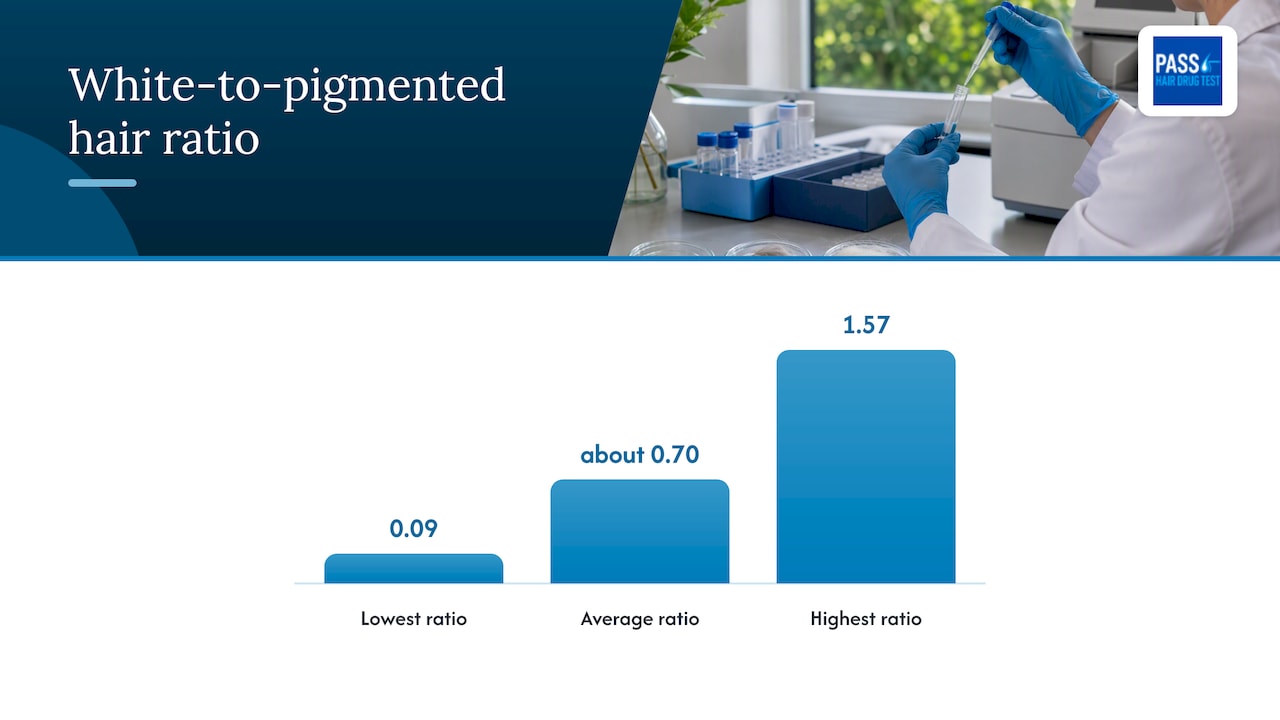
- White hair often contains lower concentrations, but one study found white to pigmented hair ratios from 0.09 to 1.57, varying by person and drug.
- A positive screen proceeds to GC/MS or LC/MS/MS confirmation, and a Medical Review Officer checks prescriptions or unusual cases before a final report.
- Disclose recent bleaching, dyeing, or chemical processing at collection; damaged or insufficient hair may prompt additional validation, a second collection, or an alternate specimen.
Table of Contents
Table of Contents
- What a hair follicle test measures and how much hair it needs
- How labs screen and confirm a positive result
- Why drug levels vary by pigmentation, treatment, and contamination
- What forensic research shows about gray and white hair
- Making sense of a result when hair is gray or chemically treated
- Key facts to remember before a gray hair test
- A note on reading the research honestly
- Resources to help you prepare with confidence
- FAQ
- Sources
What a hair follicle test measures and how much hair it needs
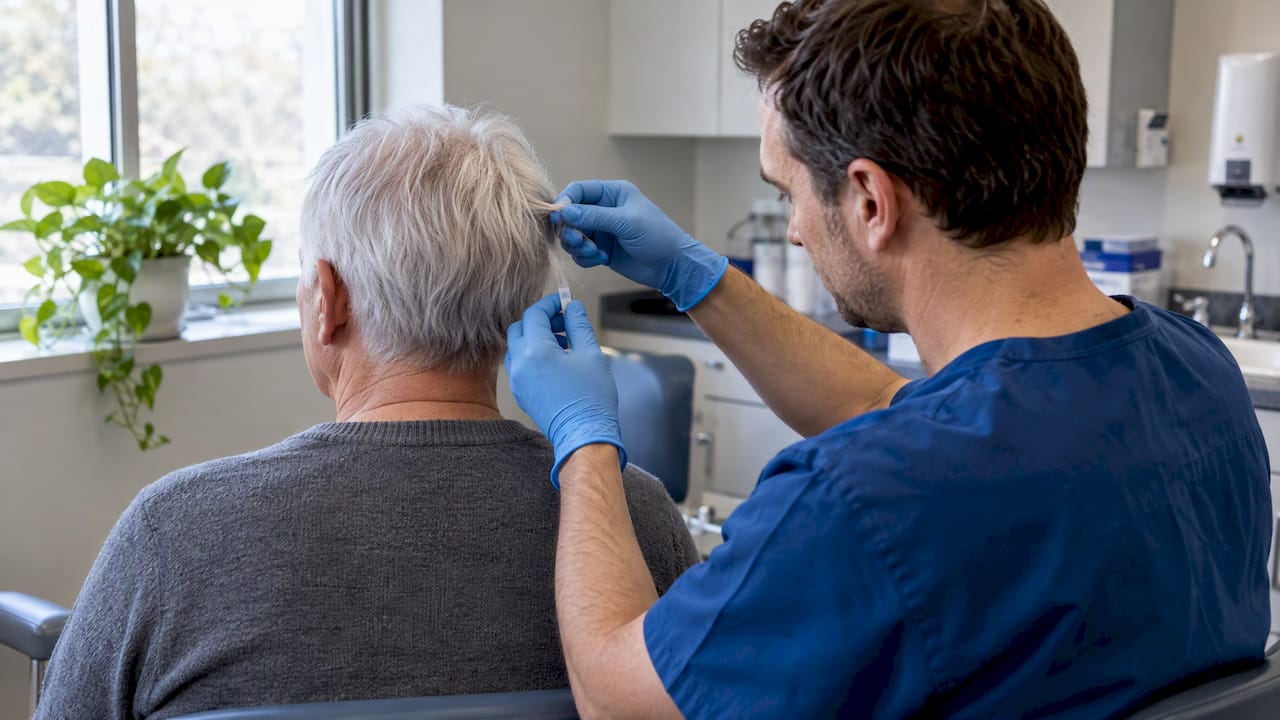
A hair follicle test looks for drug metabolites that travel through the bloodstream and become trapped in the hair shaft as it grows. Because scalp hair grows at roughly half an inch per month, a standard 1.5-inch sample typically captures about three months of history, which is why this window is commonly cited in testing literature.
Labs don’t need much material to run a full panel. Labcorp’s hair testing standard calls for about 100 milligrams of hair, approximately 90 to 120 strands, cut close to the scalp to preserve the timeline.
- Scalp hair gives the clearest 90-day timeline because growth rates are well documented.
- Body hair grows slower and less predictably, so labs treat it as a longer, fuzzier window rather than a precise 90-day marker.
- Collectors follow chain-of-custody steps: sealing, labeling, and documenting the sample immediately after cutting.
Shorter hair simply means a shorter look-back period, since there’s less shaft to analyze.
How labs screen and confirm a positive result
Every reputable hair test runs through two distinct stages. The first is a screening immunoassay, often ELISA, which is fast and sensitive but prone to occasional false positives from structurally similar compounds. Any sample that screens positive moves to a second, more specific method: gas chromatography-mass spectrometry or liquid chromatography-tandem mass spectrometry, both of which identify the exact molecular signature of a drug and its metabolites.
One in one dataset, concentration ratios between white and pigmented hair ranged from 0.09 to 1.57, averaging about 0.70, meaning white hair often measured lower but not always, and sometimes came close to matching pigmented hair from the same subject.
- Screening (ELISA) flags samples that need a closer look.
- Confirmatory testing (GC-MS or LC-MS/MS) verifies the exact substance before anything is reported as positive.
- A Medical Review Officer reviews flagged results, checks for legitimate prescriptions, and signs off before a final report goes to the requesting party.
Cutoff levels, reported in picograms per milligram (pg/mg), set the minimum concentration a lab needs to detect before calling a result positive. This threshold exists specifically to prevent trace, non-meaningful amounts from triggering a positive finding.
Why drug levels vary by pigmentation, treatment, and contamination
Not every strand of hair holds drugs the same way, and pigmentation is one of the biggest reasons why.
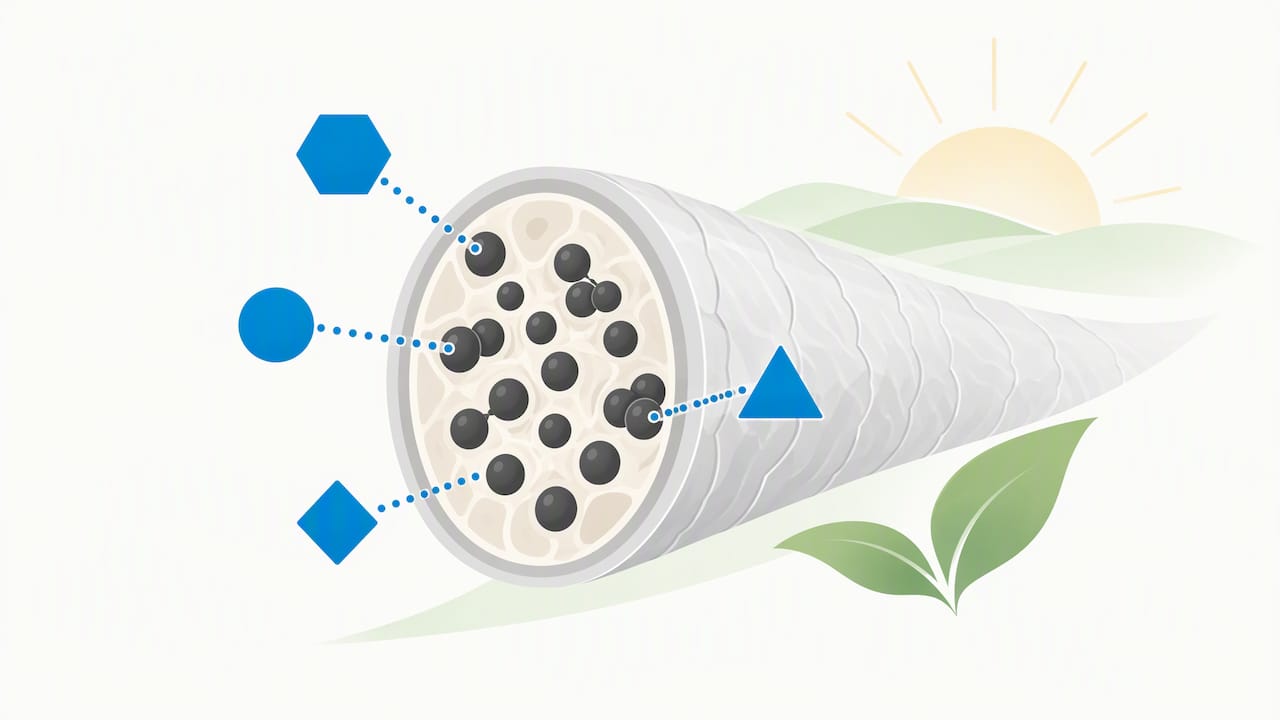
- Melanin, the pigment that gives hair its color, binds to certain drug compounds, particularly cationic (positively charged) substances, which can mean darker, more pigmented hair retains higher concentrations of some drugs than lighter or gray hair from the same person.
- Bleaching, frequent coloring, and aggressive chemical processing can strip drug residues from the hair shaft, lowering measured concentrations and sometimes damaging the hair’s structural integrity enough that labs flag it as unreliable.
- External contamination, such as secondhand smoke settling on hair, looks different to a lab than internally incorporated drugs, so labs run intensive washing protocols and test for phase II metabolites, byproducts that only appear when a substance was actually metabolized by the body, to tell the two apart.
Pro Tip: If you’ve recently bleached or heavily processed your hair, mention it at collection. Labs that identify damaged or porous hair apply different validation steps before trusting quantitative results.
The effect isn’t uniform across every drug. Some substances bind more readily to melanin than others, which is part of why researchers caution against generalizing pigmentation effects across an entire drug panel.
What forensic research shows about gray and white hair
The clearest data on this topic comes from controlled studies comparing pigmented and white hair from the same subjects. Research published in Forensic Science International found drugs present in both pigmented and white hair, but concentrations in white fibers were often smaller, with notable variability across individuals and compounds. That same body of work notes that improvements in mass spectrometry have pushed detection limits down from nanograms per milligram into the picogram range, which means labs can now catch smaller quantities than older methods allowed, an important detail when white hair naturally runs lower in concentration.
Concentration ratios between white and pigmented hair in one dataset ranged from 0.09 to 1.57, with a mean around 0.70, underscoring that gray hair can read lower, similar, or occasionally higher than pigmented hair depending on the drug and the person.
Forensic Science International, 1997
- Reduced melanin binding is the leading explanation for lower average concentrations in white hair.
- Drug-to-drug differences mean some compounds show a bigger pigmentation effect than others.
- Confirmatory testing and MRO oversight exist precisely to keep these natural variations from turning into inaccurate conclusions.
Because of this variability, no single study supports treating gray hair results as automatically unreliable or automatically clean. The safeguards built into the testing process, not the raw concentration number, are what keep interpretation accurate.
Making sense of a result when hair is gray or chemically treated
A positive result means a confirmed concentration above the lab’s cutoff after both screening and confirmatory testing. A negative means nothing detectable above that threshold, not necessarily zero exposure. When hair is gray, heavily processed, or in short supply, labs sometimes have limited material to work with, which can affect how confidently they can quantify (rather than simply detect) a substance.
- Insufficient sample size or extensively damaged hair can lead a lab to request a second collection or an alternate specimen.
- A Medical Review Officer reviews borderline or unusual cases and can request additional verification before finalizing a report.
- Disclosing recent bleaching, coloring, or chemical treatments at the time of collection gives the lab context it needs to apply the right validation steps.
If you have concerns about how gray or treated hair might read, asking about the lab’s confirmatory process and MRO review step is a reasonable way to understand what protections are already built in.
Key facts to remember before a gray hair test
The research is consistent on one point: gray and white hair can and do retain drug metabolites, often at lower but sometimes comparable concentrations to pigmented hair, and confirmatory testing is the main safeguard against misinterpretation.
- Mention any recent bleaching, dyeing, or chemical treatment at the time of collection.
- Ask whether a positive screen will go through GC-MS or LC-MS/MS confirmation before being reported.
- Request MRO review or an alternate specimen if you believe your hair’s condition affects accurate measurement.
For readers who want to go deeper into test mechanics, our hair follicle drug testing guide covers the process step by step.
A note on reading the research honestly
I’m Michael, and after more than 20 years working in this industry, the pattern I keep coming back to is this: raw concentration differences between gray and pigmented hair get a lot of attention, but they matter less than people assume once confirmatory testing and MRO review are in the picture. Those safeguards exist precisely to catch the variability the studies describe. If you’re trying to make sense of your own situation, lean on the lab’s process, not just the headline number, and use detailed resources to understand what’s actually being measured.
— MIchael
Resources to help you prepare with confidence
If you’re heading into a hair follicle test and want to understand your preparation options, our product catalog covers the tools people research most often, including the Macujo Aloe Rid Shampoo and Zydot Ultra Clean, both built around a multi-step cleansing approach rather than a single wash.
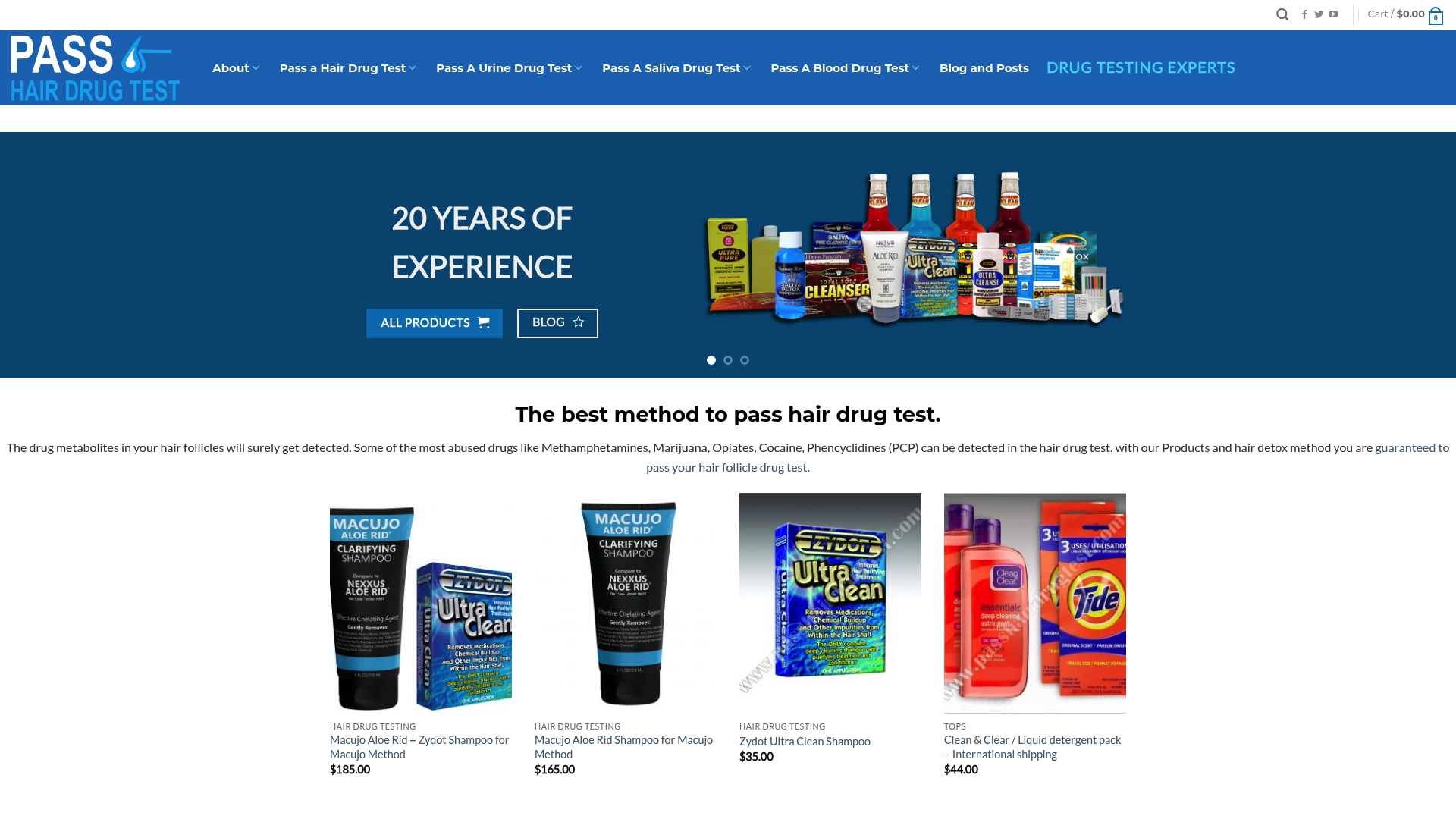
We’ve spent more than 20 years building out instructional material for people navigating hair testing, and we back that experience with unlimited phone support for anyone working through our Mike’s Macujo Method guides.
- Browse our full product catalog for hair, urine, saliva, and blood testing products.
- Read our hair drug test information hub for deeper explanations of testing mechanics.
- Check opioid-specific detection timelines if you’re researching a particular substance.
If you’re ready to look at options, our product catalog is the place to start.
FAQ
What shows up on a hair drug screen?
A hair drug screen typically checks for metabolites of commonly tested substances, first through an immunoassay screen and then, for any positive result, through GC-MS or LC-MS/MS confirmation. The confirmatory step identifies the specific drug and metabolite rather than just a general chemical class.
Can you pass a hair follicle test with hair dye?
Hair dye alone does not reliably remove drug metabolites, since the compounds are often bound within the hair shaft rather than just on the surface. Heavy bleaching or aggressive chemical processing can lower measured concentrations in some cases, but labs are trained to identify damaged or porous hair before trusting quantitative results.
How to pass a hair follicle test in 2026?
There’s no single guaranteed method, since lab confirmatory testing is specifically designed to catch attempts at tampering or dilution. People researching this topic often look into structured cleansing methods and detox shampoos, along with disclosing any cosmetic treatments at collection so the lab applies the correct validation steps.
What does “pg/mg” mean on a drug test?
“pg/mg” stands for picograms per milligram, the unit labs use to report how much drug metabolite was found per milligram of hair tested. A result only counts as positive once it crosses the lab’s established cutoff threshold for that substance.
Does gray hair affect drug test accuracy?
Gray and white hair can show lower average drug concentrations than pigmented hair due to reduced melanin binding, though the effect varies by drug and by person, with one dataset showing ratios between 0.09 and 1.57. Confirmatory testing and MRO review are the main tools labs use to keep this variability from affecting the final result.
Sources
- Hair drug testing | Labcorp
- How hair follicle testing works (Medical News Today)
- Effect of pigmentation on the drug deposition in hair of grey-haired subjects (Forensic Science International)
Recommended
- Hair Drug Test Information
- The Science Behind the Hair Drug Test
- How Can I Pass a Hair Drug Test?
- Bleach Lowers Lab Numbers but Doesn’t Guarantee a Negative Drug Test
