Uncategorized
Detox Shampoo Expiration: 7 Checks Before a Hair Test
Oct
There is no universal expiration for detox shampoo, so the manufacturer’s printed date or lot-specific guidance is the rule to follow, as FDA cosmetics guidance explains. Peer-reviewed lab work and SAMHSA’s hair-testing material show mixed results, so an in-date bottle is not a guaranteed pass. At PassHairDrugTest, we help you check dates, lots, and storage before test day.
TL;DR:
- Follow the printed expiration date; if it is missing or unreadable, ask the manufacturer or seller for guidance tied to the lot rather than guessing.
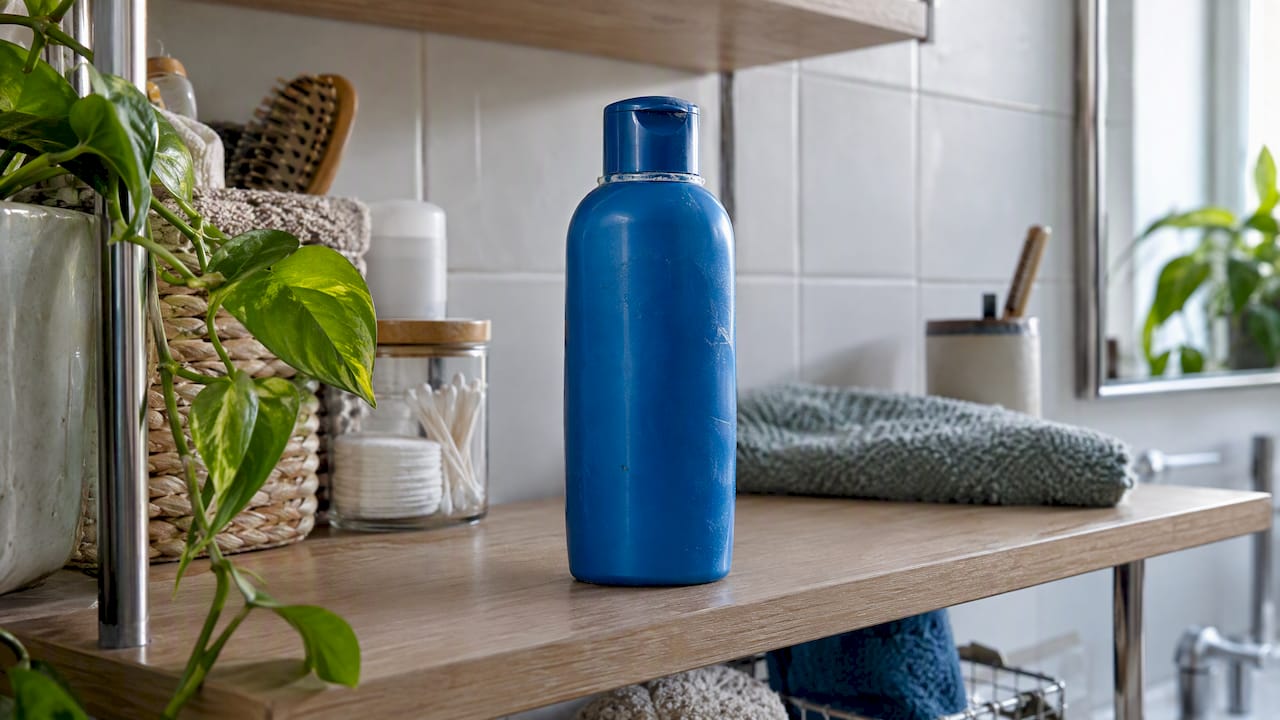
- Replace a bottle with an unusual odor, changed color, separation, unusual texture, or broken seal; opened bottles face greater contamination risk than sealed ones.
- A lab experiment found one shampoo lowered EtG by 73% ± 12% after eight hours in hair from nine subjects, not a guaranteed test outcome.
- Store shampoo upright with its cap closed, away from heat, humidity, and sunlight; proper storage preserves usability only through the printed date.
Table of Contents
Table of Contents
- How is the shelf life of a detox shampoo determined?
- How can you tell if a detox shampoo bottle is expired or compromised?
- Does an old detox shampoo still work for hair follicle tests?
- How should you store detox shampoo to keep it usable?
- What should you do if the date or lot code is missing?
- Why do we recommend following labels and evidence?
- Where can you get a fresh, sealed product with step-by-step support?
- FAQ
- Sources
How is the shelf life of a detox shampoo determined?
FDA defines shelf life as the period in which a product is expected to look and act as intended and remain safe. The manufacturer, not the shopper and not a single agency, decides that period. For cosmetics there is no legally mandated universal expiration, which is why you will not find one number that fits every bottle on the shelf.
A product regulated as a drug works differently, because drugs carry their own expiration requirements. Most hair detox shampoos are sold under cosmetic rules, so the printed date reflects the maker’s own judgment.
That judgment rests on a few practices:
- Stability testing, where samples are stored and checked over time for changes in look, smell, and performance
- Retained samples from each lot, kept so questions can be answered later, as described in FDA’s good manufacturing practice guidelines
- Microbial testing and record keeping that support recalls and lot-specific queries, covered in FDA’s guidance for industry
- Lot or batch codes that tie each bottle back to its records
So the practical rule is simple. Follow the printed expiration date. When there is no date, or you cannot read it, ask the maker or seller for lot-specific guidance instead of guessing.
How can you tell if a detox shampoo bottle is expired or compromised?
You can run most useful checks in a few minutes. FDA’s consumer advice on using cosmetics safely warns that products can deteriorate when stored too warm or too moist, so look for signs of that.
- Smell the shampoo. A sour, rancid, or sharply chemical odor that was not there before suggests the formula has changed.
- Check the color. Yellowing, darkening, or uneven tinting can point to breakdown of ingredients.
- Look for separation. Layers, watery pools, or oily streaks mean the formula is no longer stable.
- Feel the texture. Clumps, grit, stringy strands, or unusual sediment are red flags.
- Inspect the seal and cap. A broken or missing tamper seal on a new bottle means you should not trust it.
- Read the label. If the printing is smudged or the date is illegible, treat the bottle as undated.
- Think about opened versus unopened. An opened bottle has had air, fingers, and moisture in contact with it, so it carries more contamination risk than a sealed one.
If no expiration date is printed, write the date you opened the bottle on it. FDA recommends marking the open date so you can track the product’s age.
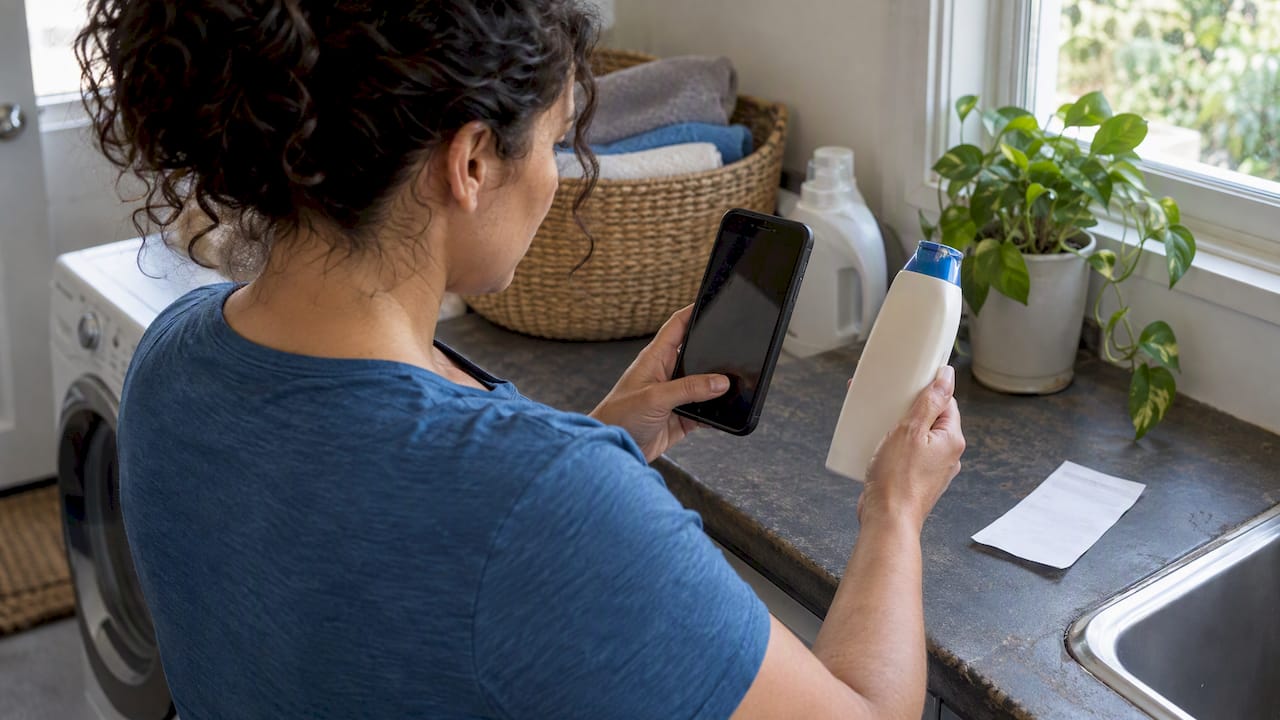
Pro Tip: Photograph the front label, the back label, the lot code, and the seal, and save your receipt, before you contact support. It makes lot checks much faster.
Does an old detox shampoo still work for hair follicle tests?
Date alone does not predict results. The best peer-reviewed look at this is a 2019 in vitro study of detox shampoos, which tested products against the alcohol markers EtG and FAEE. It does not cover every drug or every product.
- Most of the products tested behaved like plain water for EtG.
- One product lowered EtG substantially under lab incubation.
- FAEE results were inconsistent, and some shampoos raised FAEE because it appeared in their ingredients.
- The authors cautioned against treating lab washout as a predictor of real-world outcomes, a point also made in the published article.
In the follow-up experiment, the most potent shampoo cut EtG by a mean of 73% ± 12% after 8 hours of incubation, using hair from 9 subjects, according to the PubMed record. That is a lab result on one marker, not a promise for a lab test of your hair.
Real testing adds more variables. SAMHSA’s technical material discusses external contamination and why interpretation can be complex. A review of hair analysis and evasion found that marketing claims often outrun the evidence.
The takeaway: neither an in-date nor an expired bottle guarantees a passed test. Results depend on the formulation, what is being measured, and the lab’s methods.
How should you store detox shampoo to keep it usable?
Good storage helps a bottle stay usable up to the date the manufacturer printed. It cannot extend that date.
- Follow the label’s storage directions, and keep the bottle away from heat, humidity, and direct sunlight, as FDA’s shelf life guidance advises.
- Keep the cap tightly closed and store the bottle upright. Good manufacturing practice is built around preventing contamination, and the same logic applies at home.
- Never add water or saliva to the bottle, and do not dip fingers or tools into it.
- Rotate your stock so the oldest opened bottle gets used first.
- If a bottle shows signs of microbial or chemical deterioration, keep the lot code and contact the maker instead of guessing.
Pro Tip: Write the opening date on the bottle with a permanent marker the day you break the seal.
What should you do if the date or lot code is missing?
A missing or unreadable date does not mean the bottle is bad, but it does mean you need to verify it before relying on it.
- Document everything. Photograph the labels, UPC, seal, and any stamped or printed code that could identify the lot.
- Contact the manufacturer or seller with the lot code and photos. Ask for lot-specific dating or stability information. Makers keep these records because of the practices described in FDA’s GMP guidance.
- If the maker cannot verify the lot, or the product shows deterioration, replace the bottle. Keep your purchase evidence in case a complaint or recall follows.
- If you bought through a reseller, ask the reseller to verify the lot as well, and keep their replies.
Do this early. Waiting until the week of your test leaves no time to replace a bottle that fails the check.
Why do we recommend following labels and evidence?
We have worked in hair test preparation, and I write this guide. That experience taught us that bottle dates are the easiest thing to check and the most commonly ignored. It also taught us that product claims in this category are often stronger than the evidence behind them. That is why this guide leans on FDA guidance and peer-reviewed research rather than marketing language. If you have a lot code you cannot verify, contact us, or read our step-by-step page on how to use detox shampoo.
— MIchael
Where can you get a fresh, sealed product with step-by-step support?
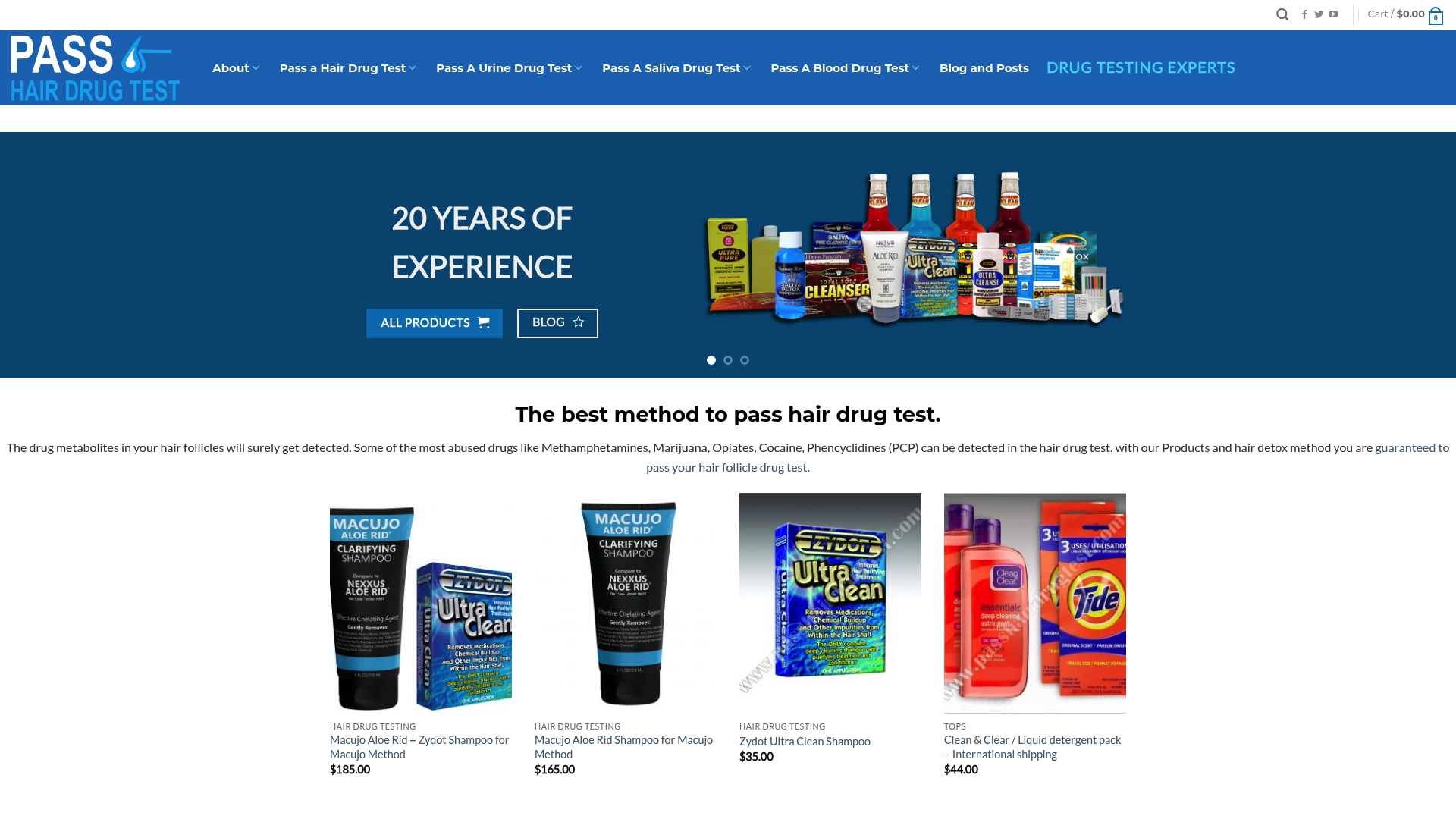
If your bottle is old, undated, or questionable, a fresh sealed one saves you doubt. We offer hair detox shampoos, multi-step instructions, and support, with no promise of guaranteed results.
- Read our how to pass a hair drug test guide for product use and timing
- Browse our products page to order and ask lot-specific questions
- Contact our support team if timing or lot verification is uncertain, or order a fresh product so you are not working against the clock
FAQ
Does detox shampoo expire?
Yes, but there is no universal expiration period. Follow the date printed on the bottle, or ask the manufacturer for lot-specific guidance, as FDA explains.
How long is detox shampoo good for after opening?
It depends on the product, and opened bottles carry more contamination risk than sealed ones. If no date is printed, note the day you opened it and check smell, color, and texture before every use.
Can expired detox shampoo be harmful?
Deteriorated products can change in ways that may irritate skin or scalp, especially after improper storage. If a bottle smells off, looks separated, or has a broken seal, replace it.
Does an in-date bottle guarantee a passed hair test?
No. Lab research found inconsistent effects across detox shampoos, so a valid date confirms the bottle’s condition, not your test result.
Sources
- Shelf Life and Expiration Dating of Cosmetics | FDA
- Detox shampoos for EtG and FAEE in hair – Results from in vitro experiments – PubMed
- Drug Metabolites and Hair Testing
Recommended
- Detox vs Clarifying Shampoo for Hair Drug Test Prep
- How to Use Detox Shampoo for a Hair Drug Test
- Best Hair Detox Shampoo for Hair Follicle Drug Tests
- How to pass hair drug test
