Uncategorized
Start Three Weeks Out: Evidence Backed Hair Sample Collection Protocol
Sep
No home method reliably guarantees a negative result on a hair follicle test, and anyone telling you otherwise is selling a shortcut that lab chemistry doesn’t support. The most defensible approach layers evidence-backed decontamination steps against UNODC guidance, confirms results only hold up against LC-MS/MS testing, and pairs that with products like those from Passhairdrugtest, applied on a real schedule, not a last-minute scramble.
TL;DR:
- Bleaching, dyeing, and chemical treatments can cause inconsistent effects on drug analyte levels, depending on the substance and hair condition.
- Decontamination routines should be started three or more weeks before testing and involve repeated, properly timed washing protocols using specific products.
- Commercial detox shampoos are unreliable on their own, as their effectiveness varies by drug class and they require multiple applications within a structured routine.
- Last-minute practices like shaving or hiding hair are often ineffective because collectors can substitute body hair for scalp samples, and refusal to provide a sample is treated as a positive result.
- Testing laboratories analyze wash solutions and metabolites to distinguish genuine drug incorporation from external contamination or surface tampering.
Table of Contents
Table of Contents
- How Hair Sample Collection Testing Actually Works in the Lab
- Why Bleach, Dye, and Damaged Hair Change What Tests Find
- What To Do in the Weeks Before a Hair Follicle Test
- What Detox Shampoos Realistically Do to Hair
- Day-of-Testing Checklist: Timing and Disclosure
- Why This Guide Leans on Realism Over Promises
- Products That Support This Protocol
- Sources
How Hair Sample Collection Testing Actually Works in the Lab
Every hair follicle drug test runs through two stages, and understanding both explains why manipulating a sample is harder than internet forums suggest. Labs start with an immunoassay screen, usually ELISA, which flags samples that likely contain a target drug class. Anything that screens positive moves to confirmatory testing, typically GC-MS or LC-MS/MS, methods sensitive enough to detect trace amounts and specific enough to identify the exact compound.
That second step matters because confirmatory testing looks for metabolites, not just the parent drug. Metabolites form when the body actually processes a substance, so their presence is what separates true use from surface contamination. A sample that shows only parent compound with no metabolite trace raises red flags rather than clearing someone.
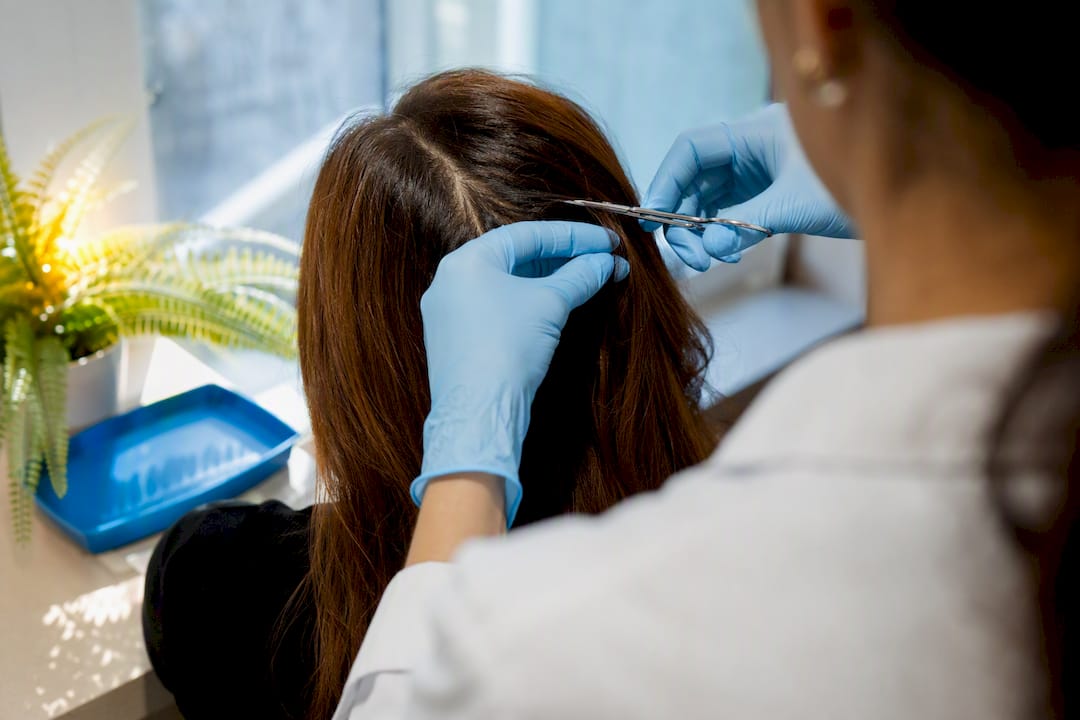
Labs also treat the hair sample collection process itself as evidence. Before testing, technicians run decontamination washes, and per UNODC protocol, they may analyze the leftover wash solution separately from the hair itself. If a wash solution pulls out unusually high drug concentrations relative to what’s left in the shaft, that’s a signal of external contamination or an attempted cleanse, not casual exposure.
- Screening immunoassays catch broad drug classes quickly and cheaply.
- Confirmatory GC-MS or LC-MS/MS testing verifies the exact compound and quantity.
- Wash solution analysis helps labs separate genuine incorporation from surface tampering.
Why Bleach, Dye, and Damaged Hair Change What Tests Find
Cosmetic chemistry and drug chemistry collide in ways that are far less predictable than most detox guides admit. Recent toxicology reviews looking at bleaching, dyeing, and chemical straightening found effects that depend heavily on which drug is being tested for, not a blanket “bleach removes everything” rule. Some analytes drop sharply after bleaching. Others hold steady or even show unusual shifts, according to a 2026 toxicology review on cosmetic treatment effects.
Hair porosity plays a bigger role than color choice alone. Damaged, over-processed hair may have a more open cuticle structure, which can influence drug and cleansing agent movement. Virgin, healthy hair holds onto embedded compounds more tightly, meaning the same cleansing routine can produce different results on different heads.
- Bleaching tends to lower concentrations of some analytes, but not consistently across all drug classes.
- Damaged or porous hair allows deeper penetration of both drugs and wash agents.
- Freshly grown hair near the scalp reflects the most recent 2 to 3 weeks of exposure, since drugs typically take that long to show up in the shaft after ingestion, per research on detectability in hair.
Variability is the headline finding, not a guaranteed reduction. Toxicologists reviewing manipulation cases describe the evidence as inconsistent enough that no lab or defense expert treats bleaching as a reliable way to beat a test, a point echoed in a 2023 review of hair toxicology manipulation issues. Anyone considering bleaching hair before a drug test should treat it as one variable among several, not a solution on its own.
What To Do in the Weeks Before a Hair Follicle Test
A real prep protocol works in stages, not a single frantic wash the night before. Trying to compress weeks of preparation into 48 hours is the single most common mistake people make, and it’s also the easiest one to fix if you start early.
Three or more weeks out:
- Avoid introducing new chemical treatments, bleach, keratin straightening, or perms, since their effects on drug concentration are inconsistent and can complicate results either direction.
- Start a repeat decontamination cycle rather than waiting, since single washes rarely accomplish much against embedded compounds.
- Choose a product line built for multi-step use, like Macujo Aloe Rid Shampoo, and read the full instructions before starting so you understand the sequence rather than improvising it.
One to two weeks out:
- Repeat the decontamination wash on a consistent schedule, following product directions exactly rather than doubling up out of impatience.
- Track how your scalp and hair respond. Redness, dryness, or breakage means you’re overdoing the cycle, not undergoing it.
- Keep documentation of any cosmetic treatment done in the past 90 days, including product names, since that history matters if you need to explain unusual test results later.
Final 48 hours:
- Follow the last-wash timing on your product’s instructions rather than guessing. Most multi-step methods, including Mike’s Macujo Method, specify a final wash window for a reason.
- Avoid last-minute chemical treatments or intense heat styling, both of which can alter hair structure right before collection.
- Do not shave your head or attempt to avoid providing a sample. Collectors are trained to use body hair as a substitute when scalp hair is unavailable, per clinical overviews of hair follicle testing procedures.
The underlying logic mirrors UNODC laboratory decontamination guidance: an organic solvent step to loosen surface residue, followed by repeated aqueous detergent washes to lift what solvent alone won’t remove. Commercial kits adapt that logic into a home-safe sequence, but the sequence only works if you run it enough times, not once.
Pro Tip: Stop the cycle immediately if your scalp starts stinging, flaking, or itching between washes. Aggressive daily use of strong surfactant shampoos can damage the scalp barrier faster than it clears anything from the hair shaft, and irritated skin makes an already stressful week worse.
What Detox Shampoos Realistically Do to Hair
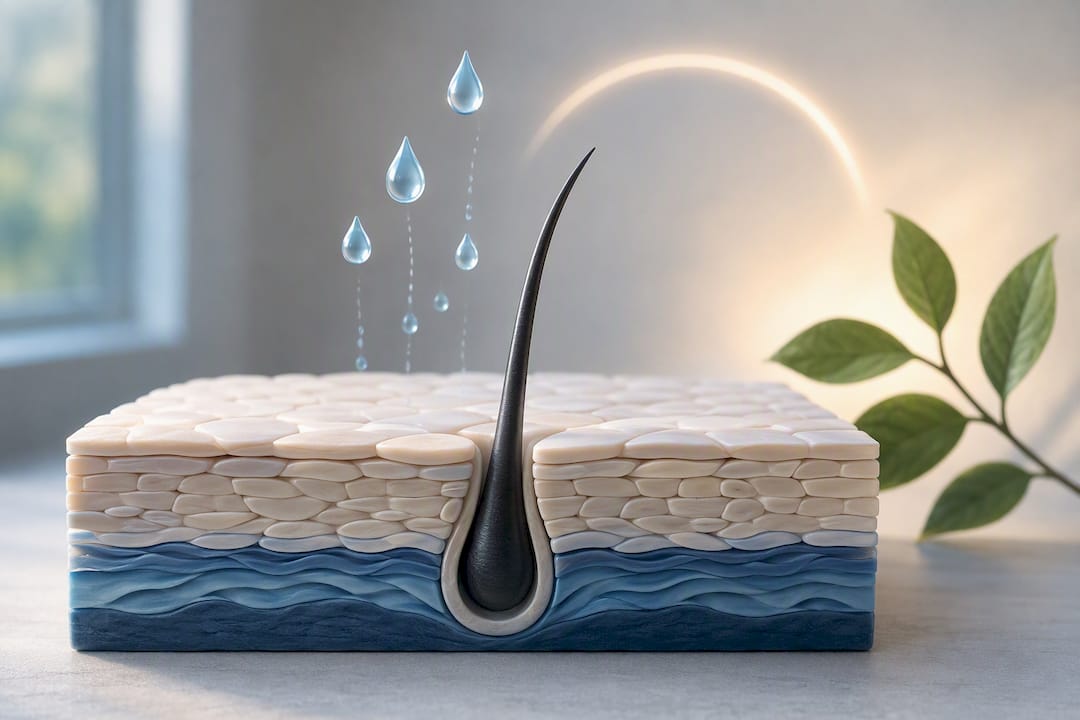
Detox and cleansing shampoos work through surfactant and mild solvent action that loosens residue sitting in and around the hair cuticle. Some formulas also target keratin, the protein structure that binds compounds inside the shaft, temporarily altering how tightly it holds onto embedded material during the wash window.
That’s a mechanism, not a guarantee. Toxicology reviews looking specifically at commercial cleansing products describe the evidence as inconsistent and dependent on which drug you’re testing for, with no standardized method proven to reliably defeat lab testing across the board, according to the 2023 hair toxicology manipulation review. Labs are also aware these products exist, which is part of why wash-solution analysis is a standard countermeasure.
- Surfactants and mild solvents loosen surface and near-surface residue, not necessarily material deep in the shaft.
- Effects vary by analyte, meaning a product that performs well against one substance may do less against another.
- Single-use claims don’t hold up; products designed for multi-step protocols require repeat cycles to have a meaningful chance of working as intended.
Follow the manufacturer’s instructions to the letter rather than modifying timing or frequency based on forum advice, and treat any product as one part of a broader routine rather than a standalone fix.
Day-of-Testing Checklist: Timing and Disclosure
What you do in the final hours before your appointment matters almost as much as the weeks of prep leading up to it.
- Stop washing on the schedule your product instructions specify. Washing right before you walk in the door can actually leave hair looking freshly stripped, which draws more scrutiny, not less.
- Skip heavy styling products, oils, or anything that leaves visible residue on the day of collection.
- Disclose any recent bleaching, dyeing, or chemical straightening to the collector if asked, and keep product names or receipts handy since documented cosmetic history can matter during interpretation.
- Never attempt sample substitution or shave your head to avoid providing hair; collectors routinely pull from arm or leg hair when scalp hair is too short or unavailable, and a refusal to provide any sample is typically treated the same as a positive result.
Why This Guide Leans on Realism Over Promises
Passhairdrugtest has spent more than 20 years in the drug testing and detox product space, and that experience shapes a hard lesson: the guides that promise a guaranteed pass are the ones that get people in trouble. This protocol leans on lab-grade decontamination logic and honest limits, not wishful thinking, because readers facing a real test deserve steps grounded in how testing actually works rather than what sounds reassuring at midnight before an appointment.
— MIchael
Products That Support This Protocol
Passhairdrugtest built its product line directly around the steps described above, not around vague promises. If you’re working through a multi-step decontamination routine, the Hair Follicle Shampoo Kit bundles the core products used in Mike’s Macujo Method, including Macujo Aloe Rid Shampoo for the initial decontamination cycle.
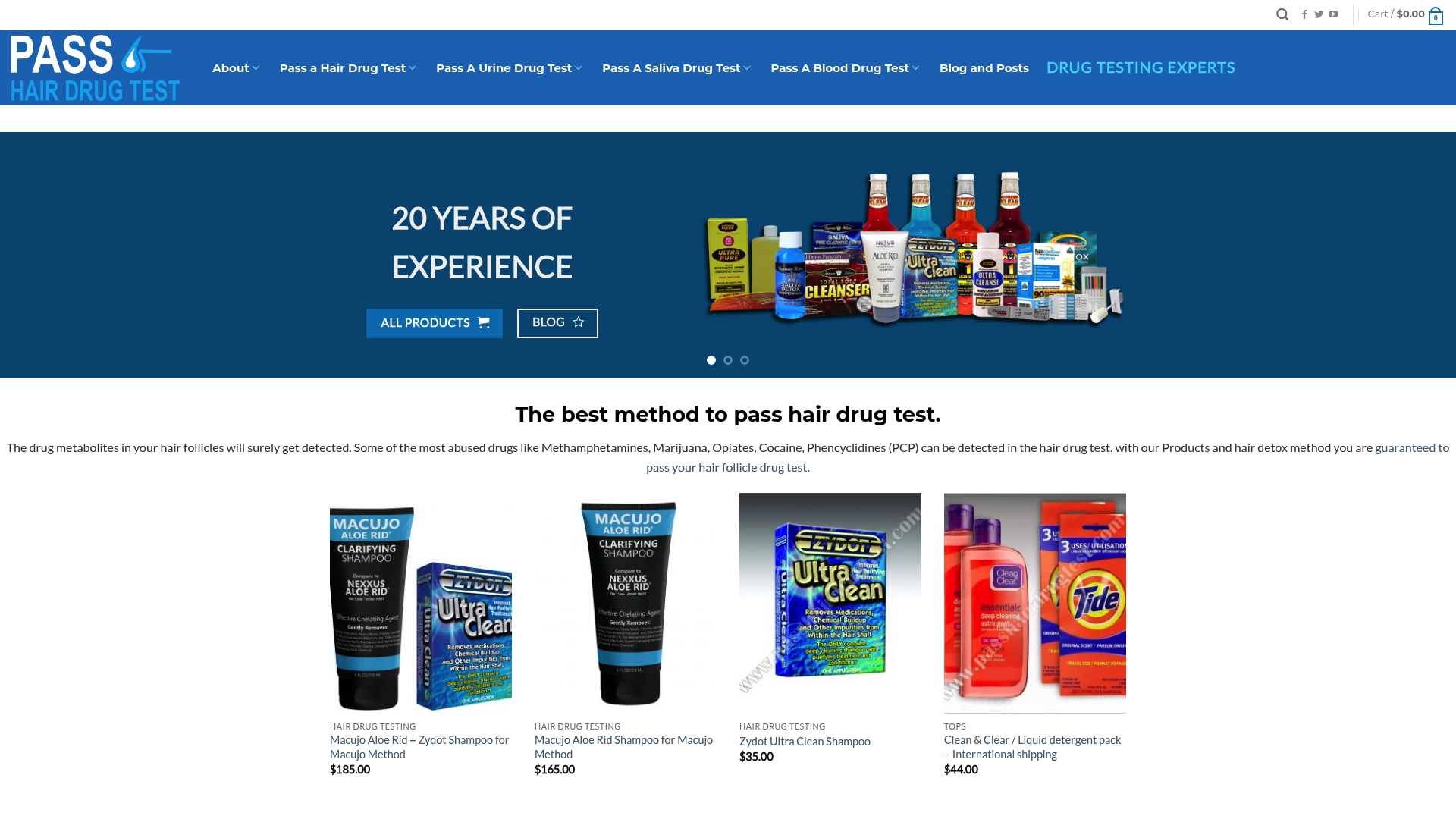
For the final wash before your test, the Zydot Ultra Clean shampoo is formulated as a same-day product with published step-by-step instructions so you’re not guessing at timing. None of these products come with a guarantee. What they offer is a documented, repeatable process built on the same decontamination logic labs themselves use, rather than a single mystery wash sold on hope.
If you’re still deciding which route fits your timeline and hair type, the best hair detox shampoo guide breaks down which kit matches which situation, and it’s the right place to start before you check out.
Sources
- Hair follicle drug test: How it works, what to expect, and accuracy
- Guidelines for testing drugs under international control in hair, sweat and oral fluid—MANUAL FOR USE BY NATIONAL DRUG ANALYSIS LABORATORIES
Recommended
- African American Hair Drug Test: A Practical Prep Plan
- How to Prepare for a Hair Test the Right Way
- The Science Behind the Hair Drug Test
- Home Hair Detox: Realistic Protocol and Verification Guide
