No products in the cart.

Uncategorized
Why the 5–14 Day Lag Makes Hair Tests Miss One Time Use

18
Sep
Sep
Sometimes, but often not. A single use is only likely to show up on a hair follicle test if the dose was high enough, enough time passed for the hair to grow out past the scalp, and the lab’s method was sensitive enough to catch it. Scalp hair typically doesn’t show a detectable metabolite until roughly 5 to 14 days after use, and individual biology adds a lot of unpredictability on top of that.
TL;DR:
- A single-use drug may register on hair tests if the dose was high enough and enough time has passed for the hair to grow out past the scalp.
- Detection likelihood depends heavily on hair color, texture, chemical treatments, and the route of incorporation, with darker hair binding drugs more readily.
- Standard hair testing reports cumulative results over about three months, making precise timing of a single use difficult without segmental analysis.
- Hair testing is unreliable for recent use within the last five to fourteen days, with urine or saliva tests offering more accurate detection for that window.
- Cosmetic treatments like bleaching and dyeing can reduce detectable drug residues, and confirmatory testing helps differentiate true ingestion from external contamination.
Table of Contents
Table of Contents
- How Does Hair Follicle Testing Actually Work?
- Can One-Time Use Really Show Up on a Hair Test?
- When Does a Single Use Actually Appear in Hair?
- Should You Ask for Urine or Saliva Instead of Hair?
- What Throws Off Hair Test Accuracy?
- What This Means If You’re Facing a Hair Test
- Hair Cleansing Options Worth Understanding Before Your Test
- Sources
- FAQ
How Does Hair Follicle Testing Actually Work?
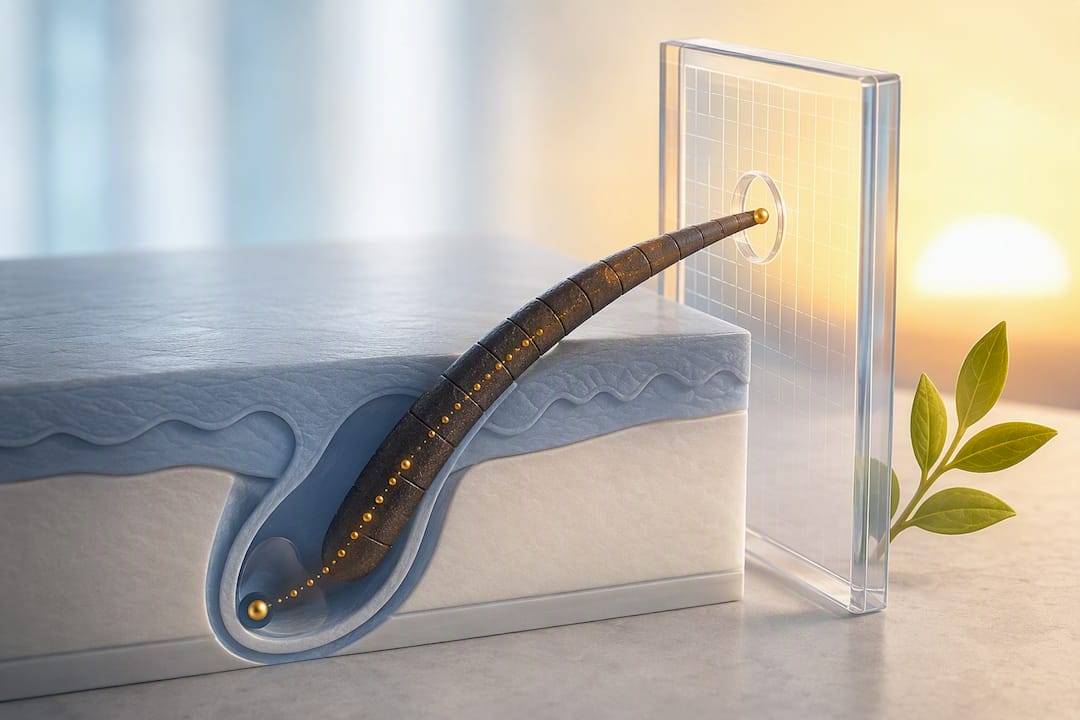
Drugs and their metabolites get into hair mainly through blood flowing to the follicle, though sweat and sebum (skin oil) contribute too. That matters because it means a single exposure has to survive the trip from bloodstream to follicle before it becomes part of the strand itself. External contamination, like secondhand smoke settling onto hair, is also possible, which is one reason labs run wash steps before testing.
Once hair grows, it becomes a timeline you can measure. Roughly 1 centimeter of scalp hair growth equals about one month, so a standard 1.5 inch sample captures approximately three months of history, according to lab reference documentation from ARUP Laboratories.
Commercial labs follow a two step process:
- A screening immunoassay flags samples that might contain drug metabolites.
- Any positive screen goes to confirmatory testing using GC/MS or LC–MS/MS, the gold standard for identifying the exact substance.
Here’s the part most people miss: standard commercial testing reports a cumulative result for the whole segment, not a day-by-day breakdown. A 90-day sample gets treated as one block of time. Hair functions as a cumulative matrix rather than a precise calendar, which is why pinpointing an exact date of use from a standard test is nearly impossible.
Segmental and micro-segmental analysis can slice that same sample into weekly or even smaller chunks, giving much finer timing resolution. But this method requires specialized equipment and interpretation, so most employers and clinics never order it for routine testing.
Can One-Time Use Really Show Up on a Hair Test?
It can, but the odds depend heavily on dose. This is where the evidence gets genuinely interesting, because researchers have actually tried to define the line between “used once” and “detectable.”
One dosing study found single-use cocaine could register above detection thresholds above a certain milligram range under controlled conditions — according to research using isotopically labeled doses to track exactly how much drug entered the hair. That’s a useful number, but it comes with a major asterisk: it was measured with highly sensitive research-grade methods, not necessarily the exact cutoffs a routine commercial lab applies.
That distinction, research threshold versus commercial cutoff, explains a lot of the confusion online. A lab studying incorporation mechanisms might detect trace amounts that a workplace screening panel is calibrated to ignore, because workplace panels are built to catch patterns of use, not isolated incidental exposure.
Three factors swing the odds significantly from person to person:
- Hair color and melanin content: darker, more pigmented hair tends to bind certain drugs more readily than lighter hair, sometimes by a wide margin.
- Hair texture and treatment history: coarser or chemically treated hair can behave differently than fine, untreated hair.
- Incorporation route: someone whose exposure came partly through sweat or environmental contact versus pure ingestion may show different concentrations even at the same nominal dose.
The practical takeaway is straightforward: a single high-dose event has a real chance of registering, especially with a sensitive lab. A single low-dose event, one drink’s worth of exposure or a shared marijuana cigarette at a party, often falls below what a standard commercial cutoff is built to flag. Neither outcome is guaranteed. Forensic timing research notes that most routine labs are simply not built to catch isolated, low-level exposure with certainty, which is a very different claim than saying they never can.
When Does a Single Use Actually Appear in Hair?
Timing is where a lot of people get tripped up, because hair testing does not work like urine or saliva testing where the window is measured in hours.
- Days 0 to 5: the hair follicle beneath the scalp may already carry the substance, but that hair hasn’t grown out to a sampleable length yet. A test right after use will almost always miss it.
- Days 5 to 14: this is the typical window where metabolites start becoming detectable in hair that has grown above the scalp surface, according to micro-segmental research tracking a single dose over time.
- Beyond two weeks: the exposure is now part of the visible, sampleable hair shaft and stays there until the hair is cut or grows out past the tested length (about three months for a standard 1.5 inch sample).
Interestingly, some micro-segmental studies have found detectable drug in the segment closest to the scalp within 24 hours under experimental conditions. That sounds like it contradicts the 5 to 14 day rule, but it doesn’t. It reflects lab capability, not what a standard commercial test will report. Vertex posterior scalp hair (the crown area toward the back of the head) tends to give the most consistent, reliable timing estimates, while hair from other regions shows more variability in growth rate and incorporation.
If you’re trying to reconstruct exactly when a single use happened, standard whole-sample testing won’t give you that precision. Only segmental analysis, ordered specifically and interpreted by someone trained in it, gets you closer, and few standard panels include it.
Should You Ask for Urine or Saliva Instead of Hair?
If the use in question happened in the last few days, hair is probably the wrong test entirely. Detection windows vary a lot by matrix, and matching the right one to your timeline matters more than most people realize.
- Saliva: detects use from the past few hours up to a day or two, making it the best option for proving very recent exposure.
- Urine: typically detects use from the past several days, depending on the substance and frequency of use.
- Hair: detects use from roughly two weeks out to several months back, but essentially blind to anything in the last five to fourteen days.
Experts generally recommend urine or saliva testing specifically when the suspected use falls within that recent window, since those matrices are simply built for short-term detection in a way hair is not.
Context matters here too. A pre-employment screening usually cares about a longer look-back period, which is exactly why employers often choose hair. A custody dispute or a workplace incident investigation, on the other hand, may hinge on proving something happened within days, where saliva testing or a hair versus urine comparison becomes far more relevant than a hair panel.
What Throws Off Hair Test Accuracy?
Cosmetic treatments change how much drug residue actually stays measurable in the strand. Bleaching is the most aggressive, often stripping a meaningful portion of incorporated drug from the hair shaft. Dyeing, perming, and chemical straightening all have similar, if generally milder, effects. None of these treatments reliably eliminates detection, but they can reduce concentrations enough to shift a result near the cutoff.
Labs also have to separate two very different scenarios: drug that got into the hair through the bloodstream (ingestion) versus drug that simply landed on the hair’s surface (external contamination, like being in a room full of smoke). Wash procedures, described in the controlled dosing research on hair incorporation, help strip surface contamination before testing. Beyond washing, confirmatory testing that identifies actual metabolites, rather than just the parent drug, gives much stronger evidence of ingestion rather than passive exposure.
Here’s what a typical result actually means:
- A negative result means no detectable metabolite above the lab’s cutoff, not proof that zero exposure ever occurred.
- A positive result on a confirmatory GC/MS or LC–MS/MS test carries far more weight than a positive on the initial screening immunoassay alone, since confirmation rules out most false positives.
- Turnaround time for standard panels generally runs a few business days once the sample reaches the lab, though this varies by provider and whether reflex confirmatory testing is triggered.
Pro Tip: If you’re comparing lab reports, always check whether the result reflects an initial screen or a confirmed GC/MS or LC–MS/MS positive. Those are two very different levels of certainty, and reputable labs will label which stage produced the number.
Commercial labs and industry guidance generally agree that hair testing is far more reliable for catching repeated or chronic use than a single isolated exposure. A negative hair result doesn’t rule out one-time use. It simply means the sample didn’t clear that lab’s particular bar.
What This Means If You’re Facing a Hair Test
If you used once and have a hair test coming up, the honest checklist looks like this: figure out roughly how many days have passed, understand that anything under five to fourteen days likely won’t register in scalp hair yet, and recognize that dose and hair type both swing the odds in ways you can’t fully control after the fact.
If the timeline points to recent use, ask whether urine or saliva testing is an option instead, since those matrices are built for exactly that window. Some companies in the drug testing and detox product space claim decades of experience, which can shape the style of guides toward realistic expectations rather than false certainty.
— MIchael
Hair Cleansing Options Worth Understanding Before Your Test
Some providers in the hair drug test preparation market emphasize the multi-step Macujo Method, paired with products such as Macujo Aloe Rid Shampoo and Zydot Ultra Clean Shampoo. Unlike generic detox shampoos that promise a quick rinse fix, this approach targets the hair shaft directly with a structured, multi-step routine designed for both light and infrequent users.
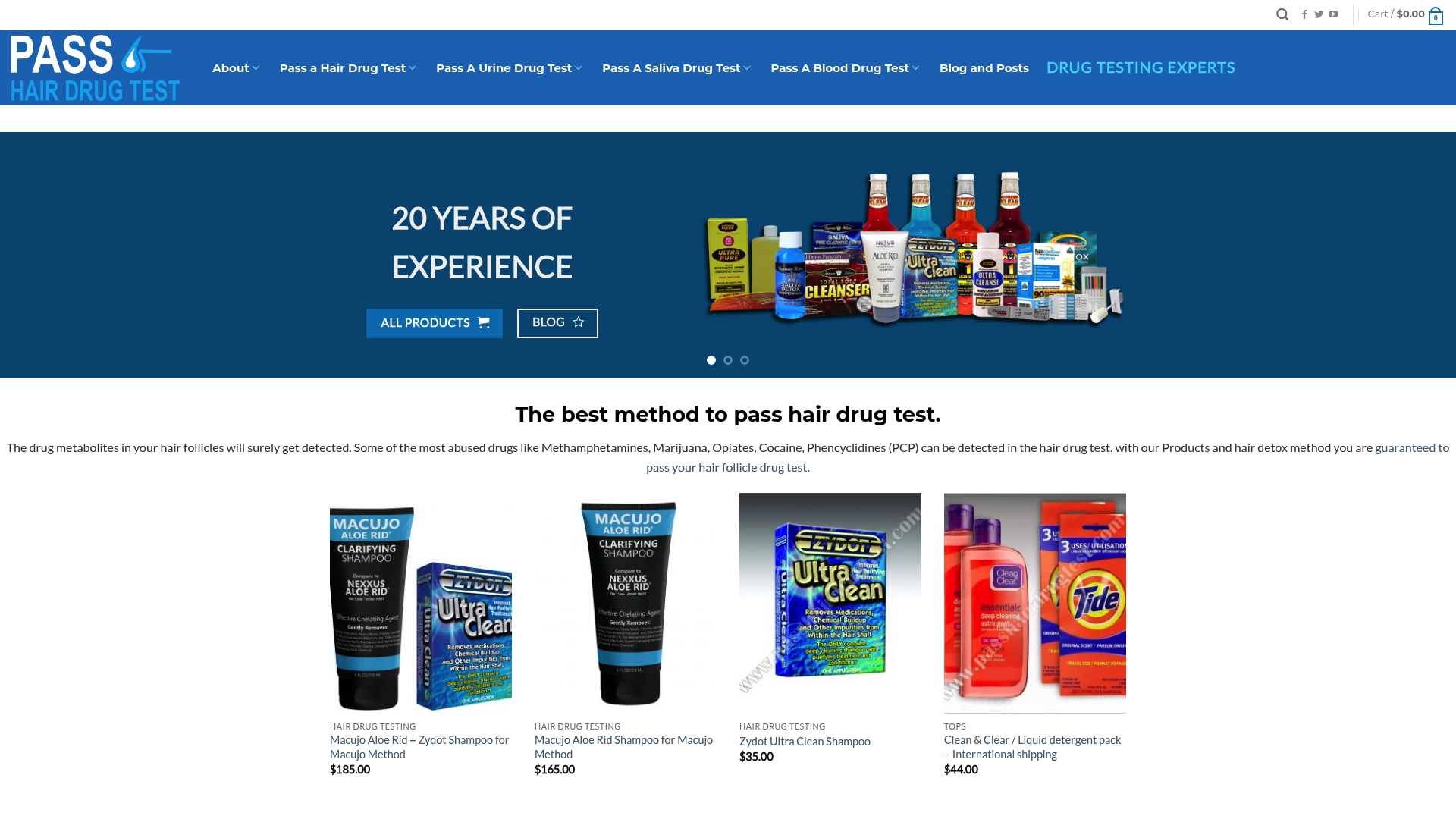
Once you understand your testing timeline, the next decision is whether hair cleansing products make sense for your situation. The full product catalog covers hair, urine, saliva, and blood testing options, so you can compare approaches based on what your actual test date looks like. If you want the specifics on the shampoo and kit combination behind the Macujo Method, the hair cleansing shampoo page walks through what’s included and how the steps work together. No product replaces understanding your timeline first, but if you’ve done that math and want options, that’s where to start.
Sources
- Controlled dosing and hair analysis study (OJP PDF)
- Hair as a cumulative matrix for drug testing (PMC5771043)
- Hairstat 5 Reflexive Panel | ARUP Laboratories Test Directory
FAQ
Can You Pass a Hair Test After Using Once?
It’s possible, especially if the dose was low and enough time hasn’t passed for the hair to grow out. Controlled dosing research shows detection depends heavily on dose thresholds and individual incorporation rates, so there is no guaranteed outcome either way.
Can an Infrequent User Fail a Hair Follicle Test?
Yes, particularly if the single use involved a higher dose or occurred more than two weeks before the sample was collected. Labs and industry sources note that hair testing catches chronic use more reliably than isolated exposure, but a one-time high dose still carries real risk of detection.
How Do You Know If a Hair Follicle Is Alive?
Live hair follicles are anchored in the scalp and connected to a blood supply, which is exactly how drug metabolites get incorporated into the strand. Hair testing relies on this connection, since drugs enter primarily through blood flow at the follicle rather than through the visible hair shaft itself.
What Can Throw Off a Hair Follicle Drug Test?
Bleaching, dyeing, perming, and chemical straightening can all reduce the concentration of drug residue in hair, sometimes enough to affect results near a cutoff. Wash procedures and confirmatory GC/MS or LC–MS/MS testing help labs separate genuine ingestion from surface contamination.
Is Urine or Saliva Better Than Hair for Recent Use?
Yes, if the use happened within the past few days. Saliva and urine testing are built for short detection windows measured in hours to days, while hair typically can’t detect anything from the past 5 to 14 days.
Recommended
- 90 Day Window Explained: Opioid Hair Detection Time and the 5–10 Day Lag
- Why ‘Up to 90 Days’ Misleads in MDMA Hair Testing
- 90 Day Risk: Can an Occasional Smoker Fail a Hair Test?
- Hair Drug Test vs Urine: Which Detects Use When
