No products in the cart.
Uncategorized
24–48 Hour Rule: Prep for a Child Custody Hair Drug Test in the U.S.
29
Aug
Aug
Same-day shampoos can strip surface residues from hair, but they can’t reliably erase metabolites that have already bonded into the hair shaft from repeated use. If a custody hair drug test is imminent, your best move is a disciplined, correctly timed final cleanse combined with strict recontamination control, not a last-minute miracle bottle. Document everything about the collection, and if you need a ready-made protocol, PassHairDrugTest.com sells U.S.-based kits built around exactly this approach.
TL;DR:
- Surface-only cleansers can temporarily reduce surface residue but are ineffective against metabolites embedded in the hair shaft from repeated drug use.
- Chemically aggressive detox methods may cause scalp damage and increase suspicion if visible hair or scalp damage is observed during collection.
- Proper collection, chain-of-custody documentation, and understanding lab testing protocols are crucial to ensure results are legally defensible in custody disputes.
- Testing labs that follow strict protocols and use LC-MS/MS confirmation provide results that are more reliable and harder to challenge legally.
- Disclosing prescriptions and recent chemical treatments beforehand helps prevent misinterpretation of hair drug test results in custody cases.
Table of Contents
Table of Contents
- How Does a Child Custody Hair Drug Test Work?
- What Can Hair Detox Shampoos and Regimens Realistically Remove?
- Step-by-Step Protocol Before a Hair Follicle Collection
- Preventing Recontamination Before Your Test
- Risks of Aggressive Chemical Detox Methods
- What Happens After Hair Sample Collection?
- Why You Need a Lawyer Before and After the Test
- Can a Hair Test Be Wrong in a Custody Case?
- How Reliable Are Hair Drug Test Labs?
- Disclosing Medical Treatments and Prescriptions Before Testing
- A Publisher’s Perspective After Two Decades in This Industry
- Ready-Made Kits That Match This Protocol
- Sources
How Does a Child Custody Hair Drug Test Work?
Drugs and their metabolites enter hair through the bloodstream, sweat, and sebum, which is why a hair follicle test can reveal patterns of use that a urine test misses entirely. Once a chemical compound gets locked into the hair shaft, it stays there as the hair grows, creating a rough timeline of what was in someone’s system. Labs don’t just look for the parent drug. They target specific metabolites, since finding a metabolite (rather than just the parent compound) is one way toxicologists try to rule out simple surface contact versus actual ingestion, an approach described in SAMHSA’s guidance on drug metabolites and hair testing.
A standard scalp sample length is often used to approximate the most recent several months of hair growth, though the exact window depends on hair growth rate and how the lab segments the sample. Courts in custody cases often request segmental analysis, cutting the hair into sections to build a month-by-month picture rather than one blended average.
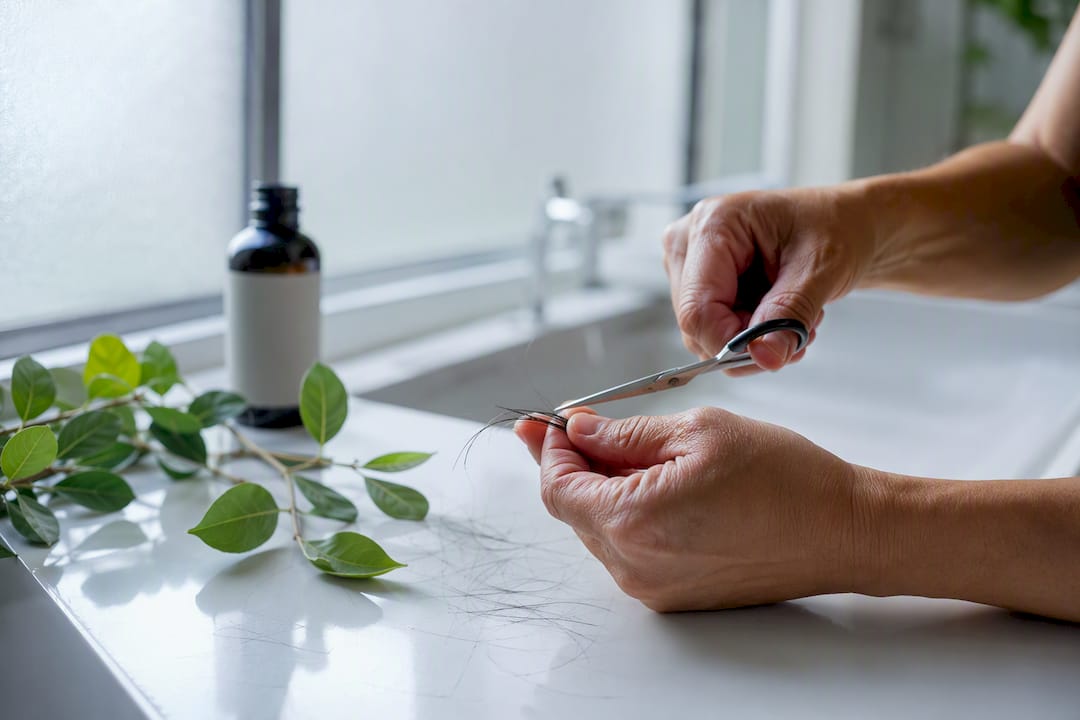
Collection procedure matters more than most people realize:
- Collectors typically take hair from the posterior vertex, the back-center area of the scalp, because growth rate there is most consistent.
- Labs need a minimum sample size, usually a pencil-width bundle, to run both a screening test and a confirmation test.
- Chain-of-custody documentation, sealed and signed at every handoff, is what makes a result usable as evidence in a family court proceeding.
Sloppy collection or a broken chain-of-custody record is one of the more common grounds for challenging a result later.
What Can Hair Detox Shampoos and Regimens Realistically Remove?
Not everything, and understanding the ceiling here matters more than any product’s marketing claims. NIJ-funded research into phase II metabolite detection found that measuring these conjugated metabolites helps distinguish genuine drug use from simple environmental exposure, which is exactly the ambiguity that makes hair testing controversial in custody disputes. Confirmation labs typically rely on LC-MS/MS chromatography, a method sensitive enough to separate a metabolite that proves ingestion from a compound that merely landed on the hair’s surface.
That distinction is also why cleansing methods split into two very different categories:
- Same-day cosmetic kits (three-step shampoo, purifier, conditioner systems like Zydot Ultra Clean) are built to strip loosely bound oils and surface residue, giving you a narrow window, often described as effective for about a day, before scalp oil naturally reaccumulates.
- Prolonged, multi-day regimens, the Macujo method and Aloe Rid-based protocols among them, use repeated acidic and detergent washes over one to two weeks to work deeper into the shaft, targeting residues that a single wash can’t touch.
Several factors change your odds regardless of which route you pick:
- Frequency of use. Someone who used once weeks ago carries a much lighter metabolite load than daily users.
- Hair porosity and color. Darker, coarser hair binds more melanin-associated compounds, and damaged or porous hair often absorbs (and releases) chemicals differently than healthy hair.
- Hair length. Longer hair means more history is stored, and more surface area to treat.
- Timing since last use. More time between use and collection generally means less freshly deposited residue to compete with.
Pro Tip: If you can find out which lab is running the test, ask your attorney whether metabolite-specific testing is part of the protocol. It changes how much a surface cleanse alone can help.
None of this is guesswork you can eyeball. It’s the difference between a shampoo doing its actual job and a shampoo doing nothing but making your hair smell nice for a court date.
Step-by-Step Protocol Before a Hair Follicle Collection
Rushed execution, not the products themselves, is the most common reason a cleanse falls short. Here’s the sequence that gives a disciplined attempt the best realistic shot.
Before you start:
- Avoid smoky environments, secondhand exposure, and any new use for at least 24 to 48 hours before your final wash.
- Buy a new comb or brush and swap your pillowcase for a freshly laundered one.
- Set aside a full block of uninterrupted time. Do not rush contact times.
The wash sequence:
- Wet hair with lukewarm or cool water. Hot water opens the cuticle and can push scalp oil back in faster, which works against you.
- Apply the detox or purifier product and leave it on the scalp for the exact contact time listed on the product instructions. Set a timer.
- Rinse thoroughly, then follow with the paired clarifying shampoo, working it into the scalp, not just the ends.
- Finish with the kit’s conditioner if included, then dry with a clean towel used for nothing else that day.
Pacing and safety:
Do a small patch test on skin 24 hours ahead of any product you haven’t used before. Never repeat aggressive chemical steps back to back in the same day chasing a “stronger” result. If your scalp develops redness, burning, or swelling, stop immediately and consult a doctor rather than pushing through.
Preventing Recontamination Before Your Test
A perfect wash can be undone in an hour by a dirty pillowcase. Hair sitting against fabric, upholstery, or an old comb picks up residue right back off surfaces it touched before, which is why timing your last exposure matters almost as much as the wash itself.
Watch these vectors closely:
- Pillowcases and bedding. Wash in hot water or swap for unused linens the night before.
- Hats, hoodies, and headphones. Anything that presses against the scalp regularly deserves a wash or a temporary swap.
- Car headrests and glasses. Wipe down with a clean cloth if you can’t avoid contact.
- Old brushes and combs. Retire them. A contaminated comb can undo a clean wash in seconds.
Your 24 hours before collection should follow one simple rule: touch your hair as little as possible, avoid sweating heavily, stay out of smoky rooms, and use only the new comb you set aside. If you sweat through a workout or a stressful day, that’s scalp oil working against your cleanse, not neutral.
Risks of Aggressive Chemical Detox Methods
Harsher regimens carry real physical downsides, and they’re worth weighing honestly before you commit to one. Repeated acidic washes and clarifying treatments can cause scalp irritation, dryness, flaking, and in some cases visible breakage or a change in hair texture.

There’s also a practical risk beyond comfort: a collector who notices unusual dryness, an odd chemical smell, or obvious hair damage may note it during collection. That kind of observation can become part of the chain-of-custody record and, in some cases, prompt closer scrutiny from the lab or the requesting party. In a custody proceeding, an observation like that can raise more questions than it answers.
A few practices lower the risk without abandoning the process:
- Space out aggressive treatments rather than stacking them in one sitting.
- Moisturize between chemical steps if a multi-day regimen calls for it.
- Stop and seek medical care for any burning, swelling, or open irritation on the scalp.
What Happens After Hair Sample Collection?
Initial results come from a screening test, an immunoassay built for speed, not certainty. Anything that screens positive moves to confirmatory testing, almost always LC-MS/MS, which is far more specific and is what actually holds up when a result gets challenged in family court, per the SoHT and UNODC guidance on hair testing procedures.
Turnaround typically runs anywhere from a few days to two weeks depending on the lab and whether confirmation testing is needed.
If a result comes back positive:
- Request the full chain-of-custody paperwork immediately.
- Ask whether the lab tested for specific metabolites or only parent compounds.
- Talk to your attorney about an independent retest or a second-lab confirmation before accepting the result as final.
Why You Need a Lawyer Before and After the Test
A hair follicle test in a custody case isn’t just a medical procedure. It’s evidence in a legal proceeding, and the rules around how that evidence gets used vary by state and even by judge. Before you agree to a test, or before you attempt any cleansing regimen, talk to a family law attorney about what the court order actually requires, what a refusal might imply, and what your state’s rules say about admissibility.
An attorney can also push back on a test that’s poorly specified. Some custody orders name a specific lab or method; others leave room for negotiation on timing, collection location, or even which substances get screened. A lawyer familiar with your jurisdiction’s family court can flag whether the requested test aligns with SoHT-style collection standards (posterior vertex sampling, documented chain-of-custody) or whether the process has gaps worth challenging.
If a result comes back positive and it affects custody or visitation, legal counsel is who negotiates next steps: a second opinion, a retest at an independent lab, or a hearing where the chain-of-custody paperwork gets examined line by line. Judges weigh a hair test result against a mountain of other custody factors, and an attorney is the one who can frame that context for the court.
None of this replaces medical or legal advice specific to your case. But going into a custody-related hair test without a lawyer already briefed on the order’s terms is one of the more avoidable mistakes people make in these proceedings.
Can a Hair Test Be Wrong in a Custody Case?
False positives and false negatives both happen, and in a custody dispute, either one can carry outsized consequences. A false positive often traces back to environmental contact, secondhand smoke exposure, or contact with a substance through touch rather than ingestion, which is precisely the ambiguity that phase II metabolite testing was designed to resolve. Hair treatments like bleaching or repeated dyeing can also alter how compounds bind to or release from the shaft, sometimes suppressing a result that would otherwise show use.
False negatives happen too, often from low frequency use, very light dosing, or a wash regimen that genuinely worked as intended. A single negative result doesn’t erase a documented pattern of past use elsewhere in the case file, and courts generally weigh a hair test as one data point among many rather than a standalone verdict.
If you’re disputing a result in a custody hearing, a few specific questions carry real weight:
- Did the lab test for metabolites specifically, or only parent compounds?
- Was the sample collected and stored following documented chain-of-custody procedure?
- Were any chemical hair treatments disclosed and factored into interpretation?
Raising these questions doesn’t guarantee a different outcome, but it puts pressure on the weakest points of a hair test’s reliability, which is exactly where challenges in family court tend to succeed or fail.
How Reliable Are Hair Drug Test Labs?
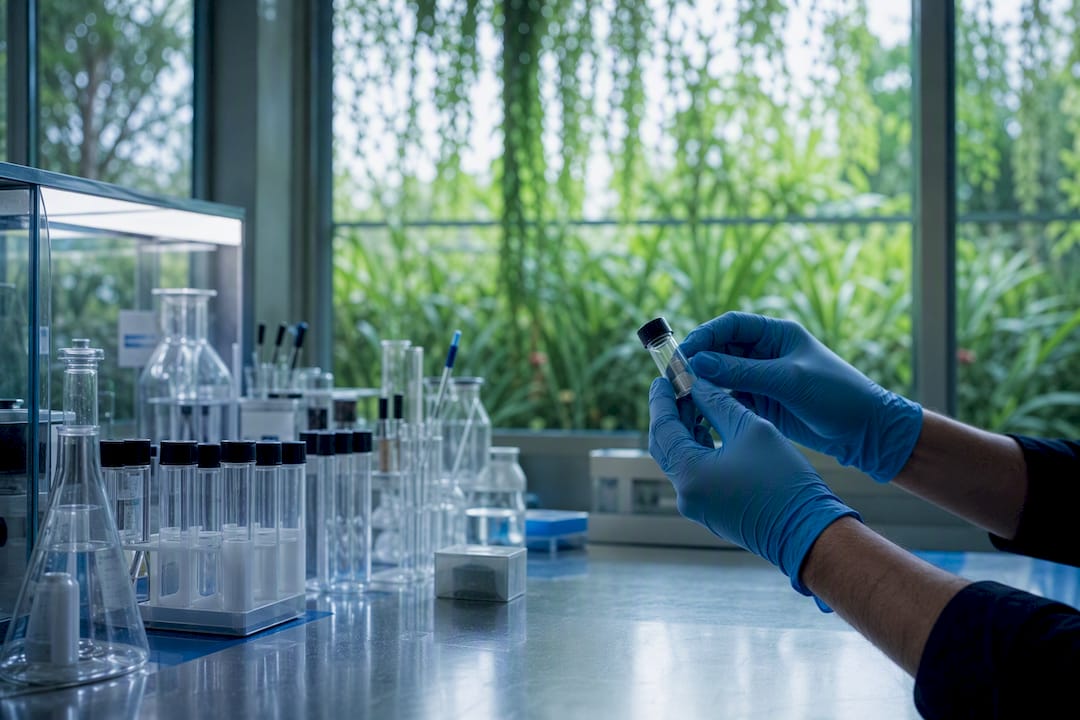
Not every lab running a hair follicle test operates at the same standard, and that gap matters a great deal in a custody proceeding where the result can influence a judge’s decision. Reputable labs follow structured protocols for collection, decontamination washing, and confirmation testing rather than relying on a single screening step.
Look for labs that document their process against recognized frameworks. Guidance from the Society of Hair Testing and UNODC outlines specific collection practices, including where on the scalp hair should be taken and how samples should be washed before analysis to reduce contamination noise. Labs that follow this kind of published methodology, and that use LC-MS/MS for confirmation rather than stopping at an initial screen, produce results that hold up far better under legal scrutiny.
If you’re facing a custody-related test, it’s reasonable to ask the requesting party or your attorney which lab is being used and whether that lab is accredited for forensic hair testing specifically, not just workplace urine screening. A lab with clear accreditation and a documented chain-of-custody process gives both sides less to argue about later, which, in a custody case, tends to work in everyone’s favor.
Disclosing Medical Treatments and Prescriptions Before Testing
Certain prescription medications and hair treatments can influence how a lab interprets a result, and disclosing them ahead of time is one of the simplest ways to avoid a messy dispute later. Some prescribed medications metabolize into compounds that overlap with tested substances, and a lab unaware of a legitimate prescription has no way to account for that on its own.
Chemical hair treatments matter too. Bleaching, relaxing, and repeated coloring can measurably change how compounds bind to the hair shaft, sometimes lowering detectable levels in ways that have nothing to do with recent behavior. If your hair has been treated recently, put that in writing before the test, not after a result comes back disputed.
Practical steps worth taking:
- Ask your doctor for a written note listing any prescriptions that could show up on a standard drug panel.
- Provide that documentation to the testing facility and your attorney before the sample is collected, not after.
- Keep a simple written record of recent chemical hair treatments, including dates, in case interpretation becomes an issue later.
Courts generally respond better to disclosure made proactively than to an explanation offered only after a positive result. It signals good faith, and it gives the lab something concrete to weigh against the raw numbers.
A Publisher’s Perspective After Two Decades in This Industry
Rushed contact times and recontamination are the two things that sink an otherwise sound cleanse, and they account for most of the failures Passhairdrugtest has seen over more than 20 years in this space. People skip the timer, use hot water because it feels more thorough, or grab an old hat on the way out the door, and any one of those mistakes can undo real progress.
Passhairdrugtest built its kits and protocol guides around removing that guesswork: exact contact times, a defined wash order, and clear instructions on what to avoid touching afterward. The method isn’t complicated, but it is unforgiving of shortcuts. Readers who treat the timing and the recontamination controls as seriously as the product itself get results that actually reflect the effort they put in.
— MIchael
Ready-Made Kits That Match This Protocol
If timing this yourself feels risky with a court date on the calendar, Passhairdrugtest built its kits specifically so you’re not guessing at contact times or product order. The Hair Follicle Shampoo Kit pairs the purifier, clarifying wash, and conditioner steps described earlier into one sequence, while the Zydot Ultra Clean shampoo works as a same-day option when collection is happening within hours rather than days.
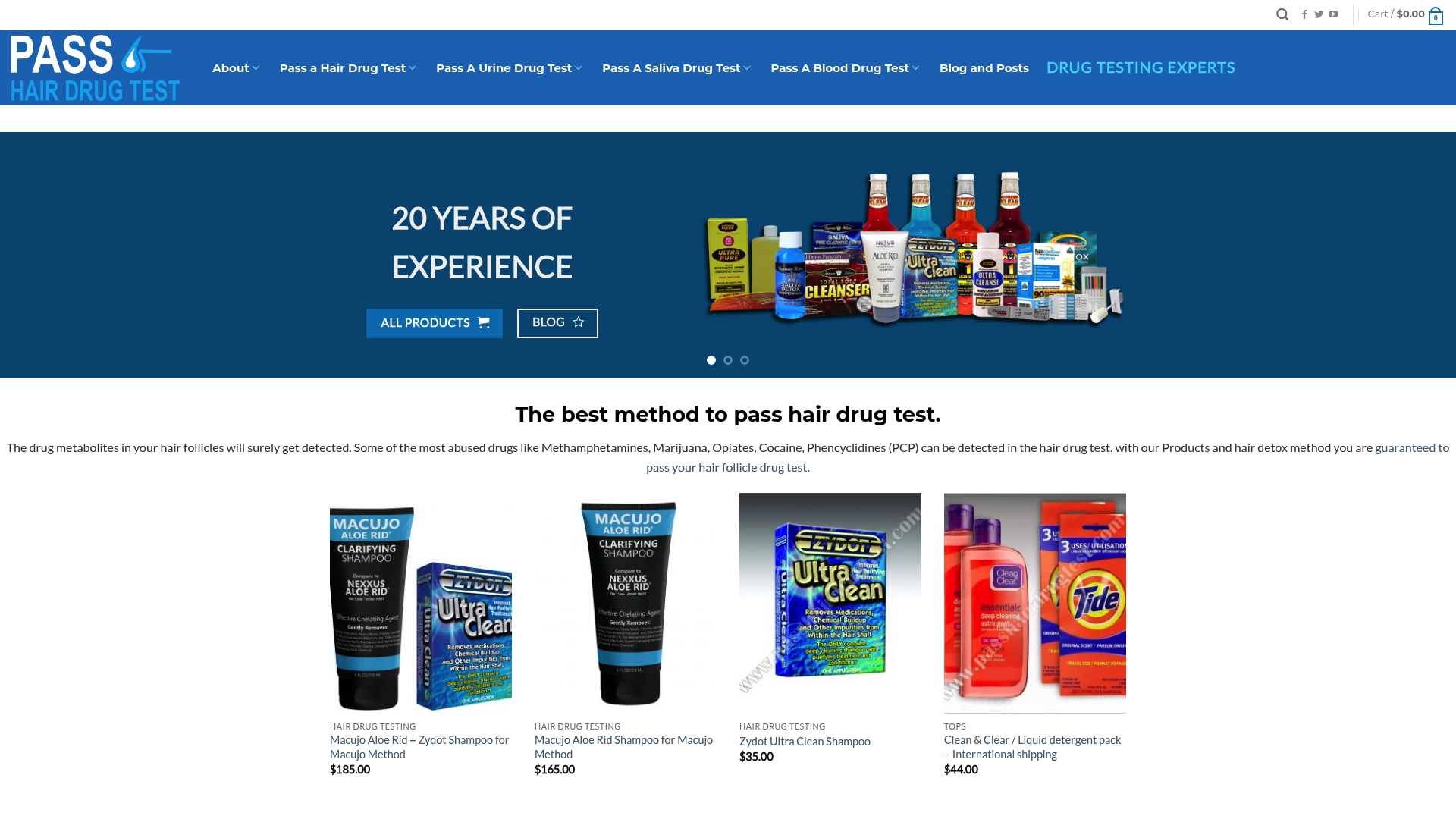
Choosing between the two comes down to your timeline. If you have a week or more before collection, a multi-day regimen built around the Macujo method reaches deeper into the hair shaft than any single wash can. If collection is tomorrow, the same-day kit is the more realistic option, and ordering early matters since standard shipping across the U.S. typically takes a few business days. Check the full product lineup and pick the kit that actually matches how much time you have left, not the one that sounds strongest on the label.
Sources
- NIJ: Detecting drugs in hair — Is it drug use or environmental contamination?
- SAMHSA: Drug metabolites and hair testing
- UNODC manual: Guidelines for testing drugs in hair, sweat and oral fluid
This article is general information, not a substitute for advice from a qualified doctor. Consult a qualified healthcare professional about your own circumstances before acting on anything here.
Recommended
- How Can I Pass a Hair Drug Test?
- How to Prepare for a Hair Test the Right Way
- THC in Hair: What U.S. Cannabis Users Need to Know
- African American Hair Drug Test: A Practical Prep Plan
