No products in the cart.
Uncategorized
Bleach Lowers Lab Numbers but Doesn’t Guarantee a Negative Drug Test
29
Aug
Aug
Bleaching hair can meaningfully lower the concentration of drug metabolites a lab detects, but it does not reliably produce a negative result. The effect depends heavily on which drug is involved, how aggressive and repeated the bleaching was, and how the testing lab interprets a chemically altered sample. Treat bleach as a variable that shifts the odds, not a guarantee.
TL;DR:
- Bleaching hair can reduce drug metabolite concentrations by up to 90%, especially for stimulants and opiates, but does not guarantee a negative test result.
- The effectiveness of bleaching depends on drug type, bleaching intensity, frequency, and hair damage, with resistant substances like THC and methadone less affected.
- Labs are aware of cosmetic treatments and use procedures such as visual inspection and confirmatory tests to interpret chemically treated samples conservatively.
- Disclosing recent bleaching to the collector and considering alternative tests like urine or saliva improves chances of an accurate result.
- Aggressive bleaching carries risks of hair damage, suspicion, legal consequences, and unreliable reductions, making structured, multi-step detox protocols a safer alternative.
Table of Contents
Table of Contents
- How Bleaching Hair Affects a Drug Test at the Chemical Level
- Which Drugs Are Most (and Least) Affected by Bleaching?
- How Do Labs Detect and Interpret Chemically Treated Hair?
- What Should You Do If You’ve Bleached Your Hair Before a Test?
- What Does the Research Actually Show?
- What Are the Risks of Trying to Beat a Test With Bleach?
- Are Hair Drug Tests and Bleaching Attempts Legal?
- Where the Science Leaves Room for Judgment
- A More Structured Route Than a Bleach-and-Hope Approach
- Sources
How Bleaching Hair Affects a Drug Test at the Chemical Level
Bleach doesn’t just lighten hair. It runs a chemical reaction that happens to overlap with how drug metabolites sit inside the hair shaft, which is exactly why a bleach hair drug test question comes up so often among people facing screening.
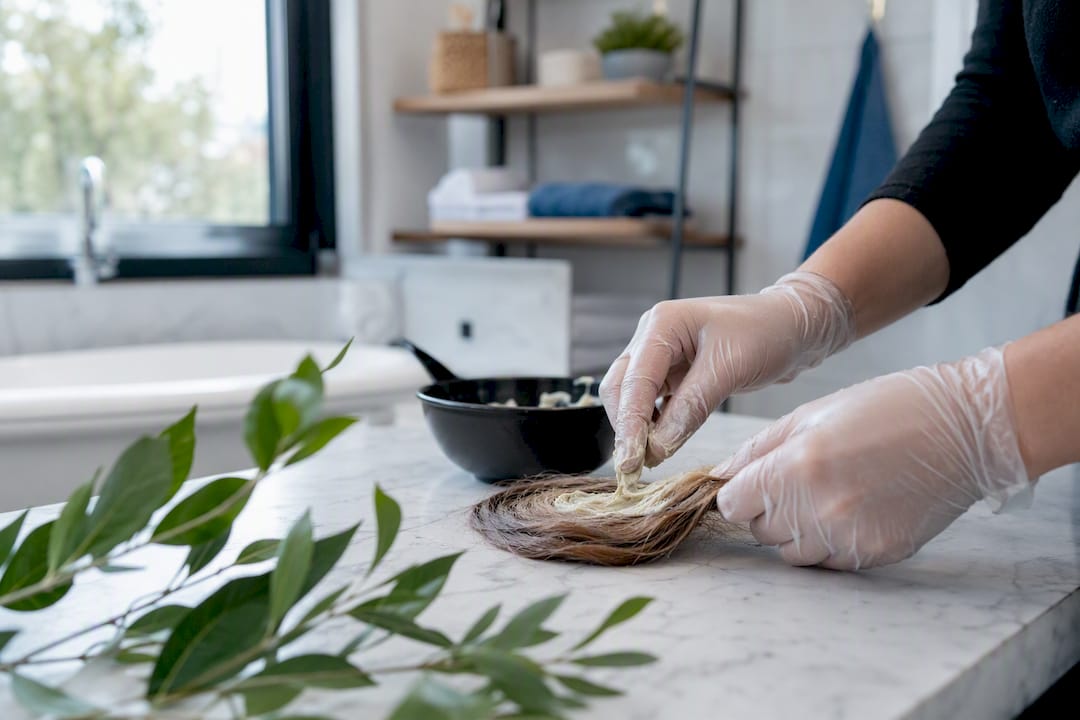
Most bleach formulas rely on hydrogen peroxide activated under alkaline conditions. That combination oxidizes melanin (the pigment that gives hair its color) and simultaneously breaks down parts of the keratin structure that makes up the hair shaft. Drug metabolites aren’t sitting on the surface where a quick rinse could remove them. They’re incorporated into the cortex, the inner layer of the hair, often bound loosely to melanin granules as the hair grows. That’s why surface-level washing, scrubbing, or a basic clarifying shampoo rarely does much. You need something that gets into the shaft itself, and that’s precisely what bleach does through oxidation.
The mechanism works like this:
- Hydrogen peroxide penetrates the cuticle and swells the hair shaft, opening pathways into the cortex.
- Alkaline pH conditions (common in bleach kits) further loosen the keratin matrix, making it more porous.
- Oxidation degrades some drug metabolites directly and destabilizes the melanin structures that were holding others.
- The now-porous shaft allows metabolites to leach out during the bleaching process and subsequent rinsing.
The chemistry cuts both ways. More aggressive or repeated bleaching sessions cause more structural damage, which generally means more metabolite loss, but it also leaves hair visibly damaged in a way a collector can notice. One in vivo comparison found bleaching produced significantly larger reductions in drug concentrations than simple hair dyeing, with the size of the reduction tracking closely with the degree of hair damage. Fried, brittle hair sitting next to a normal scalp is its own kind of red flag.
Which Drugs Are Most (and Least) Affected by Bleaching?
Not every drug responds to bleach the same way, and the differences are large enough to matter if you’re trying to gauge your own risk.
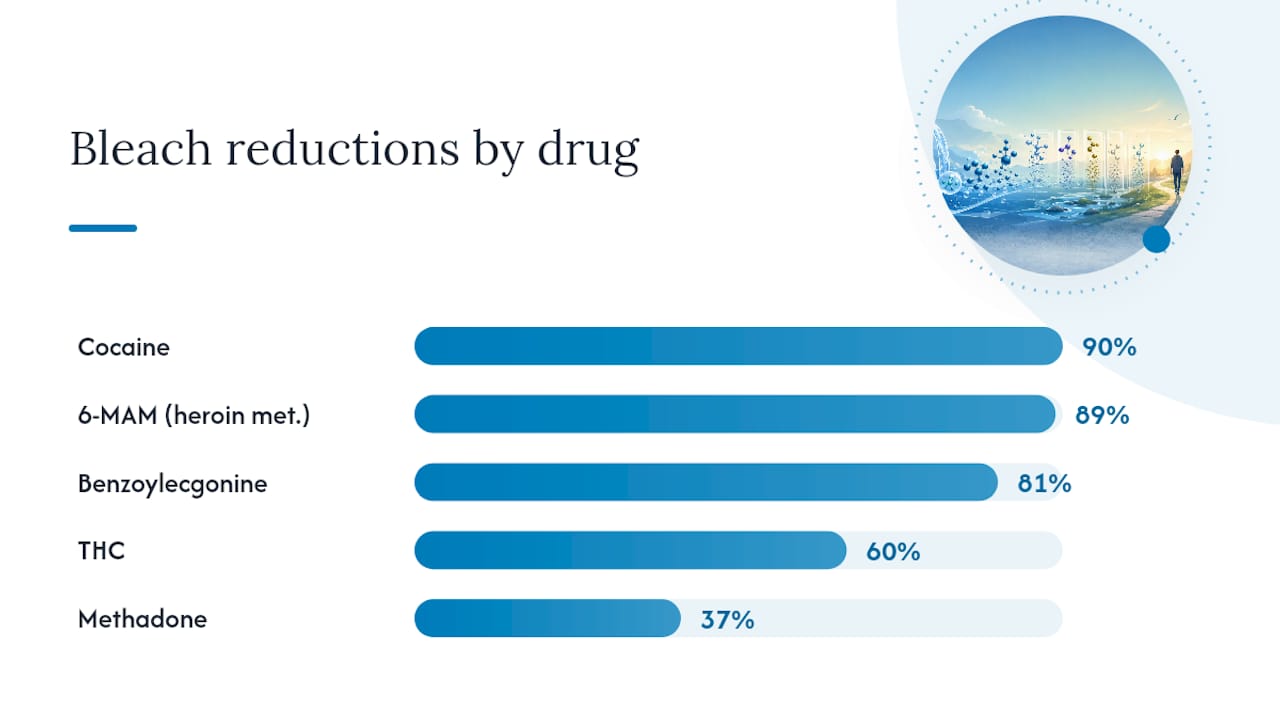
Controlled laboratory research using multi-step chemical regimens that included bleaching found some striking reductions in measured concentrations. According to one hair analysis study on homemade treatment effects, the following headline reductions were reported:
- Cocaine: reductions up to 90%
- 6-monoacetylmorphine (a heroin-specific metabolite): 89%
- Benzoylecgonine (a cocaine metabolite): 81%
- MDMA: 80%
- Morphine: 77%
- Methamphetamine: 76%
- Ketamine: 67%
- THC: 60%
- Methadone: 37%
Stimulants and opiates tend to show the steepest drops, while methadone and THC are consistently more resistant to bleaching. That gap likely comes down to how each compound binds within the hair matrix. THC and methadone appear to integrate more stubbornly into the keratin structure, meaning even a 60% reduction may not be enough to drop someone from a heavy-use range down below a cutoff.
Parent drugs and their metabolites don’t always behave identically either. A metabolite like benzoylecgonine can degrade at a different rate than the parent compound cocaine, which complicates any simple prediction. The practical takeaway: bleaching lowers the number on the lab report for most substances, but “lower” and “below cutoff” are two very different outcomes, especially for frequent or heavy users.
How Do Labs Detect and Interpret Chemically Treated Hair?
Forensic toxicology labs aren’t blind to the fact that people bleach their hair before a hair follicle drug test. Standard procedure builds in steps specifically designed to catch or account for cosmetic treatment.
- Pre-analytical washing. Every sample goes through a standardized wash protocol before testing, meant to remove external contamination and establish a baseline.
- Visual inspection. Collectors and lab technicians note visible damage, unusual texture, or signs of recent chemical processing during collection, and this gets logged in the chain-of-custody paperwork.
- Confirmatory testing. Any presumptive positive gets confirmed using liquid chromatography tandem mass spectrometry (LC-MS/MS), a highly sensitive method that can still detect trace metabolites even at reduced concentrations.
- Donor disclosure. Collectors typically ask about recent hair treatments, and that answer becomes part of the record regardless of the outcome.
When a lab suspects cosmetic alteration, interpretation tends to get more conservative. Reviews of forensic hair-testing practice note that labs struggle to cleanly separate legitimate cosmetic care from intentional cleansing attempts, which often pushes them toward flagging the sample, requesting a retest, or recommending a complementary urine screen rather than issuing an outright negative.
Pro Tip: If your hair has been bleached recently and you know a test is coming, expect the collector to ask about it directly. Answering honestly costs you nothing extra. A visibly damaged sample paired with a denial of any treatment is a worse position than disclosing it upfront.
What Should You Do If You’ve Bleached Your Hair Before a Test?
If a hair follicle drug test is already scheduled and your hair has recent bleach damage, a few practical moves matter more than panic.
- Disclose the treatment to the collector. It gets documented either way, and volunteering the information looks better than having it discovered during visual inspection.
- Ask about alternative specimen types. Many testing programs, especially workplace ones, can substitute or supplement with urine or saliva testing, which carry much shorter detection windows and aren’t affected by hair chemistry at all. SAMHSA’s guidance on workplace drug testing outlines how these programs commonly operate.
- Don’t add more damage right before the test. A last-minute aggressive bleach session, especially one that leaves hair obviously fried, tends to draw more scrutiny, not less.
- Set realistic expectations. No protocol, product, or bleaching regimen comes with a guaranteed outcome. Reduction in concentration is not the same thing as passing.
Some readers who go this route also research structured multi-step approaches rather than a one-time bleach job, and our guide on hair follicle drug test preparation walks through what those approaches typically involve and how detection windows factor in.
Pro Tip: If you have any flexibility on timing, understand that hair grows roughly half an inch per month, and a standard 1.5-inch segment reflects roughly the last 90 days of history. Bleaching affects the whole tested segment, not just new growth, which is part of why heavier or more frequent use is harder to fully mask.
What Does the Research Actually Show?
The scientific literature on this topic is more consistent than the anecdotes floating around online forums, and it points to a nuanced middle ground rather than a clean yes or no.
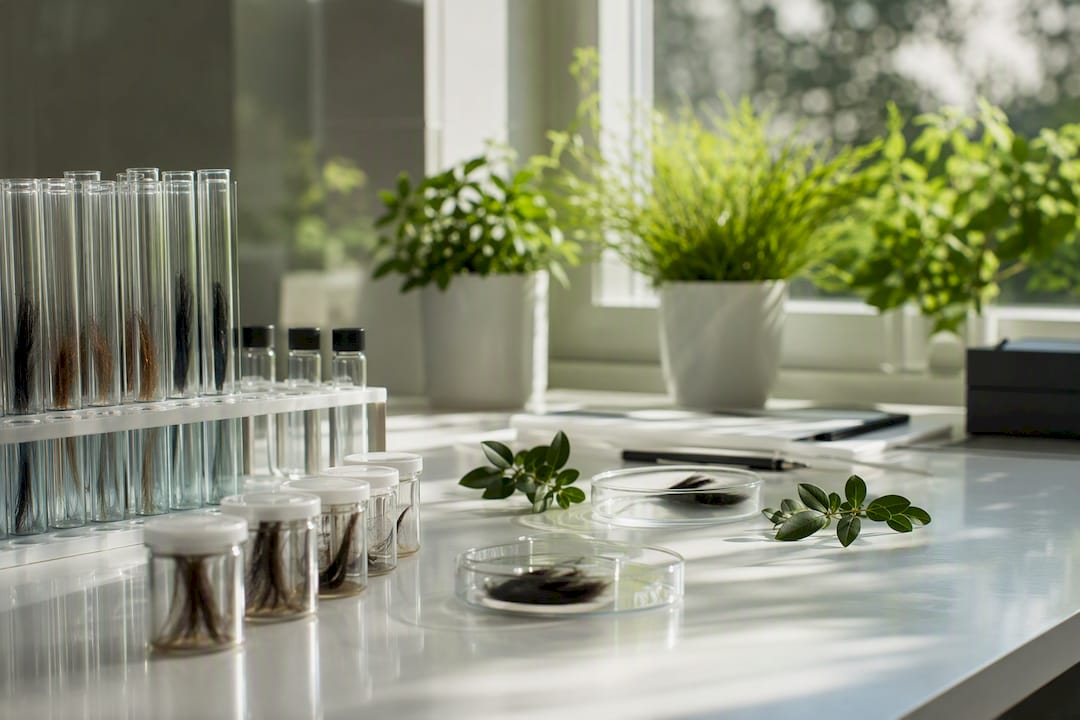
Controlled in vitro experiments, where researchers spike hair samples with known drug quantities and then apply treatments under lab conditions, consistently show large percentage reductions after intensive, multi-step regimens. A separate laboratory study of 54 THC-positive samples tested a range of household and commercial treatments and found meaningful average reductions across several agents, though not every product produced a statistically significant drop for every subject.
The gap between lab conditions and real life matters here. In vitro studies control the dose, timing, and hair source precisely, while real-world use varies wildly. That’s likely why population-scale comparisons of treated versus untreated hair samples found that although treated hair shows lower average concentrations, overall positivity rates between the two groups were often not significantly different. Reduced numbers on paper don’t automatically translate into fewer positive results in practice.
What Are the Risks of Trying to Beat a Test With Bleach?
Attempting to cheat a hair drug test with bleach carries risks that go well beyond “it might not work.”
Physical risk to the sample comes first. Repeated or aggressive bleaching leaves hair visibly damaged, brittle, and sometimes structurally too weak to test at all. Some labs treat an unusually damaged sample as grounds for flagging or requesting recollection, which can add delay and draw more attention to your test than if you’d done nothing.
Detection risk is real even when the strategy works partially. As the drug-by-drug data shows, a 60% reduction in THC concentration might still leave someone with heavy, recent use above the cutoff. You could go through the discomfort, cost, and hair damage of bleaching and still test positive, which is arguably worse than not attempting anything, since it adds a documented chemical treatment to your file.
Employment and legal consequences compound quickly. A flagged or inconclusive result can trigger a retest, an urine confirmation, or in workplace settings, direct scrufiny from HR or compliance officers. Falsifying or tampering with a specimen, depending on jurisdiction and program rules, can carry consequences separate from and more serious than a positive result itself.
There’s also a reliability risk in the information itself. Online forums are full of specific “recipes” that mix bleach ratios, timing, and secondary products, most untested by any controlled study. Some produce real reductions. Others do nothing but damage hair while leaving concentrations largely intact, according to the same research showing wide variability across treatments and individuals.
Are Hair Drug Tests and Bleaching Attempts Legal?
Hair drug testing itself is legal and widely used across employment screening, court-ordered testing, and custody proceedings in the United States, governed largely by employer policy and, in regulated industries, federal guidance like the framework SAMHSA maintains for workplace programs.
Attempting to alter a sample sits in murkier territory. Bleaching your own hair as routine personal grooming is not illegal. The legal and ethical line gets blurry when someone bleaches hair specifically and deliberately to defeat a scheduled test they know is coming, particularly in contexts like probation, custody disputes, or safety-sensitive employment where a positive result carries legal weight. Some employers and testing programs treat deliberate specimen tampering as a policy violation separate from the underlying drug result, which can mean termination or disqualification regardless of what the test itself shows.
Ethically, the calculation is worth being honest with yourself about. A test exists to answer a specific question for an employer, court, or agency. Deliberately distorting the sample doesn’t change the underlying fact the test was designed to measure, it just changes whether that fact gets recorded accurately. If you’re in a legal proceeding with disclosure obligations, consult an attorney before assuming any hair treatment protects you procedurally, since the consequences of an obscured or tampered sample can outweigh those of an honest positive in some jurisdictions.
Where the Science Leaves Room for Judgment
The data on bleaching and hair tests gets treated online as more binary than it actually is. People want a yes or no answer, and the honest answer is that bleaching shifts probabilities without eliminating risk. That nuance gets lost when a forum post reduces a 90% reduction in one substance to “bleach beats hair tests,” ignoring that methadone and THC behave completely differently from cocaine in the same study.
What the research does support is that the intensity and structure of a treatment protocol matters more than the fact of bleaching alone. That’s part of why Passhairdrugtest has spent more than 20 years focused on structured, multi-step approaches like the Macujo Method rather than single-step bleach jobs. No product or protocol we carry, including Macujo Aloe Rid Shampoo, guarantees a negative result. What a structured approach offers is a more consistent, research-informed process than an improvised bleach session, along with the honesty to tell you when a urine or saliva alternative might genuinely serve you better.
— MIchael
A More Structured Route Than a Bleach-and-Hope Approach
A raw bleach job is a blunt instrument. It damages hair unevenly, risks visible red flags at collection, and, per the drug-specific data above, still leaves plenty of room for a positive result on resistant substances like THC or methadone. Passhairdrugtest built its business around a more deliberate alternative: multi-step cleansing protocols designed around how hair chemistry actually behaves, rather than a single aggressive treatment and a guess.
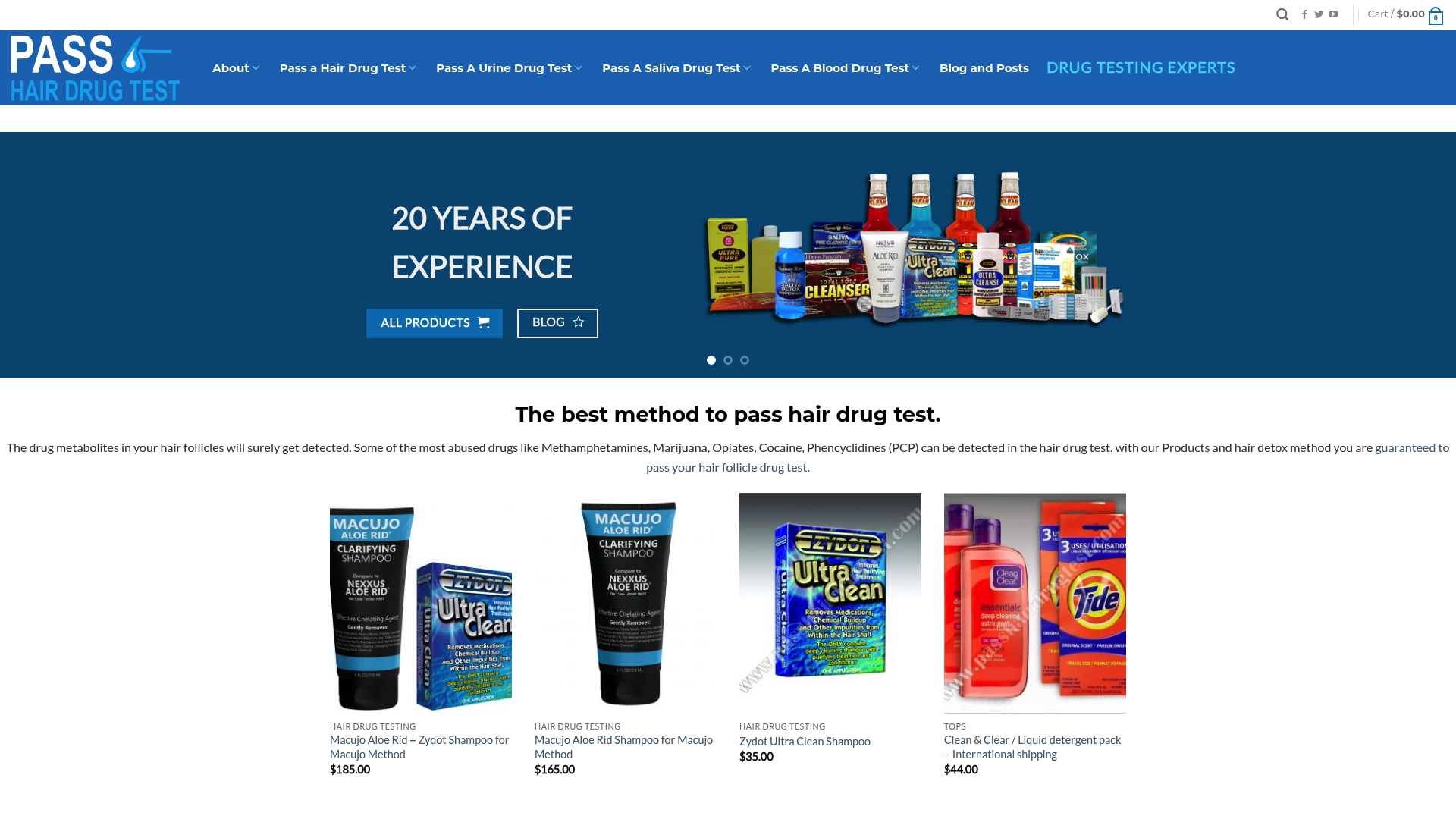
The Macujo Aloe Rid Shampoo is the core product behind our most requested protocol, paired with clear instructions rather than vague forum advice. We’ll say this plainly: no shampoo, kit, or method on the market can promise a guaranteed negative result, and anyone claiming otherwise isn’t being straight with you. What we can offer is a process built on two decades of focus on this exact problem, along with honest guidance on when a urine or saliva alternative makes more sense for your situation. If you want to see how the full protocol works before your test date, check the step-by-step Macujo Method breakdown and get your timeline sorted before you’re down to the wire.
Sources
Key studies referenced: homemade treatment effects on hair concentrations, cosmetic treatment and drug testing, cosmetic and homemade treatment detectability, and SAMHSA workplace testing guidance.
- Hair analysis: Assessment of homemade hair treatment effects on drug concentrations in the keratin matrix
- Influence of the cosmetic treatment of hair on drug testing
Recommended
