Uncategorized
Conditioner After Detox Shampoo Has No Proven Hair Test Effect
Oct
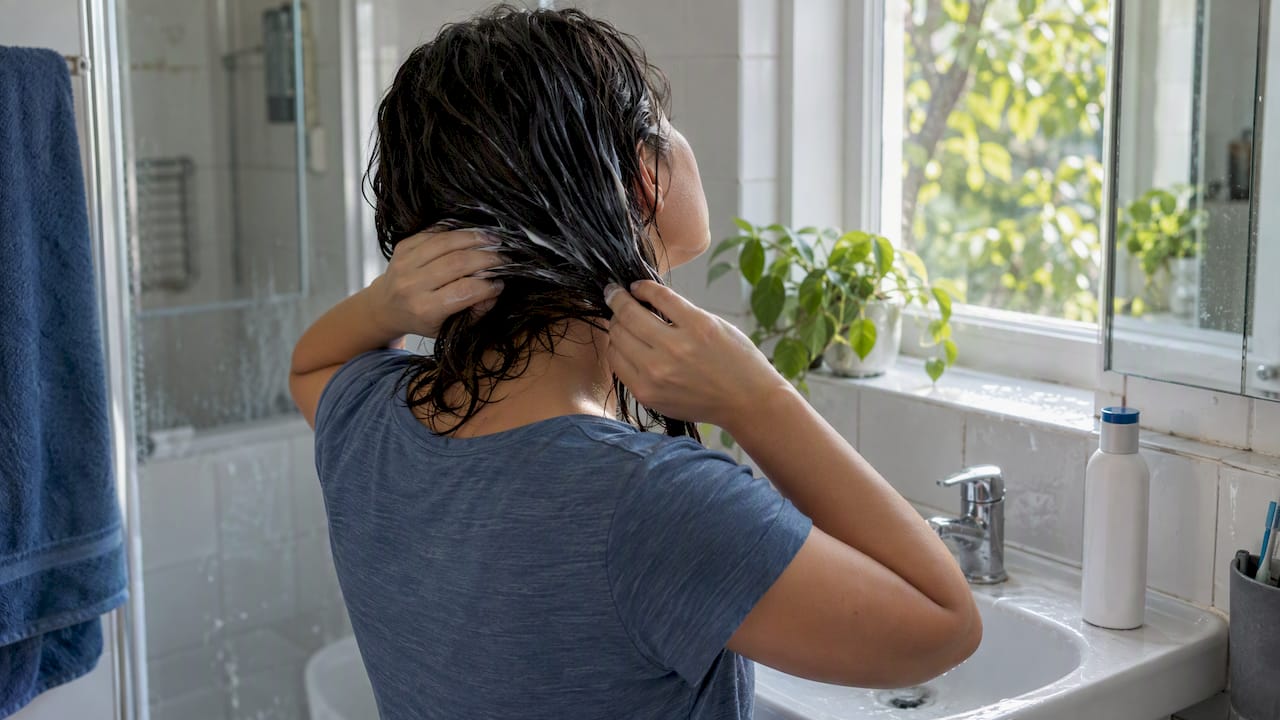
If you used a detox shampoo before a hair follicle test, follow the kit’s written directions and use conditioner only if the product permits it. Studies show inconsistent effects from hair products, and labs rely on validated wash protocols, so conditioner is no guaranteed control. Rinse as directed, and tell the collector about every treatment you used.
TL;DR:
- Use only the conditioner named in the kit instructions, rinse thoroughly, and skip leave in products or styling aids that the protocol does not permit.
- Laboratories use validated wash protocols and may analyze the washings alongside drugs and metabolites to distinguish outside contamination from drugs incorporated into hair.
- Avoid bleach, dye, straightening, and relaxers between cleansing and collection; these treatments add variables that laboratories record and may affect interpretation.
- No universal consumer waiting period is established, so follow the kit’s timing instructions rather than adding an unsupported delay before collection.
- Record each product’s name and use time, including conditioner, and note whether you followed every kit step for the collection discussion.
Table of Contents
Table of Contents
- What do studies and testing bodies say about hair treatments?
- How do labs decontaminate hair, and why does that matter more than your rinse?
- What should you do after using a detox shampoo?
- What should you tell the collector?
- When should you skip conditioner entirely?
- Why do transparency and validated steps matter?
- Where can you find kit instructions and product support?
- FAQ
- Sources
What do studies and testing bodies say about hair treatments?
Researchers have tested whether commercially available products change measured drug concentrations in hair, and the answer is “sometimes, unpredictably.” A peer-reviewed study of THC hair concentrations found that some shampoos and treatments lowered results, while the authors warned against over-interpreting those reductions. They also recommend pairing hair testing with urine testing, since hair-care products can produce unexpectedly low readings in experiments.
Here is what the evidence supports:
- Shampoos and other products have produced lower measured concentrations in experiments, but the effect differs by product, drug and hair sample.
- Aggressive multi-step recipes using baking soda, salicylic acid or bleach showed large reductions in a 2023 analytical study, but they involve substantial hair damage and are not standardized consumer steps.
- The Society of Hair Testing consensus guidance says laboratories must validate their wash protocols and record cosmetic treatments. It sets no universal consumer timetable for conditioner.
- SAMHSA’s literature summary makes the same points: wash steps are critical, and cosmetic treatments affect interpretation.
One experimental treatment reduced THC by 60%. That was a lab treatment, not evidence about conditioner after a commercial kit, and individual hair responds differently.
The bottom line: no study shows conditioner after a detox shampoo is a validated or predictable way to change how a lab reads your sample.
How do labs decontaminate hair, and why does that matter more than your rinse?
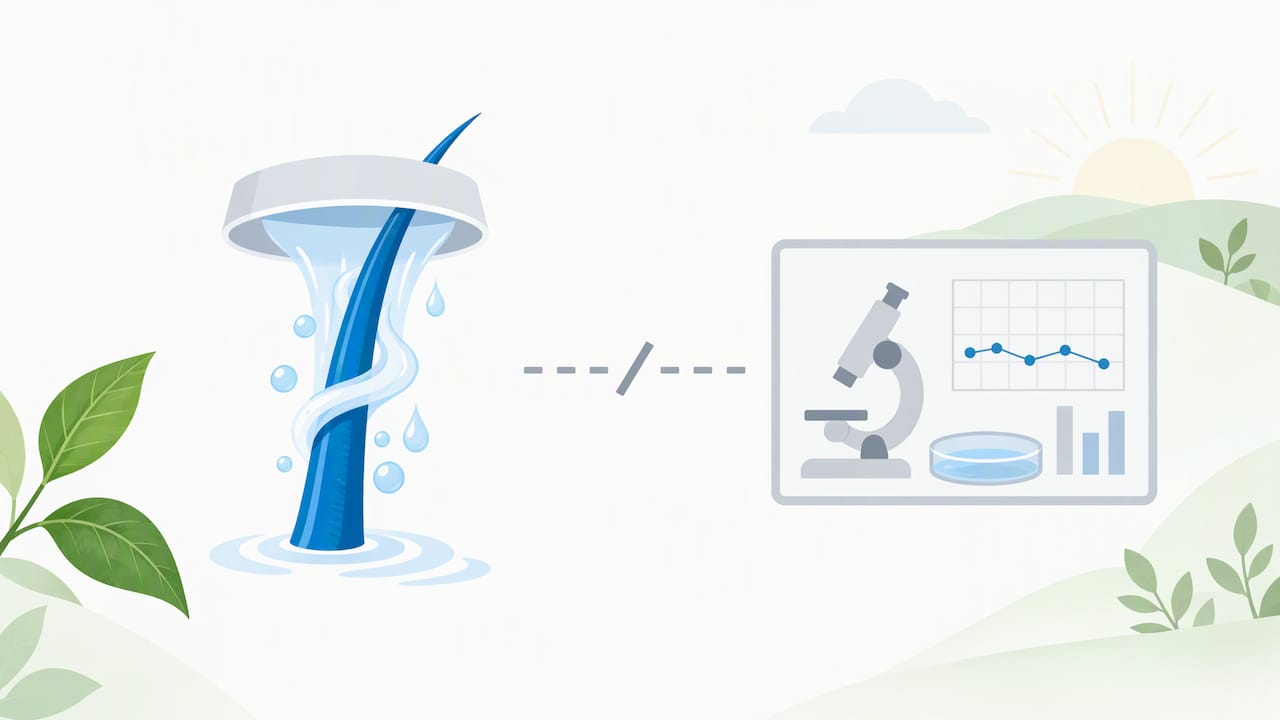
Labs do not simply measure whatever is on your hair. They wash the sample first, and that wash is designed to separate outside contamination from drug that was actually incorporated into the hair shaft.
According to the UNODC laboratory manual, decontamination typically combines organic and aqueous washes, and each laboratory must validate its own protocol for interpretation. Here is why that overshadows anything you do at home:
- Wash solutions get analyzed. Testing the washings helps labs tell external contamination from ingestion.
- Metabolites carry meaning. As SAMHSA’s technical summary explains, labs target both parent drugs and metabolites, and metabolites help point toward ingestion rather than contamination.
- Wash methods vary. Decontamination research describes many approaches (methanol, acetone, detergents, other solvents), and none is universally accepted. Protic washes can swell hair and may partly remove embedded drug, so outcomes depend on both method and hair.
- Hair condition matters. Controlled experiments show bleaching or dyeing can change how hair takes up outside contamination or loses incorporated drug.
A consumer conditioner is neither standardized nor validated for any of this. The lab’s procedure and interpretation decide the outcome, which is why following your kit and disclosing treatments beats hoping a conditioner changes the result.
What should you do after using a detox shampoo?
Keep it simple and conservative. Work through these steps in order:
- Follow the detox product’s written instructions exactly. Do not substitute, shorten or skip any required step.
- Condition only if the instructions allow it. If the kit includes a rinse-conditioning step, use only the conditioner it specifies and rinse thoroughly. Skip leave-ins and styling products.
- Avoid new chemical treatments. Bleach, dye and relaxers between cleansing and collection add variables that labs record and that can alter interpretation.
- Soothe carefully if your scalp needs it. After an aggressive cleanse, a mild rinse-out conditioner is reasonable only if the kit permits it. Write down what you used and when.
- Do not chase a waiting period. No universal consumer rule exists, so rely on the product directions and your own notes.
Pro Tip: Keep a simple log on your phone: product name, date, time and which steps you completed. It makes the collection conversation much easier.
If you want the full walkthrough, our guide on how to use detox shampoo covers each stage.
What should you tell the collector?
Labs record cosmetic history because it affects interpretation, a point both the SoHT consensus and the UNODC manual support. Bring this information to collection:
- The detox shampoo brand and the exact dates and times you used it
- Any conditioner you applied, with the product name and timing
- Any bleach, dye, straightening or other chemical treatment
- Whether you followed the kit steps exactly, and whether you put any leave-in product on after rinsing
Our hair drug test information page explains what collectors typically ask.
When should you skip conditioner entirely?
Skip it when the choice adds risk of confusion or noncompliance:
- Your detox kit, employer or collector forbids any cosmetic product before collection.
- The kit’s protocol is a multi-step wash that makes no provision for conditioning.
- You cannot reliably document which products you used and when. In that case, fewer products and full transparency serve you better.
Why do transparency and validated steps matter?
I think the conditioning question is the wrong one to obsess over. People look for a small trick to add after the shampoo, yet the evidence points the other way: results are inconsistent, labs control the wash, and the one thing fully within your control is how accurately you follow the directions and describe what you did. A kit used as written, plus honest disclosure, leaves nothing to explain later. If a product detail is unclear, contact the seller’s support before you improvise.
— MIchael
Where can you find kit instructions and product support?
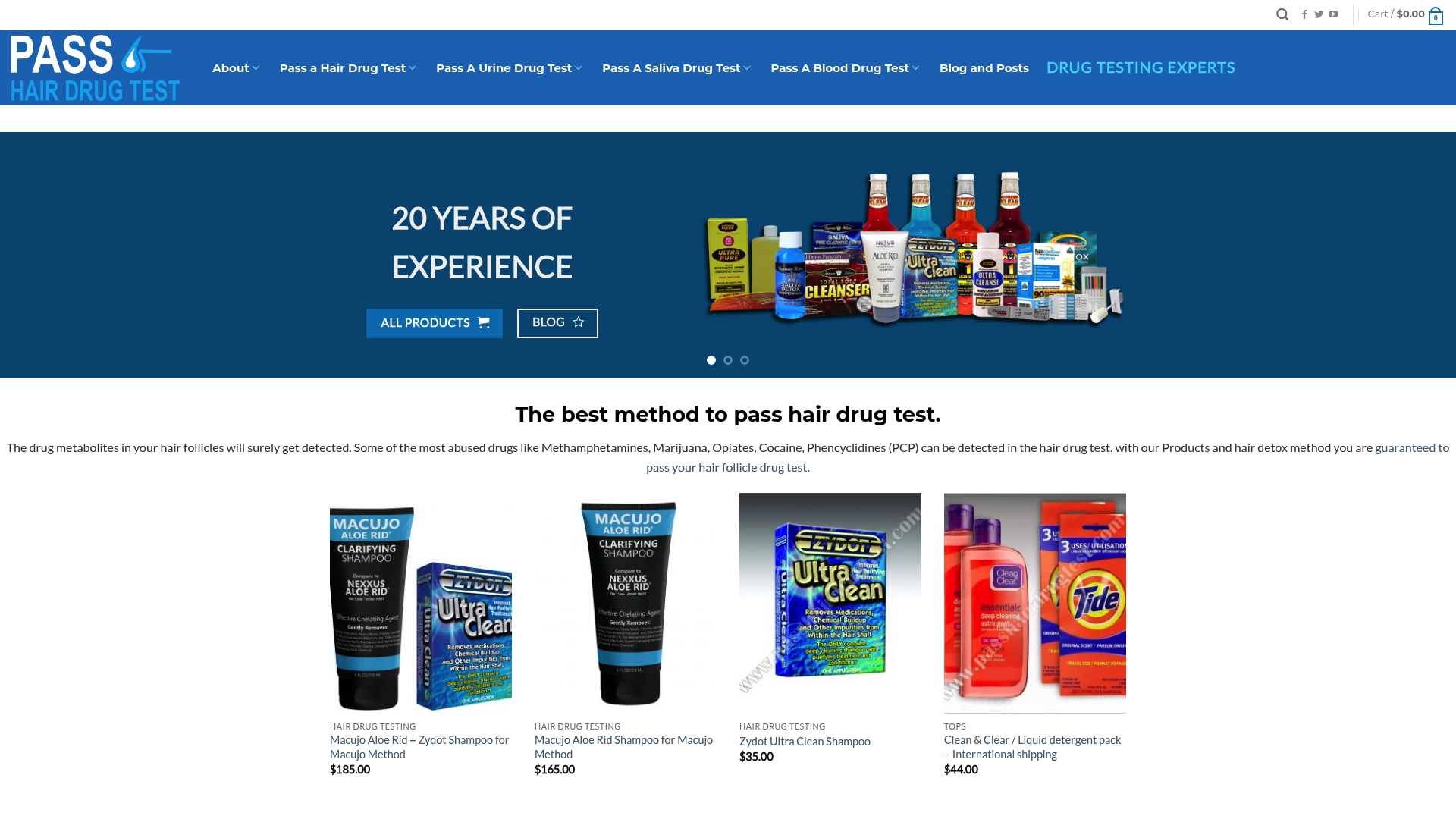
We sell hair detox kits and step-by-step instructions, and we back them with phone support for product use. We have experience in the drug-testing and detox-product industry. That support fits the advice above: follow the directions, document what you did and disclose it.
- Browse our hair drug testing products for kits and shampoos.
- Compare options on our best hair detox shampoo page.
- Read the hair follicle test guide before collection day.
Check which kit matches your situation, then call us if you want help with the instructions.
FAQ
Can I use conditioner after a detox shampoo?
Only if the kit’s instructions allow it. If they do, use the specified conditioner and rinse thoroughly.
Does conditioner change hair drug test results?
There is no evidence it does so predictably. Experimental studies show product effects vary by product, drug and hair, and labs apply their own validated wash protocols.
Should I tell the collector about conditioner?
Yes. Labs record cosmetic treatments, so list the detox shampoo, any conditioner and the dates you used them. Accurate disclosure helps correct interpretation.
Is there a waiting period between detox shampoo and collection?
No universal consumer waiting period exists in the authoritative guidance. Follow your kit’s directions and keep notes on timing.
How is a conditioner for clean hair different from a detox step?
A detox shampoo is a cleansing product with its own written protocol, while conditioner is a cosmetic that sits outside that protocol. Treat conditioner as optional and only when the kit permits it.
Sources
- Manipulation of THC Hair Concentrations by Commercially Available Products – PMC
- 2021 SoHT CONSENSUS ON DRUGS OF ABUSE (DOA) TESTING IN HAIR Consensus revision – presented in Santiago September, 17 th 2021 after expert meeting in Sevilla
- Guidelines for testing drugs under international control in hair, sweat and oral fluid—MANUAL FOR USE BY NATIONAL DRUG ANALYSIS LABORATORIES
- The science of hair testing – summary of literature review
Recommended
- Detox vs Clarifying Shampoo for Hair Drug Test Prep
- Do Detox Shampoos Work for Hair Follicle Tests?
- How to Use Detox Shampoo for a Hair Drug Test
- Home Hair Detox: Realistic Protocol and Verification Guide
