No products in the cart.
Uncategorized
Body Hair vs Head Hair: What Drug Test Labs Really Use
28
Aug
Aug
Labs testing hair for drugs prefer scalp hair, and specifically hair from the back of the head, because it grows at a predictable rate and lets analysts pinpoint drug use within roughly 90-day windows. Body hair only enters the picture when scalp hair isn’t available, and it works completely differently: it can flag drug exposure going back as far as a year, but it cannot tell anyone when in that year the exposure happened. That single distinction, precision versus range, is the difference that should drive how you think about timing, cosmetic treatments, and any cleansing plan before a collection appointment.
TL;DR:
- Scalp hair provides a roughly 90-day detection window, with the ability to segment samples into monthly intervals for precise timing.
- Body hair can reveal drug exposure over the past year but cannot specify when within that period the use occurred.
- External cleansing methods have limited effect once metabolites are embedded in the hair shaft; thorough preparation involves early planning.
- Collection quality, proper labeling, and handling are critical to passing legal or employment tests and defending the results.
- Detox products can reduce surface contamination but cannot eliminate metabolites bonded inside the hair, so realistic preparation still requires time.
Table of Contents
Table of Contents
- Body Hair vs Head Hair: Which One Labs Actually Collect
- Detection Windows and Interpretation: Scalp Hair vs Body Hair
- What This Means for Cleansing, Detox, and Test Prep
- If You Have No Scalp Hair: How Body-Hair Testing Works
- Collection Standards That Decide Whether a Test Holds Up
- The Honest Take on Detox Products and What They Can Realistically Do
- Getting Ready for a Hair Test With the Right Products
- Sources
Body Hair vs Head Hair: Which One Labs Actually Collect
Collectors reach for scalp hair first, and specifically hair from the posterior vertex, the crown area at the back of your head. The Society of Hair Testing’s guidance, reflected in UNODC’s technical guide, points to that spot because it has the most consistent growth rate on the body and the highest proportion of follicles actively growing (the “anagen” phase) rather than resting. That consistency is what makes the math behind detection windows work at all.
Here’s the mechanical part most people never think about. Drugs and their metabolites travel through your bloodstream and get deposited into the hair follicle as the strand forms, then get locked into the keratin structure as the hair grows out of the scalp. Scalp hair grows at roughly 1 centimeter per month, which turns a hair sample into something closer to a growth ring on a tree than a random swab.
Sample size matters more than most donors realize. LabCorp’s testing guidance states that routine screening plus confirmation typically requires around 100 mg of hair, roughly 90 to 120 strands about the width of a pencil.
- A 3 cm scalp sample approximately corresponds to a 90-day growth history.
- Because growth is linear, labs can cut that sample into segments and interpret it with an approximate monthly resolution.
- Body hair does not allow segmenting for detailed timing because its growth rate varies significantly between hairs.
That segmenting capability is the real reason scalp hair stays the gold standard. When labs can slice a sample into 1 cm chunks and test each one separately, they get a rough timeline of use instead of a single yes/no answer covering an undefined stretch of months.
Detection Windows and Interpretation: Scalp Hair vs Body Hair
A 3 cm scalp hair sample generally provides an overview representing about 90 days, and when hair length permits, labs can segment it into approximate monthly intervals. Body hair, according to AlphaBiolabs USA, covers a much wider stretch, up to around 12 months, but that entire window gets reported as one lump result. There’s no slicing it into months.
Why the difference? Body hair doesn’t grow on a tidy monthly schedule. Growth cycles on the arms, legs, or chest are slower, more variable between individual hairs, and spend far more time in a dormant resting phase than scalp hair does. A hair on your forearm might have been sitting dormant for months before the sample was even cut, which means it could be carrying evidence of use from much earlier than the collection date, with no way to date it precisely.
That variability is exactly why toxicologists interpret body-hair positives with more caution than scalp-hair positives. A positive result from body hair confirms exposure happened at some point in the covered window. It does not confirm recent use, heavy use, or a specific timeframe the way a segmented scalp sample can.
The testing method itself adds another layer. Labs typically run an initial immunoassay screen, then confirm any positive with liquid chromatography tandem mass spectrometry, or LC-MS/MS, which is far more specific and less prone to false positives. That confirmatory step matters just as much for body hair as it does for scalp hair, since:
- Dose and frequency of use both shift how much drug residue ends up embedded in the shaft.
- Chemical treatments like bleaching or perming can alter how much residue survives in scalp hair.
- Sun exposure and washing habits affect body hair differently than scalp hair because of exposure patterns and hair density.
A scalp-hair positive segmented by month tells an investigator something close to “probable use in March.” A body-hair positive tells them “exposure sometime in the last year.” That gap in specificity is the entire reason scalp hair remains the preferred specimen whenever it’s available.
What This Means for Cleansing, Detox, and Test Prep
Here’s the part donors need to hear plainly: once a drug metabolite is bonded into the hair shaft, ordinary washing does not pull it back out. Clarifying shampoos strip oil and surface buildup, and they can reduce some external contamination, but they have limited effect on metabolites that are already incorporated into the keratin structure of the strand. That’s a structural fact about how hair grows, not a marketing claim, and it shapes every realistic decision you make from here.

Your strategy should look different depending on which specimen is in play. If scalp hair is the sample, you’re dealing with a segmentable timeline, which means older growth further from the scalp holds older evidence, and newer growth close to the root reflects recent exposure. If body hair becomes the fallback, you’re dealing with a long-range overview with no way to isolate a specific month, which shifts the goal from “clean the last 30 days” to “reduce overall residue across the sample.”
A few practical steps apply regardless of which hair type ends up being collected:
- Document any chemical treatments you’ve had done, bleaching, coloring, keratin treatments, in the weeks before a scheduled test, since labs sometimes ask about this and it can factor into interpretation.
- Avoid starting new cosmetic hair procedures right before a collection date. A sudden treatment can look like an attempt to alter results and may prompt additional scrutiny.
- Give yourself as much lead time as possible. Planning weeks or months ahead allows for a more thorough approach than a same-week scramble.
- If you’re down to last-minute prep, focus on what’s realistically achievable rather than assuming any single product will erase a positive result outright.
Pro Tip: If you know a test is coming, start prep the day you find out, not the day before your appointment. Multi-step protocols need repeated applications over time to have any meaningful effect on shaft-incorporated residue, and rushing the process rarely improves the outcome.
The honest takeaway here matters more than any product pitch: no at-home method guarantees a negative result once metabolites are bonded into the hair shaft, and labs run confirmatory testing precisely because it’s hard to fool. Anyone selling a guaranteed pass is skipping over the chemistry.
If You Have No Scalp Hair: How Body-Hair Testing Works
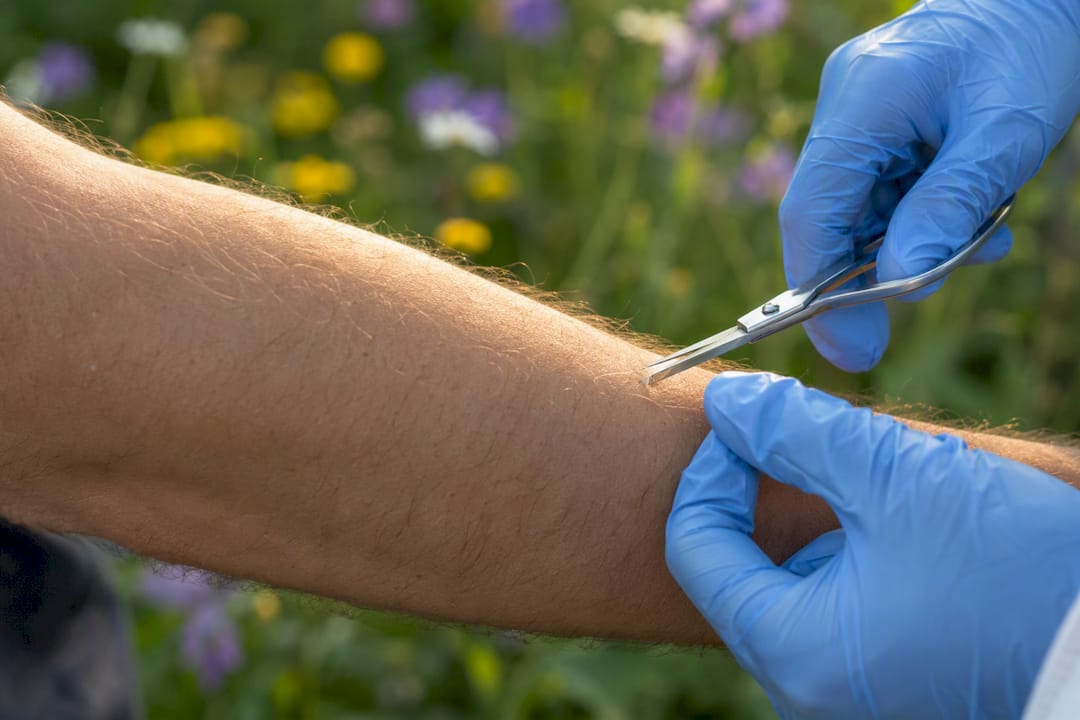
Donors without enough scalp hair, whether from shaving, medical hair loss, or a short buzz cut, aren’t automatically off the hook. Labs pivot to body hair as a fallback, and the collection process looks different from a standard scalp sample.
- Body hair is typically collected by weight rather than length, since strand growth rates vary too much across the body to measure in centimeters the way scalp hair is measured.
- Common collection sites include the arms, legs, chest, and underarms; facial and beard hair is sometimes used as an exception when other body hair is sparse.
- Because body hair only provides an overview rather than a segmentable timeline, a positive result confirms exposure happened within roughly the past year without pinpointing when.
- If a body-hair sample returns a positive, labs sometimes request additional hair or a follow-up sample to corroborate the finding before it’s finalized.
- Donors should mention any recent shaving, waxing, or cosmetic hair removal at the time of collection, since it directly affects how much hair is available and how the result gets interpreted.
For anyone who suspects they’ll be routed to body-hair testing, understanding how that specimen is evaluated ahead of time beats finding out mid-appointment. It changes what you’re actually preparing for.
Collection Standards That Decide Whether a Test Holds Up
A technically valid sample can still get challenged if the collection itself was sloppy. UNODC’s technical guidance lays out specific handling rules: the root end of the sample has to be clearly labeled, hair should be stored in aluminum foil or a paper envelope rather than plastic, which can trap moisture and degrade the sample, and every step needs a documented chain of custody.
- Collectors need proper training to identify the correct sampling site and cut hair close to the scalp or skin without contaminating the sample.
- Insufficient hair quantity is one of the most common reasons labs reject or delay a sample.
- Screening tests (immunoassay) flag potential positives quickly; confirmatory testing (LC-MS/MS) verifies them with far greater specificity, cutting down false positives.
| Step | Why it matters |
|---|---|
| Root-end labeling | Confirms which end reflects the most recent growth |
| Foil or paper storage | Prevents moisture damage and sample degradation |
| Chain-of-custody form | Makes the result legally defensible if challenged |
| Sufficient sample quantity | Avoids rejection and the need for recollection |
Asking to see these steps followed at your own collection isn’t paranoid. It’s the same standard the lab itself has to meet to defend the result later.
The Honest Take on Detox Products and What They Can Realistically Do
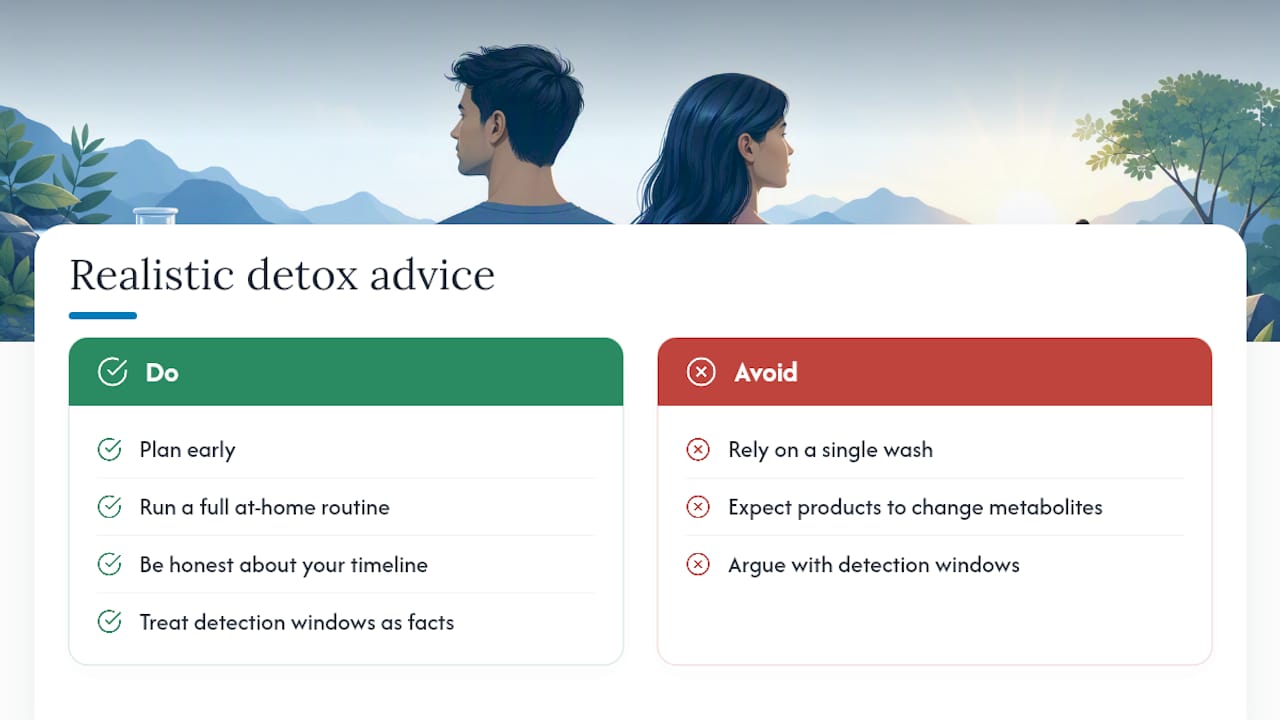
Passhairdrugtest has spent more than 20 years in the hair-testing and detox-product space, building resources around exactly the scalp-versus-body-hair distinction covered above. That experience comes with a responsibility to be straight with you: no shampoo, kit, or protocol changes the chemistry of a metabolite once it’s bonded inside the hair shaft. What products in this category can realistically do is reduce external residue and support a more thorough at-home routine when you have time to run one properly.
Anyone who tells you a single wash guarantees a clean result is oversimplifying a testing method that labs built specifically to be hard to beat. Plan early, be honest about your timeline, and treat detection windows as facts to work around rather than obstacles to argue with.
— MIchael
Getting Ready for a Hair Test With the Right Products
If you’re facing a scalp hair test with weeks of lead time, a multi-step approach gives you the most room to work with. Passhairdrugtest built its business around exactly this timeline problem, offering the Macujo Aloe Rid shampoo and the companion Zydot Ultra Clean rinse as the core of Mike’s Macujo Method, a multi-step at-home protocol designed for people who have real advance notice.

If your timeline is shorter, or you’re staring down a same-week appointment, the detox shampoo comparison guide walks through which products fit which situations, including what’s realistic for last-minute prep versus a planned multi-week routine. None of these products can chemically undo what’s already bonded into your hair, and Passhairdrugtest doesn’t claim otherwise. What they’re built to do is reduce external contamination and give you the most thorough at-home routine available for your specific timeline.
Start by reading through the step-by-step instructions for your situation, whether that’s a scalp test with a month of lead time or a body-hair scenario with almost none, and pick the protocol that actually matches the days you have left before your appointment.
Sources
- PubMed — Study discussing body hair vs scalp hair detection and interpretation
- UNODC — Hair, sweat and oral fluid: technical guide
- LabCorp — Hair drugs of abuse testing (FAQ)
- AlphaBiolabs USA — Can body hair be used for drug testing?
Recommended
- Body Hair Drug Test: What You Need to Know
- Pass hair follicle drug test
- Eyebrow Hair Drug Test: What You Need to Know
- Long Hair Drug Test: What Labs Actually Measure
