Uncategorized
Chlorine Cuts EtG 57%: What Swimmers Should Tell at a Hair Drug Test
Oct
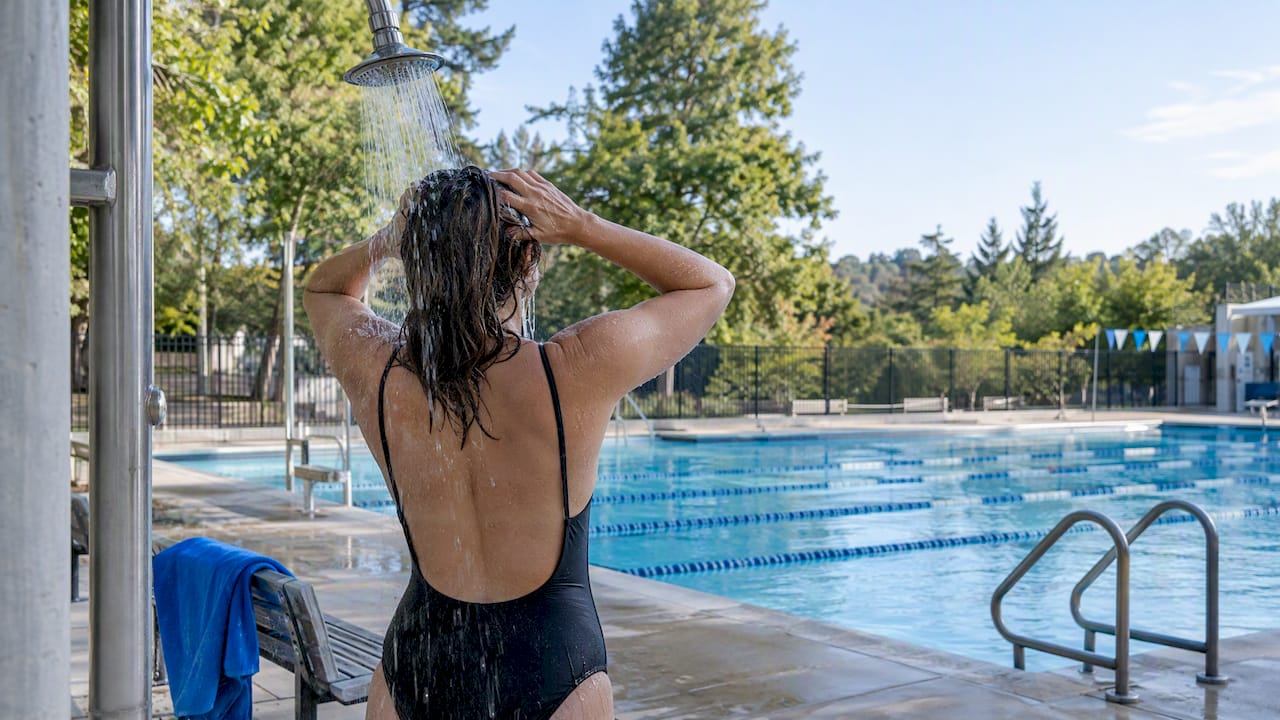
Yes, prolonged or frequent exposure to pool water, especially chlorinated water, can reduce measured drug markers in hair and in some cases contribute to a false negative result. A single short swim is unlikely to matter much. The effect grows with repeated, long exposure and depends heavily on which drug marker is being tested and how sensitive the lab’s cutoff is. The evidence comes from controlled washout experiments and documented case reports, which we break down below along with what to do if you’re tested after regular pool time.
TL;DR:
- Regular, prolonged exposure to chlorinated pool water can significantly reduce detectable drug markers in hair, especially with daily training over weeks.
- Lab wash protocols aim to remove external contamination without stripping internal drug markers, but damage from chlorine and treatments can still affect results.
- Damage to hair cuticles from chemical treatments or UV exposure amplifies analyte washout, increasing the risk of false negatives if recent swimming occurred.
- Being transparent about swimming and hair treatments during testing can help laboratories interpret potential washout effects and avoid invalid results.
- Product-based detox solutions can supplement understanding and preparation but cannot guarantee passing a hair drug test after heavy pool exposure.
Table of Contents
Table of Contents
- What the studies and case reports say about pool water and washout
- How labs wash and interpret hair samples before reporting a result
- Which swimming patterns actually raise the risk of a skewed result
- What to do if you’re tested after a period of heavy swimming
- How PassHairDrugTest.com approaches the science behind these questions
- Why the swimming question gets more attention than it deserves
- Where to find product-assisted options if you want them
- FAQ
- Sources
What the studies and case reports say about pool water and washout
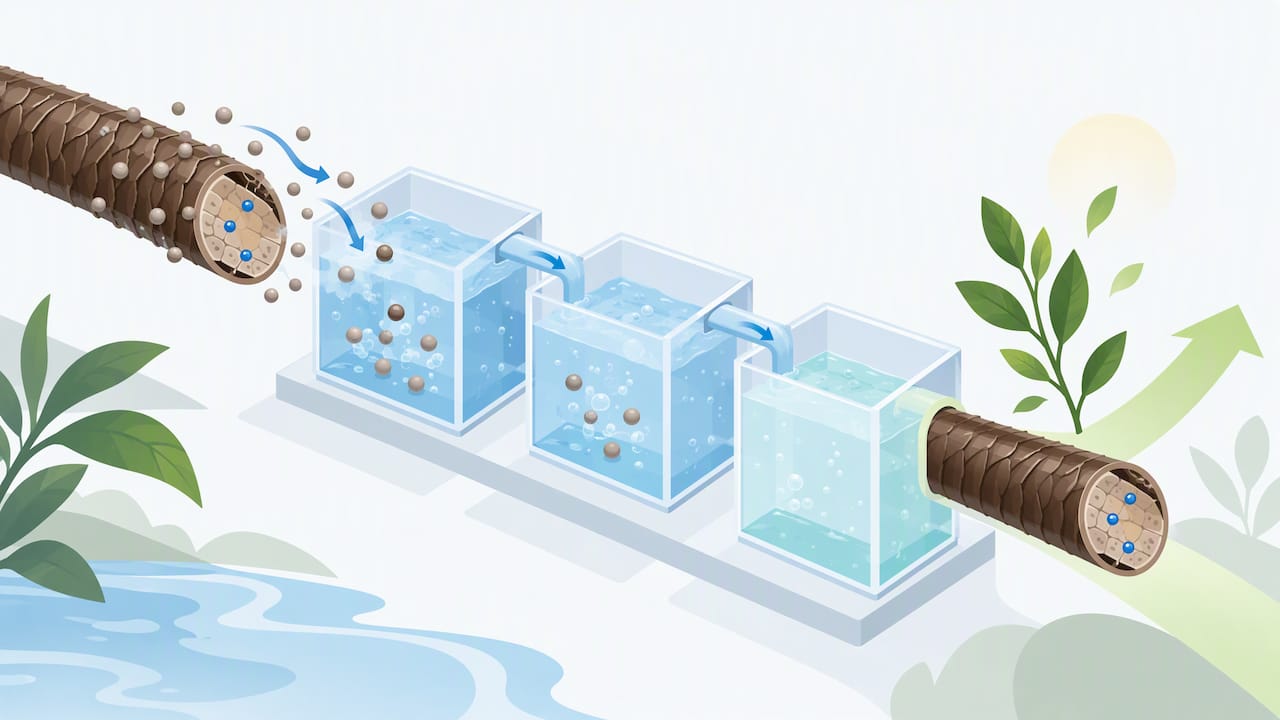
Laboratory experiments back up the idea that chlorinated water pulls drug markers out of hair. In one controlled study, researchers incubated EtG-positive hair in chlorinated swimming pool water for 10 hours and measured a drop in EtG concentration of about 57%, compared to a 47% reduction when the same hair sat in plain deionized water for the same period.
It’s an active chemical process stripping analyte from the hair shaft.
A separate case report and literature review described someone with morphine confirmed in blood testing who still produced a negative hair result. The authors pointed to pool chlorine exposure as one plausible contributing factor, alongside other variables.
Other research puts this in context:
- Cosmetic and chemical treatments like bleaching and perming cause even larger reductions in measured drug concentration than water exposure alone, according to a review of cosmetic and environmental effects on hair testing.
- Everyday hair products and aggressive treatments can cut detectable drug levels by wide margins depending on the substance and method used.
- Washout effects vary significantly by drug class, meaning a reduction documented for one marker does not automatically apply to another.
The sample sizes behind these findings are small, and much of the work happens in controlled, in vitro conditions rather than on live swimmers training daily for months. That gap between lab conditions and real-world swimming routines is exactly why the next section matters.
How labs wash and interpret hair samples before reporting a result
Forensic labs don’t test hair straight out of the bag. They run it through a validated decontamination wash meant to strip external contamination, things like secondhand smoke or residue, without stripping the drug markers that have actually been incorporated into the hair shaft. Getting that balance right is harder than it sounds, and it remains an active area of research on wash protocols.
The Society of Hair Testing consensus guidance recommends that collectors document any known treatments or environmental exposures, use confirmation testing with metabolites rather than relying on a single parent drug, and interpret cutoff results cautiously rather than treating them as absolute.
A few things complicate any single hair result:
- Cutoffs are fixed thresholds, so a concentration that drops just below the line reads as negative even if use occurred.
- Cuticle damage from chlorine, UV exposure, or chemical treatments can open the hair shaft to further analyte loss.
- Lab sensitivity varies, meaning the same hair sample could test differently at two labs.
Pro Tip: If you swim regularly, mention it to the collector before the test, not after an unexpected result comes back.
Federal guidance under the proposed Mandatory Guidelines for Federal Workplace Drug Testing Programs has floated requiring alternate specimen collection or MRO review in certain cases where hair results are ambiguous or invalid.
Which swimming patterns actually raise the risk of a skewed result
Not all pool exposure carries the same weight. A recreational swim once a month barely registers compared to daily training sessions over weeks.
- Brief, occasional swims carry low risk since total chlorine contact time stays minimal.
- Prolonged or daily training stacks up the hours of chlorine contact the washout research measured, raising real risk.
- Hair length and melanin content change vulnerability, since longer hair holds more historical exposure and melanin-rich hair tends to bind drug markers more tightly.
- Cosmetic treatments combined with swimming compound cuticle damage, amplifying analyte loss beyond what either factor causes alone.
- Analyte type and lab cutoff determine whether a given reduction actually flips a result, since some markers sit well above the threshold even after washout.
Washout can lower concentration, but it doesn’t guarantee a negative. Someone with a high starting concentration may still test positive despite heavy pool exposure. If you know a test is coming, avoiding heavy swim training beforehand, keeping a record of your swim schedule, and skipping additional hair treatments before collection are the only moves grounded in the evidence.
What to do if you’re tested after a period of heavy swimming
If you’re a swimmer facing a hair test, a few steps protect you without requiring any guesswork.
- Disclose your swimming schedule and any recent hair treatments honestly on the chain-of-custody form and to the collector directly.
- Ask whether an alternate specimen, urine or oral fluid, is available, since some programs allow or require this when hair results are unclear.
- Keep documentation: pool attendance records, coach or employer statements, and timestamped photos if you have them.
- Avoid additional hair treatments (dye, bleach, perms) until after your result is finalized, since that stacks more variables on top of water exposure.
Pro Tip: If a result comes back unexpected, request the lab’s wash report and have the Medical Review Officer walk through it before accepting the outcome as final.
If the result threatens your job or a legal matter, consulting an employment attorney alongside the MRO review is worth the time it takes.
How PassHairDrugTest.com approaches the science behind these questions
We have long experience in the drug-testing and detox product space, and that background shapes how we write about hair testing: we try to translate lab findings into something a worried reader can actually use. Our hair drug test information page covers testing basics and how to document exposures like swimming for a collector. For procedural detail, our hair follicle drug test information page walks through collection and detection windows, and our science behind hair drug testing page explains how hair incorporates and retains drug markers in the first place. None of this guarantees a specific outcome, and we’re upfront about that.
Why the swimming question gets more attention than it deserves
The research on chlorine washout is real, but it’s also narrow: a handful of controlled experiments and one case report don’t add up to a reliable strategy for passing a hair test. What gets lost in most discussions of this topic is that washout from swimming is modest compared to the reduction that comes from targeted hair treatments. Bleaching and chemical shampoos move concentrations far more than a few laps ever will. If you’re genuinely concerned about an upcoming test, documenting your exposure honestly and understanding your cutoff risk matters more than hoping chlorine does the work for you.
— MIchael
Where to find product-assisted options if you want them
Beyond the science, some readers want a more direct, product-assisted route rather than relying on chlorine exposure alone. We offer hair detox shampoos, multi-step cleansing kits, and instructional guides built around protocols like the Macujo Method, alongside urine, saliva, and blood testing products for other screening types.
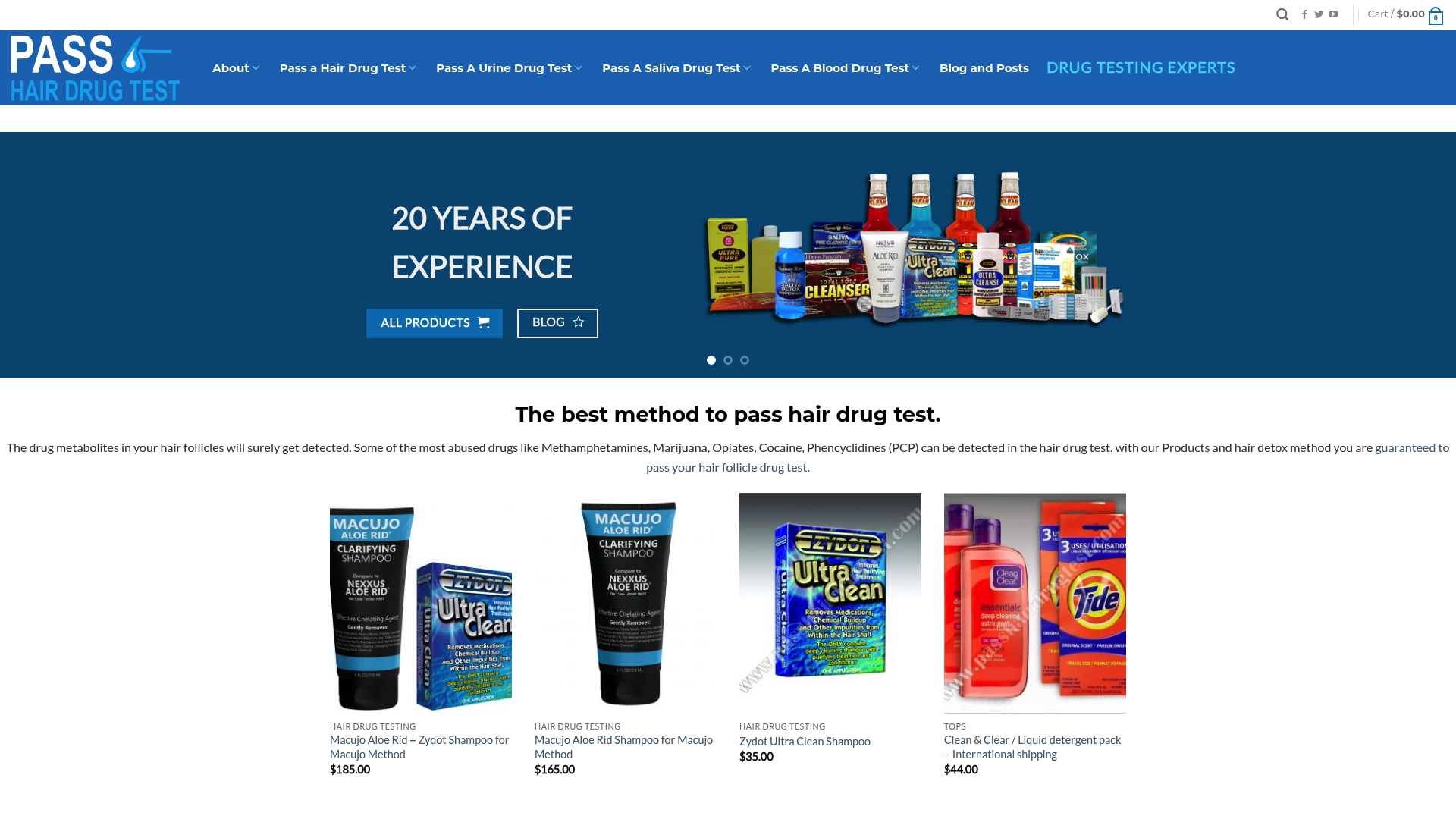
- Browse our full hair, urine, saliva, and blood testing products to compare options.
- Read our guide to hair-cleansing shampoo protocols for step-by-step detail.
- Contact our support team if you have questions about which approach fits your situation.
We don’t promise a specific outcome for any individual case, but these resources are built from extensive experience in this space.
FAQ
What can throw off a hair follicle drug test?
Environmental exposures like chlorinated pool water, UV light, and chemical hair treatments such as bleaching or perming can all reduce measured drug concentrations in hair, according to a review of cosmetic and environmental effects. Cuticle damage from these sources makes it easier for analytes to wash out of the hair shaft, which can complicate interpretation of a result.
Can I pass a hair follicle test in 30 days?
It depends heavily on your usage history, the drug tested, and the lab’s cutoff level, so there’s no universal answer. Hair testing typically captures roughly the past 90 days of growth, meaning a single month of abstinence or exposure changes won’t necessarily clear earlier incorporation.
What disqualifies you from a hair follicle test?
Insufficient hair length for a standard sample, documented recent chemical treatment that a collector flags as invalidating, or a sample that fails the lab’s own quality checks can all affect eligibility. A negative result itself doesn’t disqualify anyone, though an inconclusive or adulterated sample may trigger a retest.
What is the best way to prepare before a hair follicle test if I swim regularly?
Documenting your swim schedule and any recent hair treatments for the collector gives the clearest record if your result needs review later. Avoiding additional chemical treatments and heavy swim sessions immediately before a scheduled test reduces unnecessary variables, though it doesn’t guarantee a particular outcome.
Does chlorine actually remove drugs from hair, or just mask them?
Controlled research shows chlorinated water reduces measured concentration of some markers like EtG by about 57% after 10 hours of incubation, more than plain water does. This appears to be genuine analyte loss from the hair shaft rather than masking, though the effect size varies by drug type and exposure duration.
Sources
- Decrease of ethyl glucuronide concentrations in hair after exposure to chlorinated swimming pool water
- Negative hair test result after long-term drug use. About a case involving morphine and literature review
- Review on hair testing: effects of cosmetic treatments and environmental factors on drug detection
- SoHT general consensus on hair testing (2022)
Recommended
- Facing a Hair Test: Can Relaxers Reduce Drug Levels to 5–67%
- How Can I Pass a Hair Drug Test?
- How to pass hair drug test
- Bleach Lowers Lab Numbers but Doesn’t Guarantee a Negative Drug Test
