Uncategorized
72, 48, 24 Hours: Last Minute Hair Detox Backed by Research
Sep
A last-minute hair detox is unlikely to fully clear a 90-day detection window, but it can lower surface residue enough to matter in some cases. The single highest-value move is to stop use immediately and begin the most aggressive safe washing routine you can manage right away. Go in with realistic expectations: labs are built to catch exactly this kind of scramble.
TL;DR:
- Repeated chelating washes starting 72 hours before collection can reduce surface residue but are unlikely to eliminate metabolites embedded in the hair shaft.
- Intensifying washing cycles between 48 and 24 hours out targets scalp and root areas, while avoiding chemical treatments like bleach or dye that are easy to detect.
- Final washing within 24 hours should be thorough, with no styling products applied, and hair should be dried carefully to prevent damage or residue.
- Labs analyze the first 1.5 inches of hair, which reflects about 90 days of growth, making internal drug incorporation resistant to quick removal through washing.
- Controlled studies show detox shampoos can reduce THC levels, but only with intensive, repeated treatment under lab conditions, and results vary based on many factors.
Table of Contents
Table of Contents
- What to do in the last 72, 48, and 24 hours
- Why hair testing makes a quick fix so hard
- What lab studies actually show about detox products
- A step-by-step protocol you can start now
- The Macujo Method and what PassHairDrugTest.com recommends
- How labs spot tampering and what it costs you
- If you cannot get your hair clean in time
- What I want you to walk away with
- Where to get guided kits and support
- Sources
- FAQ
What to do in the last 72, 48, and 24 hours
Time remaining changes what is worth attempting. The more hours you have, the more washing cycles you can complete, and repetition matters more than any single product.
With 72 or more hours before collection, focus on repeated clarifying and chelating washes. A chelating shampoo binds metals and residue in the hair shaft, and running several cycles a day, rather than one long soak, gives you more chances to strip surface buildup. This window is also the time to try a home mock test if you can get one, since it gives you a read on where you stand before the real appointment.
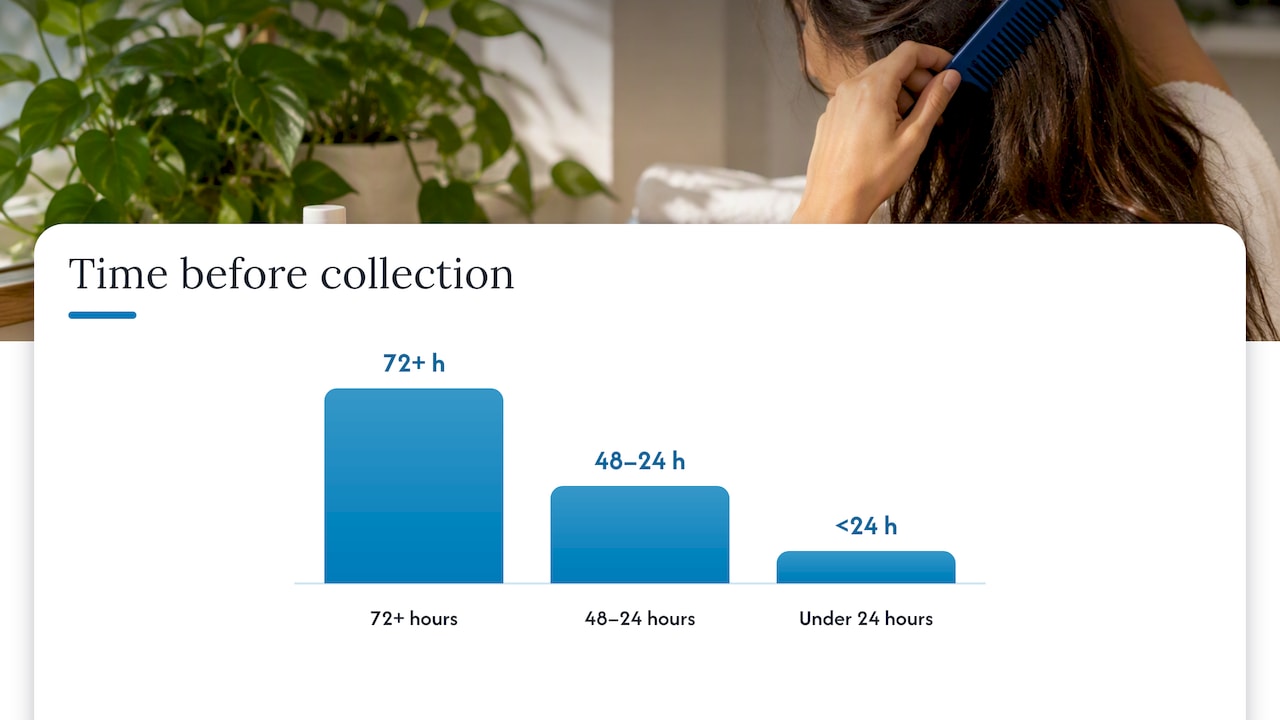
With 48 to 24 hours left, intensify the washing cycles but stop touching the hair with anything cosmetic. Bleaching or dyeing now is a visible red flag to a collector and a lab, and it will not undo weeks of incorporation anyway. Concentrate scrubbing on the scalp and the hair closest to the root, since that segment is what gets tested. Keep hair away from smoke, secondhand exposure, and anything that could add fresh contamination on top of an already difficult situation.
In the final 24 hours, do one last thorough clarifying wash, dry carefully without high heat that could damage the shaft, and skip all styling products. Gels, oils, and sprays can leave residue that complicates a clean read and may draw attention during collection. Walk into the appointment with a clear idea of what to expect: how much hair will be taken, from where, and what you are allowed to say if asked about recent hair treatments.
- 72+ hours out: run repeated chelating washes and consider a home mock test to check progress.
- 48 to 24 hours out: wash more often, avoid bleach or dye, and protect hair from new contamination.
- Under 24 hours: do a final clarifying wash, skip styling products, and know what collection involves.
Pro Tip: Space washes out through the day instead of doing one marathon session; hair fiber tolerates repeated short washes better than one long soak.
Why hair testing makes a quick fix so hard
Standard lab testing does not look at your whole head of hair. It targets the first 1.5 inches closest to the scalp, which represents roughly 90 days of growth at typical growth rates, and collectors generally take somewhere around 100 to 120 strands to have enough material to test and confirm.
The reason a fast wash struggles against that window comes down to how drugs get into hair in the first place. Metabolites enter through the bloodstream and become part of the hair structure as it forms at the follicle, not just sitting on the surface where a shampoo can reach them. External deposits from smoke or handling can also land on the hair, but internal incorporation is the harder problem, and it is not something a wash cycle reverses quickly.
Collection logistics matter here too. Labs use the proximal segment, the part nearest the scalp, because it reflects the most recent growth. Body hair, when head hair is unavailable, has different growth patterns and a wider, less precise detection window.
- The proximal 1.5 inches of hair covers about a 90-day window, so a single recent wash cannot touch older growth.
- Drugs incorporated into the hair shaft through the bloodstream sit deeper than surface contamination and resist quick removal.
- Distinguishing ingestion from environmental exposure is genuinely difficult even for trained analysts, which limits how much credit washing alone gets.
A single wash, or even a few, mostly affects what is sitting on the outside of the hair. That is a meaningful piece of the picture, but it is not the whole picture, which is why realistic last-minute plans focus on volume and repetition rather than one perfect product.
What lab studies actually show about detox products
Controlled research gives a more grounded picture than forum claims do, and it is a mixed one. Everyday products and dedicated detox shampoos can measurably lower THC concentrations in hair, but the conditions in those experiments were far more intensive than a typical morning shower.
A controlled in vitro study found mean THC reductions ranging widely by product, with reductions around half to two-thirds under repeated intensive treatments (e.g., 52% for Zydot shampoo and 65% for Desderman disinfectant) after repeated 30-minute washes and rinses on THC-positive hair samples, which tells you the effect is real but depends heavily on how aggressively and how often the treatment is repeated, under intensive laboratory conditions. That is a lab protocol, not a casual rinse, and it does not guarantee the same result on a live human head under time pressure.
Several caveats matter as much as the headline numbers:
- Results varied by product, drug class, and the hair’s initial concentration, so no single number applies to every case.
- Hair color and cosmetic history change how drugs bind and how easily they release during washing.
- Environmental contamination complicates interpretation further, since labs cannot always tell exposure apart from ingestion, which cuts both ways for someone hoping a wash will explain away a positive result.
- Reviews of manipulation testing note that some detox products show inconsistent effectiveness in single-use studies, with only one of several tested products producing a large reduction after extended incubation, reinforcing that repeated, prolonged application is what most real-world reports describe.
The gap between forum-level intensity and what controlled studies actually test is real, and it is worth reading how detox shampoos perform against that evidence before assuming any single product is a guaranteed fix.
A step-by-step protocol you can start now
This sequence is built for someone with limited time who still wants to do this as carefully as possible.
- Assemble your supplies first. Get a clarifying or chelating shampoo, a small brush or comb for scalp work, and a clean towel before you start, so you are not stopping mid-routine.
- Do a quick patch test. Apply a small amount of any new product to a small area of skin and wait a few minutes to check for irritation before using it on your whole scalp.
- Wash in cycles, not one long soak. Apply shampoo, work it into the scalp for two to three minutes, rinse fully, then repeat two to three more times in the same session.
- Scrub the scalp, not just the hair. Use gentle circular motions with your fingertips or a soft brush to loosen buildup at the root, where the most recent growth sits.
- Skip plucking unless a specific protocol tells you to. Pulling hair can leave visible marks and does not solve the underlying incorporation issue.
- Rinse thoroughly after every cycle. Leftover shampoo residue can itself complicate a clean read, so rinse until the water runs clear.
- Condition lightly at the end. A light conditioner helps offset the dryness from repeated washing without adding heavy buildup back into the hair.
- On collection day, use nothing. No gels, oils, or sprays. Arrive with clean, product-free hair and be ready to answer honestly if asked about recent treatments.
Pro Tip: Keep a simple log of when you washed and with what, so if you get a chance for a mock test, you know exactly what stage of the routine produced the result.
Avoid mixing bleach, ammonia-based products, or other harsh chemicals on your own. Beyond the damage to your hair, these treatments are often visually detectable and can trigger closer scrutiny rather than avoiding it. A detailed home protocol walks through timing and technique in more depth if you have even a little more runway than a same-day scramble.
The Macujo Method and what PassHairDrugTest.com recommends
Mike’s Macujo Method is a multi-step hair cleansing protocol built around specific products applied in sequence, rather than a single wash. PassHairDrugTest.com, which states it has more than 20 years of experience in the drug-testing and detox-product space, built its hair-cleansing guidance primarily around this method along with two named products: Macujo Aloe Rid Shampoo and Zydot Ultra Clean Shampoo.
The publisher’s materials walk through the order of application, the ingredients that pair with each shampoo step, and how to adjust the routine for heavier or lighter use. Phone support is available for people working through the steps, which matters given how easy it is to get the sequence or timing wrong under pressure.
For verification, the publisher points readers toward home mock testing before the real appointment, so you get a signal on where you stand rather than guessing. If a mock test still comes back unfavorable, that is the point to seriously weigh the alternatives covered later in this article rather than escalating to riskier chemical experiments. A general primer on how hair drug tests work is a useful companion to any specific protocol you follow.
How labs spot tampering and what it costs you
Labs are not naive about last-minute efforts. Analysts visually inspect hair for signs of bleaching or dyeing, and they can flag inconsistent extraction results that suggest something was done to the sample. Some testing programs also use biomarkers like PTCA to help distinguish cosmetic treatment from routine hair care, though researchers acknowledge this distinction is imperfect even under controlled review.
- Visible chemical damage or discoloration can prompt collectors to note it and labs to run additional confirmatory analysis.
- Odd metabolite ratios or extraction inconsistencies can trigger a flag in lab reporting even without an obvious visual sign.
- An invalid or flagged sample often means a recollection request, which restarts the clock rather than ending the process.
Beyond the testing risk, aggressive chemical mixes carry real health downsides: scalp burns, allergic reactions, and hair shaft damage are all possible when products are combined or overused outside their intended directions. Treat safety as the actual constraint here, not an afterthought.
If you cannot get your hair clean in time
If a mock test or your own read on the situation says you are not going to pass, look at your options before the appointment rather than during it. Some employers allow an alternative specimen type, such as urine or oral fluid, if you ask early enough, and each carries its own detection window and tradeoffs worth understanding before you request a switch.
Requesting a retest or a short reschedule is sometimes possible, particularly if you can document a legitimate prescription for a substance that might otherwise trigger a positive result. That documentation can matter more than any last-minute product.
Longer term, the more reliable path is a real abstinence window paired with consistent detox hygiene well before a test is scheduled, rather than a scramble the night before.
What I want you to walk away with
If you are reading this the night before a test, treat any detox routine as damage control, not a guarantee. The biology of hair incorporation is stubborn, and the research backs that up.
What I would avoid is mixing your own chemical cocktail out of desperation. That risks your scalp and your hair, and it often makes tampering more obvious, not less. Lean on tested protocols and ask for support if you are unsure of a step.
— MIchael
Where to get guided kits and support
Detox shampoos, multi-step cleansing kits, and home test kits built specifically around the Macujo-style protocol described above are available, along with support for people working through the steps under time pressure.
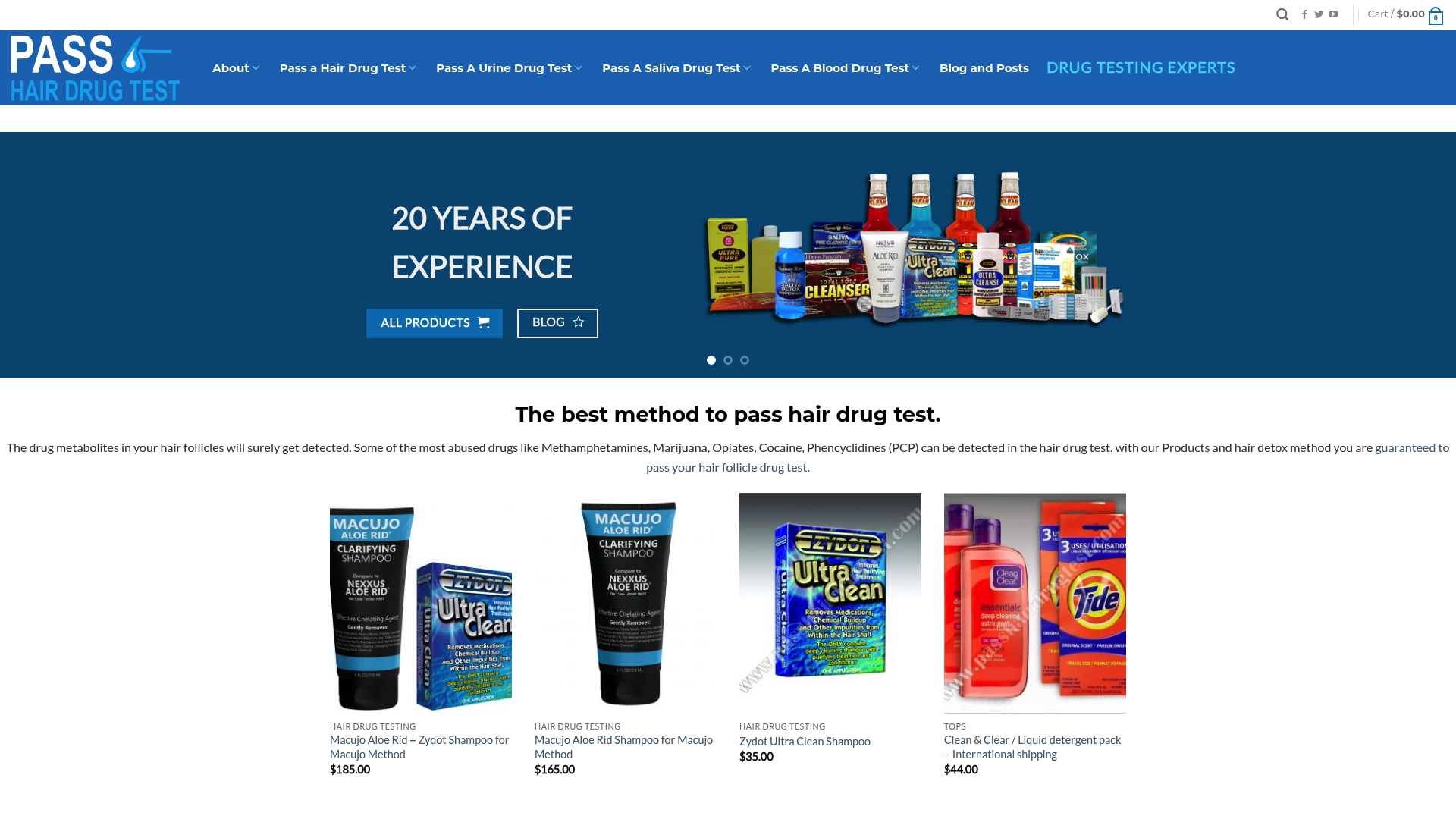
If you would rather follow a structured kit than assemble supplies piecemeal at the last minute, the product catalog lists the shampoos and kits built for this situation. For the full sequence and product pairing, the step-by-step shampoo protocol walks through timing in more detail than a same-day scramble usually allows.
- Detox shampoos and multi-step cleansing kits built around a Macujo-style routine.
- Home hair drug test kits for checking your status before the real appointment.
- Support for questions about sequencing, timing, or product selection.
Sources
- Manipulation of THC hair concentrations by commercially available products (PMC)
- Detecting drugs in hair: distinguishing drug use from environmental contamination (NIJ)
- Quest hair drug test collection guide
FAQ
What can throw off a hair follicle test?
Environmental exposure to smoke or contaminated surfaces can deposit drug residue on hair without ingestion, which is why distinguishing contamination from use is genuinely difficult even for trained analysts. Cosmetic treatments like bleaching can also lower measured concentrations, sometimes prompting extra scrutiny rather than a clean pass.
How can I detox my hair?
Repeated clarifying or chelating washes over multiple sessions are the most evidence-supported approach, since controlled studies show measurable reductions only after intensive, repeated treatment rather than a single wash. Focus on the scalp and root area, since that is the segment labs actually test.
What shampoo can I use to detox my hair before a drug test?
Chelating or clarifying shampoos designed to strip buildup are the standard choice, and dedicated products like Zydot Ultra Clean Shampoo are built specifically for this purpose. Effectiveness varies by product and how intensively it is used, so check how detox shampoos actually perform before relying on one alone.
What is the most effective at-home hair follicle drug test?
The most useful option is a home mock test taken a day or two before your real appointment, since it gives you a direct read on your status rather than a guess. Results vary by product sensitivity, so treat a home test as a planning tool rather than a certainty.
Recommended
- Match Your Hair Detox Kit to Your Test Date, Backed by 20+ Years of Protocols
- Home Hair Detox: Realistic Protocol and Verification Guide
- Best Hair Detox Shampoo for Hair Follicle Drug Tests
