No products in the cart.
Uncategorized
How Long Does Meth Stay Detectable in Hair?
26
Aug
Aug
Standard hair follicle testing detects methamphetamine for roughly 90 days after use, based on a 1.5-inch scalp hair sample taken close to the scalp. That’s the industry benchmark used by Labcorp and most workplace testing programs, but it’s a range, not a guarantee.
A few things shift that window in practice:
- Meth typically becomes detectable in hair several days after use, since it takes time to grow up through the follicle and shaft.
- One peer-reviewed study found methamphetamine still detectable at a 0.2 ng/mg cutoff in 16% of subjects three to four months after abstinence, well past the standard 90-day mark.
- Cutoff levels, how often someone used, hair color, and the specific lab’s methods all change what actually shows up on a report.
None of these numbers are fixed law. They’re averages pulled from controlled studies, and your actual result depends on biology and lab procedure as much as timing.
Table of Contents
Key Takeaways
Meth detection in hair typically spans about 90 days, but individual results depend heavily on dose history, hair melanin content, and the specific lab cutoff applied.
| Point | Details |
|---|---|
| Standard window is 90 days | A 1.5-inch scalp sample reflects roughly three months of growth at the average rate of 0.5 inch per month. |
| Detection isn’t absolute at 90 days | One study found 54% of subjects tested positive at 90 days, with some still positive after 3 to 4 months. |
| Two-step lab confirmation is standard | Screening via ELISA gets confirmed through GC-MS or LC-MS/MS before any result is treated as final. |
| Melanin and dose drive variability | Darker, higher-melanin hair and more frequent use both raise the odds of a longer detection window. |
| Passhairdrugtest sells prep products, not guarantees | Detox shampoos and step-by-step protocols are available for readers preparing for a test, alongside honest guides on realistic expectations. |
Table of Contents
- What Does the Meth Hair Detection Time of 90 Days Actually Mean?
- How Does Hair Follicle Collection Work?
- How Do Labs Confirm a Positive Meth Result?
- What Factors Change How Long Meth Stays Detectable?
- Can Labs Pinpoint When Meth Was Used?
- How Long Until You Get Hair Test Results?
- How Accurate Are Meth Hair Tests, and What Can Go Wrong?
- Why the “90-Day Rule” Gets Oversimplified
- Where to Find Hair Detox Products and Testing Guides
- Sources
What Does the Meth Hair Detection Time of 90 Days Actually Mean?
The 90-day figure isn’t arbitrary. It comes from basic hair biology: scalp hair grows at an average rate of about half an inch per month, so a standard 1.5-inch sample taken at the scalp represents roughly three months of growth, according to Labcorp’s testing guidelines. Cut a longer segment, and you’re looking further back. Cut it shorter, and you’re not.
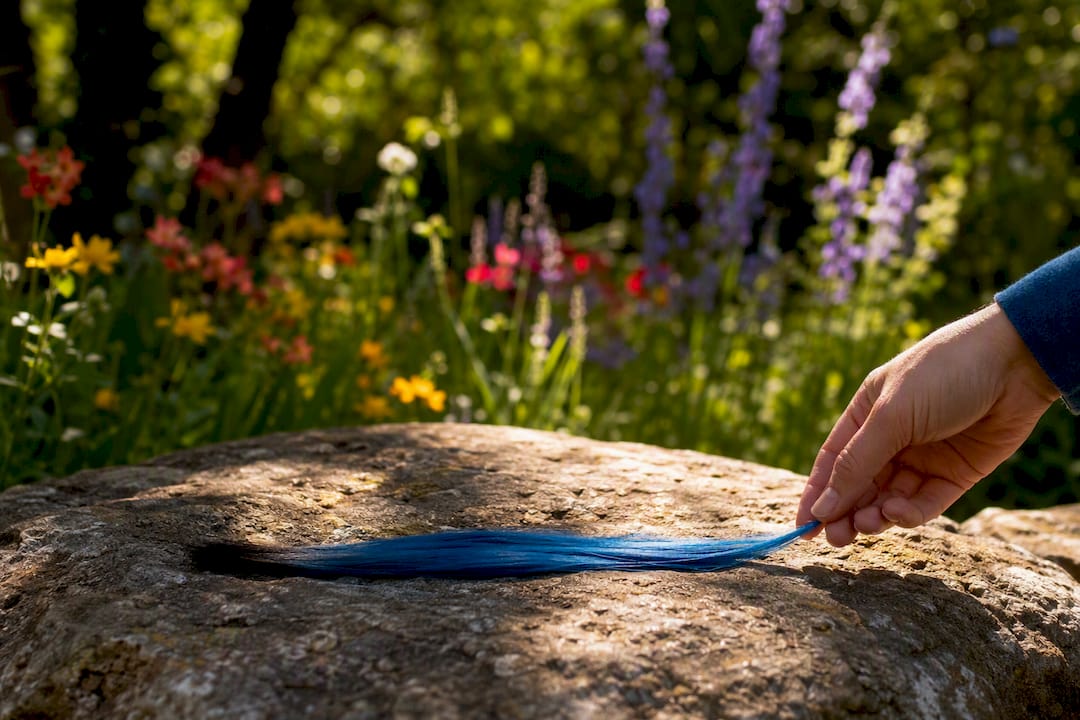
But averages hide a lot of variation, and the research backing this window shows it. In one forensic study, 54% of subjects tested positive for methamphetamine up to 90 days after abstinence using a 0.2 ng/mg cutoff. That means nearly half the group tested negative within the same window, at the same cutoff. Detection isn’t a light switch. It’s a probability that drops as time passes, influenced by dose, frequency, and how the drug incorporated into that person’s hair in the first place.
So “90 days” functions as a practical planning number, not a hard boundary where the drug simply vanishes from the hair shaft.
A few scenarios shrink the effective window regardless of the biology:
- Very short hair limits how much growth history is available to sample.
- Shaved heads force labs to use body hair, which grows more slowly and unevenly, making the 90-day math unreliable.
- Heavy, chronic use tends to push detection windows longer because more of the drug gets deposited into the hair matrix over time.
The Society of Hair Testing has helped standardize cutoffs like 0.2 ng/mg across labs specifically because these variables make raw detection claims hard to compare study to study.
How Does Hair Follicle Collection Work?
Hair follicle testing works nothing like a urine or blood draw. A collector snips a small sample of hair, usually about the diameter of a pencil, as close to the scalp as possible. They keep the proximal 1.5-inch section, since that portion reflects the most recent growth. The follicle itself stays under the skin. Nobody’s pulling hair out by the root.
Once meth enters the bloodstream, it reaches the hair follicle through the blood supply feeding the hair bulb. Some of the drug also transfers into the shaft through sweat and sebum as the hair pushes up and out of the scalp. Either way, the drug gets locked into the keratin structure as the hair grows, creating a rough timestamp of use that stays put until the hair is cut or falls out.
That’s the fundamental difference between hair testing and other test types:
- Urine and blood tests detect recent use, typically within the last few days.
- Saliva tests cover an even shorter window, often just hours to a couple of days.
- Hair tests detect a pattern of use stretching back weeks or months, since the drug accumulates rather than clears.
If you want a fuller breakdown of what actually gets collected during testing, Passhairdrugtest’s hair follicle drug test information page walks through sample handling in more detail. Hair testing isn’t built to catch what someone did last night. It’s built to catch a pattern.
How Do Labs Confirm a Positive Meth Result?
Labs don’t rely on a single test to call a result positive. They run a two-step process specifically to avoid false positives, and understanding both steps matters if you’re trying to interpret a report.
Step one is screening, usually through an immunoassay method like ELISA. This is a fast, relatively cheap test designed to flag anything that might contain methamphetamine or related compounds. It’s sensitive, but not especially specific, meaning it can occasionally flag something that isn’t actually meth.
Step two is confirmation, using gas chromatography-mass spectrometry (GC-MS) or liquid chromatography tandem mass spectrometry (LC-MS/MS). These methods identify the exact molecular structure of what’s in the sample, which is why they’re the gold standard for legally defensible results. Labcorp reports that negative screens are often available within 48 to 72 hours of lab receipt, while confirmation testing on a presumptive positive adds roughly another 72 hours.
Sensitivity matters here too. Validated UHPLC-MS/MS methods can quantify amphetamines in hair down to calibration ranges as low as 0.02 ng/mg, with some method-specific detection limits even lower. That precision is a double-edged sword:
- Lower cutoffs catch lighter, less frequent use.
- Lower cutoffs also increase the odds of flagging trace-level exposure that wouldn’t be considered meaningful use in a clinical sense.
That’s why the specific cutoff a lab uses (commonly around 0.2 ng/mg in forensic literature) directly shapes how many people test positive, independent of how much someone actually used.
What Factors Change How Long Meth Stays Detectable?
Two people with identical usage histories can get different results from the same lab, and it’s not a lab error. It’s biology and behavior stacking up in unpredictable ways.
Dose and frequency matter most. Someone who used meth once at a low dose weeks ago incorporates far less drug into the hair shaft than someone using multiple times a week. Chronic users show higher concentrations and a longer effective detection window simply because more of the drug had opportunities to bind into the hair over time.
Hair melanin content plays a bigger role than most people expect. Controlled dosing studies found that methamphetamine concentrations in hair correlated strongly with melanin levels, meaning darker, higher-melanin hair tends to retain more of the drug than lighter hair exposed to the identical dose. This isn’t a minor footnote. It’s one of the most significant sources of between-person variability in the research.
External factors add more noise on top of that:
- Bleaching and coloring can degrade hair structure and alter measured concentrations, though not in a consistent or predictable direction.
- Heavy washing routines can reduce surface-level drug residue somewhat, but they don’t reach what’s incorporated into the internal hair matrix.
- Environmental contamination (secondhand smoke exposure, for example) is a real concern labs try to control for through washing protocols before testing.
Pro Tip: If you’re researching what actually happens biologically once meth enters hair, don’t assume any external product changes what’s already bound inside the shaft. Surface treatments interact with the outer cuticle, not the internal structure where accumulated drug residue sits.
Add in normal inter-laboratory variability, and you get a system where the same hypothetical sample could produce slightly different readings depending on which lab ran it and which cutoff they applied.
Can Labs Pinpoint When Meth Was Used?
Segmental analysis lets labs cut a hair sample into shorter sections instead of testing the full 1.5 inches as one unit, giving a rough timeline of when use likely occurred rather than just confirming that it happened sometime in the last 90 days. It’s the closest hair testing gets to a calendar.
Here’s how it plays out in practice:
- Collection: The lab takes the full sample and physically divides it into segments, often about 0.5 inch each, corresponding to roughly one month of growth per segment.
- Testing: Each segment gets analyzed separately, and drug concentrations are compared segment to segment to identify which period shows the highest exposure.
- Interpretation: Higher concentrations in a specific segment suggest use during that approximate window, though growth-rate variability means the estimate carries real uncertainty rather than precision.
Controlled administration research backs up rough timing expectations. In one study, methamphetamine and amphetamine first appeared in hair within 6 to 8 days after dosing and typically peaked within the first one to two weeks. But researchers also flagged substantial variability between subjects, which is exactly why segmental results get reported as estimates, never exact dates.
How Long Until You Get Hair Test Results?
Turnaround time depends entirely on whether a sample comes back negative or requires confirmation testing.
- Negative screens are typically the fastest outcome, often reported within 48 to 72 hours of the lab receiving the sample.
- Presumptive positive screens trigger a second round of confirmatory testing using GC-MS or LC-MS/MS, which adds roughly another 72 hours before a final result is issued.
- A “screen nonnegative” result is not the same as a confirmed positive. It means the initial immunoassay flagged something, not that methamphetamine has been definitively identified.
- A confirmed positive means the sample passed both screening and mass spectrometry confirmation, which is the result employers and legal proceedings generally rely on.
If you receive an unexpected positive, ask for the confirmation method used, the specific cutoff applied, and documentation of chain-of-custody procedures. A legitimate lab should have no issue producing that paperwork, and reviewing it is the only real way to evaluate whether a result holds up.
How Accurate Are Meth Hair Tests, and What Can Go Wrong?
Confirmation testing exists precisely because screening alone isn’t reliable enough to stand on its own. Research on routine lab operations found that authentic hair samples show meaningfully more variation than the spiked samples used to validate a testing method in the first place. Real hair is messier than a controlled reference sample, which is exactly why GC-MS and LC-MS/MS confirmation matter so much before any result gets treated as final.
A positive hair test result reflects past exposure or accumulated drug residue in the hair shaft. It does not, by itself, indicate recent impairment or how much was used on any single occasion.
Contamination is a genuine concern labs work to control, not eliminate entirely:
- External exposure to meth smoke or residue can theoretically deposit trace amounts on the hair’s surface.
- Labs typically wash samples before testing specifically to reduce surface contamination before analysis begins.
- Some labs run additional metabolite testing, since the presence of certain metabolites is harder to explain through passive exposure alone.
If you want a deeper look at what actually drives false positives and how labs guard against them, Passhairdrugtest’s page on hair drug test accuracy breaks down the science behind those safeguards.
Why the “90-Day Rule” Gets Oversimplified
Most articles on this topic treat 90 days like a clean deadline, and that’s the part worth pushing back on. The actual research paints a messier picture: a little over half of subjects in one study tested positive at 90 days, and a meaningful minority stayed positive well beyond that. Treating 90 days as a hard cutoff, in either direction, misreads what the data actually shows.
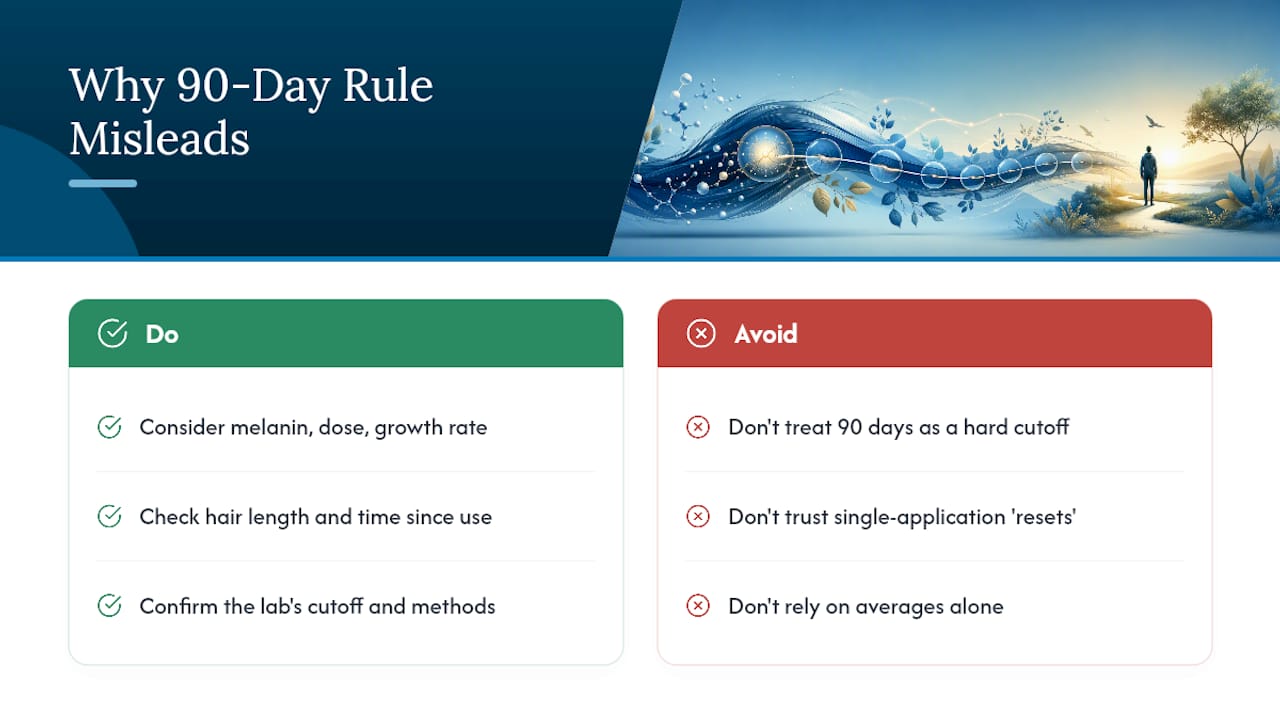
Passhairdrugtest has spent more than 20 years in the drug-testing and detox-product space, and one thing becomes clear fast: people want a fixed number because uncertainty is uncomfortable. But hair biology doesn’t work with round numbers. Melanin content, dose history, and individual growth rates all interact in ways no single formula fully captures. That’s also why claims about “resetting” 90 days of accumulated drug residue with a single product application deserve skepticism. Hair testing measures what’s already locked into the shaft. Nothing applied externally reaches that internal structure the way people assume it does.
What actually matters is understanding your own situation: how much time has passed, what your hair length allows for sampling, and what the specific lab’s cutoff and methods are. That’s a more useful starting point than chasing a number that was always an average, not a promise.
— MIchael
Where to Find Hair Detox Products and Testing Guides
If you’re trying to prepare for an upcoming hair follicle test rather than just understand the science behind it, Passhairdrugtest built its entire catalog around that exact need. The site carries detox shampoos, including the Macujo Aloe Rid Shampoo and Zydot Ultra Clean formulas, along with step-by-step protocols like the multi-step Mike’s Macujo Method for readers who want a structured approach rather than guesswork.
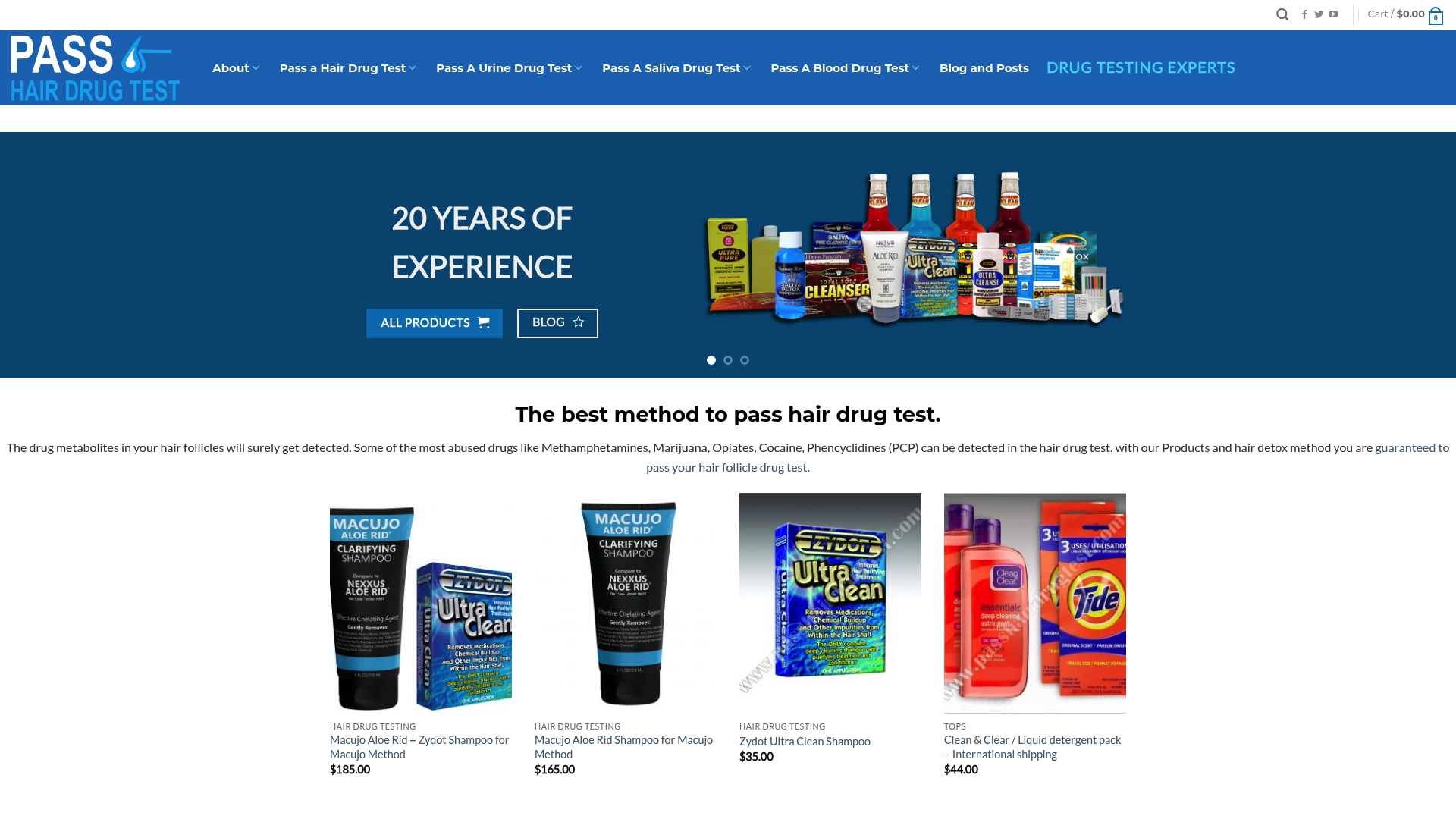
Not every product on the market comes with clear instructions or a straightforward return policy, and that gap is exactly where a lot of people waste money on products that don’t match their situation. Before buying anything, look for a seller who explains the protocol honestly, states realistic expectations, and backs the product with a real return policy rather than vague marketing claims.
For a full walkthrough of testing procedures and product options tailored to your timeline, visit the hair follicle drug test guide to see which approach fits your specific hair length and time frame before your test date arrives.
Sources
- Hair Follicle Drug Testing: Process & Benefits | Labcorp
- Duration of detection of methamphetamine in hair after abstinence
- Incorporation of methamphetamine and amphetamine in human hair following controlled oral methamphetamine administration
- Segmental analysis of amphetamines in hair using a sensitive UHPLC‑MS/MS method
This article is general information, not a substitute for advice from a qualified doctor. Consult a qualified healthcare professional about your own circumstances before acting on anything here.
Recommended
- How to Pass a Drug Test on Hair Follicles? – Pass Hair Drug Test
- Long Hair Drug Test: What Labs Actually Measure
- Cocaine Drug Testing Archives – Pass Hair Drug Test
- How Can I Pass a Hair Drug Test? – Pass Hair Drug Test
