Uncategorized
Bentonite Clay and Hair Drug Tests: What the Evidence Shows
Aug
Bentonite clay will not reliably help you pass a hair follicle drug test. That is the short answer, and the science behind it is worth understanding before you try anything. The clay works as an adsorbent, meaning it binds to oils, product residue, and surface-level contaminants on the outside of the hair strand. Drug metabolites, however, are not sitting on the surface. They are embedded inside the cortex of the hair shaft, locked in during the growth process itself. Lab studies on household and commercial hair treatments do show that some agents can reduce measured drug concentrations, but the reductions are variable, often incomplete, and labs using LC-MS/MS instrumentation can still detect residues well below standard cutoffs. There is also a safety dimension: bentonite clay carries real contamination risks, and labs are trained to flag samples that show signs of treatment.
Key facts at a glance:
- Bentonite clay targets surface oils and buildup, not cortex-embedded metabolites
- Lab studies report mean concentration reductions of 52%–65% for some agents, but that still leaves detectable residue in many cases
- The FDA does not regulate bentonite clay products, so purity and effectiveness are not guaranteed
- Labs can detect treated or damaged hair and may request an alternate sample matrix
Table of Contents
Key Takeaways
Bentonite clay cannot reliably remove drug metabolites from inside the hair shaft, and no topical treatment guarantees a negative result on a hair follicle drug test.
| Point | Details |
|---|---|
| Clay works on the surface only | Bentonite adsorbs oils and buildup but cannot reach metabolites embedded in the hair cortex. |
| Studies show partial reductions | Lab research reports mean concentration drops of 52%–65% for some agents, but partial reductions often still test positive. |
| Labs detect treated samples | Anomalous damage patterns and concentration profiles can flag a sample as compromised, triggering alternate testing. |
| Safety risks are real | Heavy-metal contamination and allergic reactions are documented concerns; always use cosmetic-grade clay with third-party testing. |
| Passhairdrugtest offers structured kits | Multi-step shampoo kits with documented protocols provide a more targeted approach than DIY clay masks for pre-test preparation. |
Table of Contents
- How people use bentonite clay as a hair detox
- Where drug metabolites actually live in your hair
- What peer-reviewed studies actually found
- Why clay treatments often fail, and how labs spot them
- Health and safety risks worth knowing before you try this
- Realistic options for someone facing a hair follicle test
- How labs and employers typically respond to a flagged sample
- An honest look at what this evidence actually means
- What Passhairdrugtest offers for pre-test hair cleansing
- Sources
How people use bentonite clay as a hair detox
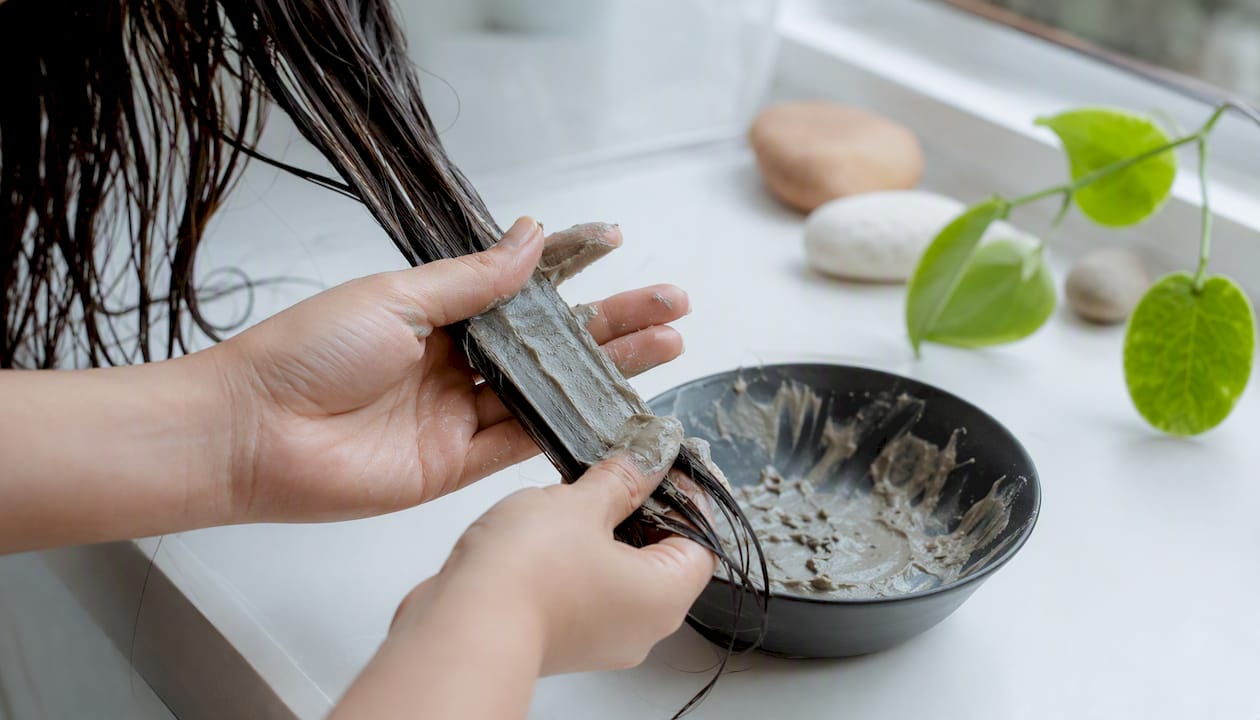
The most common DIY protocol combines bentonite clay (often sold as Aztec Secret Indian Healing Clay) with apple cider vinegar and aloe vera gel. Consumer hair-care guides describe the standard approach as a scalp mask applied for 20–30 minutes before rinsing thoroughly. Here is how the typical recipe goes:
- Mix the clay. Combine equal parts bentonite clay powder and apple cider vinegar in a non-metal bowl. Metal reacts with the clay and degrades its charge. Stir until smooth, then fold in a tablespoon or two of aloe vera gel to reduce scalp irritation.
- Section and apply. Divide hair into sections. Apply the mixture from root to tip, working it into the scalp. Focus on the scalp and the first inch or two of hair closest to the root, since that is the segment a hair test lab will cut.
- Cover and wait. Place a plastic shower cap over the hair. Leave on for 20–30 minutes. Do not let the clay dry completely on the scalp; dried clay can be difficult to remove and may cause irritation.
- Rinse thoroughly. Use lukewarm water and rinse until the water runs completely clear. Clay residue left on the scalp can cause itching and flaking.
- Follow with a gentle shampoo. A clarifying or sulfate-based shampoo helps remove any remaining clay particles.
- Condition. Apple cider vinegar can raise the cuticle and leave hair feeling rough. A moisturizing conditioner helps restore the cuticle layer.
Dos and don’ts:
- Do a patch test on your inner arm 24 hours before applying to your scalp
- Do use cosmetic-grade or food-grade clay, not industrial or construction-grade material
- Do keep the mixture away from your eyes, nose, and mouth
- Do not inhale the dry powder when mixing
- Do not use a metal bowl or metal spoon
- Do not leave the mask on until it cracks and fully dries
Pro Tip: Buy clay that comes with a certificate of analysis from a third-party lab confirming heavy-metal levels, particularly lead. Bentonite sourced from different geological deposits varies widely in purity, and some batches have tested above safe thresholds for lead.
Where drug metabolites actually live in your hair
Understanding why bentonite clay has such a limited effect on a hair follicle drug test starts with basic hair anatomy.
Hair grows from the follicle at roughly half an inch per month. As each strand forms, blood-borne compounds, including drug metabolites, get incorporated into the developing keratin structure inside the cortex, the dense inner layer of the shaft. Once the hair hardens and exits the scalp, those metabolites are physically locked inside the protein matrix. They are not sitting on the surface where a clay mask can reach them.

The cuticle is the outermost layer: overlapping, scale-like cells that protect the cortex. Topical treatments, including bentonite clay, interact almost entirely with the cuticle and the oils and debris that coat it. Adsorption (the process by which bentonite binds molecules to its surface) is effective for removing sebum, environmental pollutants, and styling product residue. It does not penetrate the cuticle and reach the cortex.
What bentonite can and cannot affect:
- Can affect: excess scalp oil (sebum), surface-level product buildup, environmental particulates, and external chemical residue
- Cannot reliably affect: THC-COOH, cocaine metabolites, opioid metabolites, or amphetamine metabolites that are incorporated into the cortex during hair formation
- Uncertain: whether repeated treatments that physically swell or partially open the cuticle might allow some metabolite leaching, though forensic experts note that even this mechanism is unlikely to produce a clean result at lab sensitivity levels
Verywell Health’s bentonite overview confirms that clinical evidence for any deep-shaft cleansing effect is limited. The clay’s traditional use is scalp-level, not structural.
What peer-reviewed studies actually found
The research on household and commercial treatments is more nuanced than either “it works” or “it does nothing.” Several forensic studies have tested real hair samples with real treatments and measured the results using LC-MS/MS, the same method certified labs use.
Study finding: An in-vitro study of 54 THC-positive hair samples found that certain household or commercial treatments reduced measured THC concentrations by mean amounts in the 52%–65% range, depending on the agent. Results were variable across samples, and some reductions were not statistically significant.
A separate forensic analysis of internet-sourced cleansing procedures found even larger reductions for some substances. Bleaching and oxidative treatment cycles produced decreases up to roughly 80%–90% for certain drugs, particularly cocaine. Cannabinoids tended to be less affected than some other drug classes in that same study.
| Study type | Treatment category | Drug class tested | Reported mean reduction |
|---|---|---|---|
| In-vitro, 54 samples | Household/commercial agents | THC/cannabinoids | ~52%–65% |
| Forensic, internet-sourced protocols | Bleaching/oxidative cycles | Cocaine metabolites | Up to ~80%–90% |
| Forensic, internet-sourced protocols | Cleansing procedures | Cannabinoids | Lower than cocaine; variable |
The critical caveat: a 60% reduction in concentration sounds significant, but it does not mean a negative result. If someone’s hair contains THC at ten times the lab’s cutoff threshold, a 60% reduction still leaves four times the detectable amount. Labs using sensitive instrumentation can report concentrations well below standard cutoffs, which means even substantially treated samples can return a positive.
There are no published studies specifically testing bentonite clay alone on drug-positive hair samples under controlled forensic conditions. The reductions cited above come from studies using other household or commercial agents, not clay masks.
Why clay treatments often fail, and how labs spot them
The gap between “reduced concentration” and “negative result” is where most DIY approaches fall apart. Several factors work against any surface treatment.
Why treatments frequently fail:
- Metabolites embedded in the cortex are protected by the cuticle; surface adsorption cannot reach them without physically damaging the hair structure
- Drug chemistry varies. THC metabolites behave differently from cocaine or opioid metabolites inside the keratin matrix, so no single treatment works uniformly across drug classes
- Lab cutoffs are low. The Society of Hair Testing sets detection thresholds that certified labs must meet; even a partial reduction may leave a sample above the cutoff
- DIY application is inconsistent. Concentration, contact time, rinsing, and hair porosity all affect outcomes, and home conditions cannot replicate controlled lab protocols
Red flags labs look for:
- Unusual cuticle damage or swelling visible under microscopy
- Chemical residues inconsistent with normal hair care
- Anomalous concentration patterns across hair segments (a treated segment may show a sudden drop that does not match the growth timeline)
- Mismatched proximal and distal segment profiles that suggest selective treatment of the root segment
When bleaching or perming is detected, labs may note the sample as potentially compromised. The forensic study on homemade treatments specifically identified oxidative cycles as both the most effective at reducing concentrations and the most detectable because of the structural damage they cause. Labs that flag a sample as treated can request an alternate matrix, such as urine or oral fluid, or report the sample as inconclusive.
Health and safety risks worth knowing before you try this
Bentonite clay is not inherently dangerous when used correctly, but using it correctly requires more care than most DIY guides suggest.
Safety checklist before applying:
- Perform a patch test on your inner forearm 24 hours before scalp application; allergic reactions to clay minerals do occur
- Never inhale the dry powder during mixing; fine clay particles can irritate the respiratory tract
- Keep the mixture away from eyes and mucous membranes
- Do not ingest bentonite clay without medical supervision; it can bind to orally administered medications and reduce their absorption
The heavy-metal contamination concern is real. Medical News Today’s review notes that bentonite clay may carry concerns about heavy-metal contamination, and regular users should consider monitoring blood lead levels. Bentonite composition varies by geological deposit, and some commercial products have tested above safe thresholds for lead.
Pro Tip: Request a certificate of analysis from the manufacturer before buying. Reputable cosmetic-grade suppliers provide third-party lab results showing lead, arsenic, and mercury levels. If a product does not offer this documentation, that is a reason to look elsewhere.
If you take any oral medications, note that bentonite can bind to drugs in the digestive tract when ingested. DietarySupplementDB’s guide recommends separating oral bentonite use from medications by at least two hours. For topical scalp use, this interaction is less of a concern, but anyone with a pre-existing skin condition or scalp sensitivity should consult a dermatologist first.
The FDA does not regulate bentonite clay products for effectiveness or safety in the same way it regulates drugs, which means label claims are not independently verified.
Realistic options for someone facing a hair follicle test
If you have a hair follicle test coming up, here is what actually matters, ranked by how much control you have over the outcome.
Understanding the detection window first: Hair grows roughly half an inch per month. Labs typically collect 1.5 inches of hair from the root, which covers approximately 90 days of drug history. That window does not compress because you wash your hair more often. It is set by biology, not hygiene.
Realistic steps to consider:
- Abstain as early as possible. New hair growing from a clean follicle will not contain metabolites. The longer you abstain before the test, the shorter the contaminated segment relative to the total sample. This is the only approach with a clear biological basis.
- Use a pre-test home kit. At-home hair drug test kits let you check your own sample before the official test. Knowing your approximate concentration level helps you make an informed decision about next steps. You can find hair drug test information and home testing options through Passhairdrugtest.
- Review the test policy with the requester. Some employers or programs accept alternative matrices (urine, oral fluid) for medical or practical reasons. Asking is not an admission; it is a reasonable administrative question.
- Document everything. If you have used any hair treatment products, keep the packaging. If you disclose use voluntarily, document that communication in writing.
- Consult a professional if your situation is legally or medically complex. An employment attorney or medical review officer can clarify your rights and options in ways a consumer guide cannot.
Red flags to avoid:
- Shaving your head without a documented medical reason; labs and employers recognize this as a potential avoidance tactic and may require an alternate matrix or treat the refusal as a positive
- Making false claims about hair loss or medical conditions
- Attempting to substitute someone else’s hair sample
For a broader look at how to pass a hair drug test within realistic parameters, Passhairdrugtest covers the full range of evidence-aligned options.
How labs and employers typically respond to a flagged sample
When a lab suspects a sample has been treated or tampered with, the process that follows is fairly predictable.
Typical sequence:
- The lab flags the sample based on physical characteristics (cuticle damage, chemical residues) or anomalous concentration patterns
- A confirmatory test using LC-MS/MS is run on the same or a split sample to rule out instrument error
- If the sample is confirmed as potentially compromised, the lab reports it as inconclusive or flags it as treated
- The employer or test requester is notified; they may request an alternate matrix (urine or oral fluid) collected under observation
- Refusal to provide an alternate sample is typically treated the same as a positive result under most workplace drug policies
- Disciplinary or administrative consequences follow the employer’s or program’s specific policy
Many workplace programs run hair tests alongside urine screens precisely because the two matrices have different detection windows. A treated hair sample that comes back inconclusive while a concurrent urine screen returns positive creates a clear picture for the employer.
If you used any commercial treatment product before the test, keep the packaging and receipts. Some medical review officers will ask about recent hair treatments during a review interview, and being able to document what you used and when can matter in that conversation.
Voluntary disclosure to the test requester before the test, while uncomfortable, is sometimes the option with the least severe administrative consequence. That decision depends entirely on the specific policy and your circumstances.
An honest look at what this evidence actually means
The conventional framing around bentonite clay and hair drug tests tends to fall into two camps: enthusiastic DIY advocates who treat it as a viable detox strategy, and blanket dismissals that ignore the real (if incomplete) evidence that some treatments do measurably reduce concentrations. Neither framing serves you well.
What the evidence actually shows is more specific. Surface treatments, including clay, can remove what is on the outside of the hair. Some treatments that open or damage the cuticle can allow partial leaching of cortex-embedded metabolites, and the forensic literature does confirm measurable reductions for certain agents. But “measurable reduction” and “negative result” are not the same thing, especially when labs are running LC-MS/MS at low cutoffs. The math is straightforward: if your concentration is high enough, even a 65% reduction leaves you positive.
The more useful question is not “does bentonite clay do anything?” but “does it do enough, reliably, for your specific situation?” The honest answer is almost certainly no, and the risk of a flagged or inconclusive sample adds a layer of consequence that a simple negative result would not.
Abstinence, timeline awareness, and pre-test self-testing are the only approaches with a clear, defensible logic. Everything else is a variable.
What Passhairdrugtest offers for pre-test hair cleansing
DIY clay masks and home recipes are one end of the spectrum. At the other end are purpose-formulated products designed specifically for pre-test hair cleansing, used as part of a structured multi-step protocol.
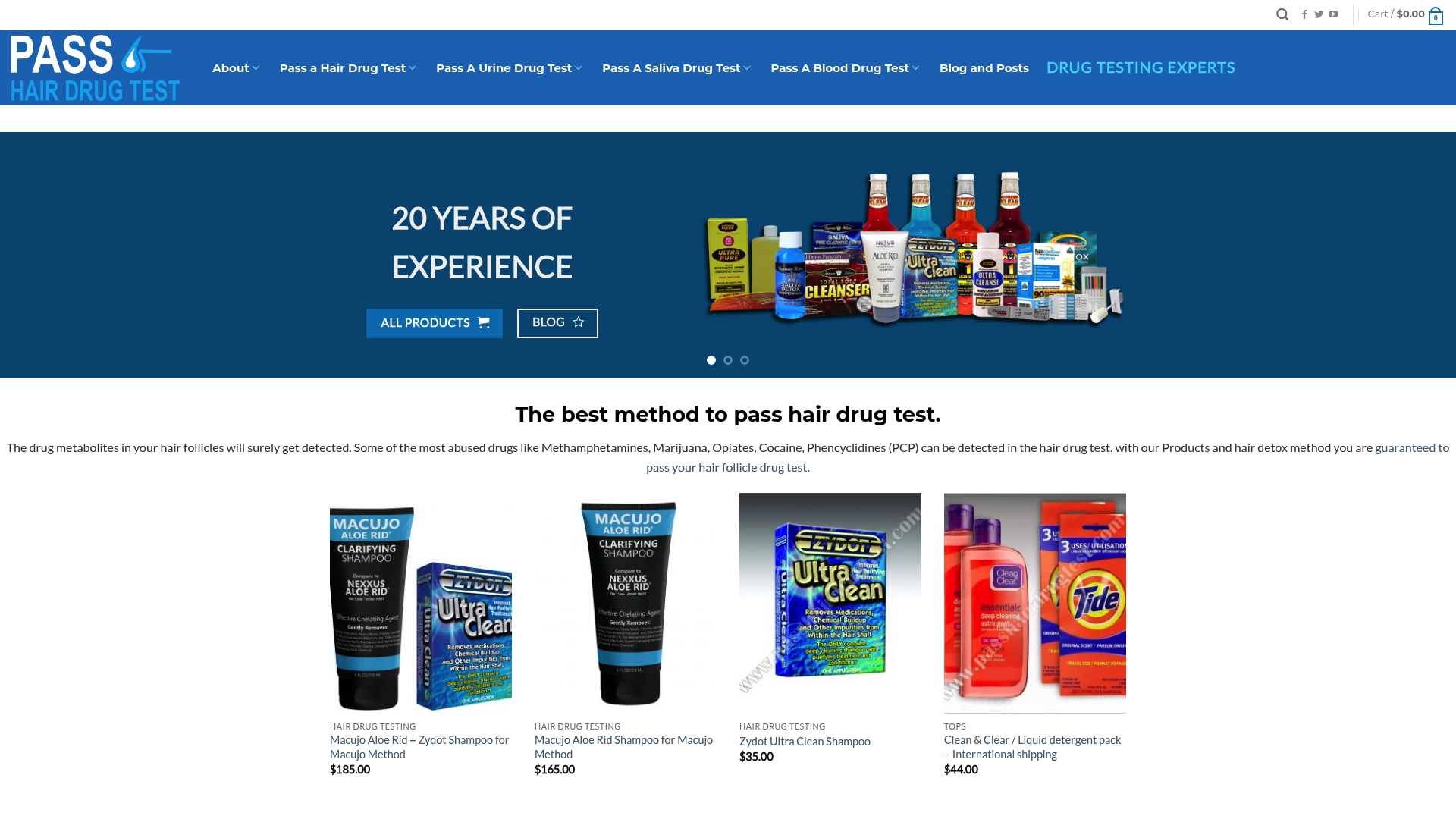
Passhairdrugtest carries hair follicle shampoo kits that combine clarifying and detox shampoos with step-by-step method guidance, including the Mike’s Macujo Method, which uses a sequenced approach to open the cuticle and address the cortex more directly than a surface clay mask can. Products like Zydot Ultra Clean Shampoo and Macujo Aloe Rid are formulated for this specific use case and come with documented protocols rather than informal online recipes.
No product guarantees a negative result. Passhairdrugtest is straightforward about that. What these kits offer is a more structured, better-documented approach than a DIY clay mask, with products that have a track record in this specific context. If you are weighing your options, the best hair detox shampoo comparison on the site lays out what each product does and where it fits in a realistic pre-test plan. Browse the full kit options and order directly if you decide a commercial approach fits your situation.
Sources
- Manipulation of THC Hair Concentrations by Commercially Available Products – PMC
- Hair analysis: Assessment of homemade hair treatment effects on drug concentrations in the keratin matrix
- How to detox your hair – Nexxus
- Benefits of bentonite clay: How to use it and side effects – Medical News Today
This article is general information, not a substitute for advice from a qualified lawyer. Consult a qualified legal professional about your own circumstances before acting on anything here.
Recommended
- How to pass hair drug test
- Hair Drug Test Information – Pass Hair Drug Test
- Pass hair Drug Test
- Hair Follicle Drug Test Information – Pass Hair Drug Test
