Uncategorized
Protect Your Dreadlocks: What to Say at a 90 Day Hair Drug Test
Sep
Short answer: dreadlocks do not make a hair follicle drug test impossible to pass or perform, but they often change how a collector takes the sample. Labs still need a small, scalp-close piece of hair, and standard practice avoids cutting a visible loc when another site or a split-sample approach will work. If a collector asks to cut a full loc, you can ask about alternate collection sites or smaller sample bundles instead.
TL;DR:
- Cutting whole dreadlocks may cause visible bald spots, so collectors often prefer small section sampling from multiple locs or alternative sites.
- External hair products and chemical treatments can alter the distribution of drug residues, complicating test interpretation.
- Hair color influences drug binding, with darker, melanin-rich hair tending to show higher concentrations than lighter hair.
- Using body hair such as underarm, pubic, or beard hair can serve as alternative samples when cutting locs is not feasible.
- To improve chances of passing, candidates should ask for small sample sections, document collection details, and consider decontamination routines beforehand.
Table of Contents
Table of Contents
- How hair follicle tests work: sample size, detection window, and confirmations
- How dreadlocks change sampling and result interpretation
- Acceptable alternative samples and collection practices for people who won’t cut locs
- Hair type, melanin, and contamination: what the evidence shows
- What to do before and during collection
- What PassHairDrugTest.com offers people preparing for a hair test
- Fairness, uncertainty, and reasonable next steps for people with locs
- Preparing your hair before a test: what we offer
- Sources
- FAQ
How hair follicle tests work: sample size, detection window, and confirmations
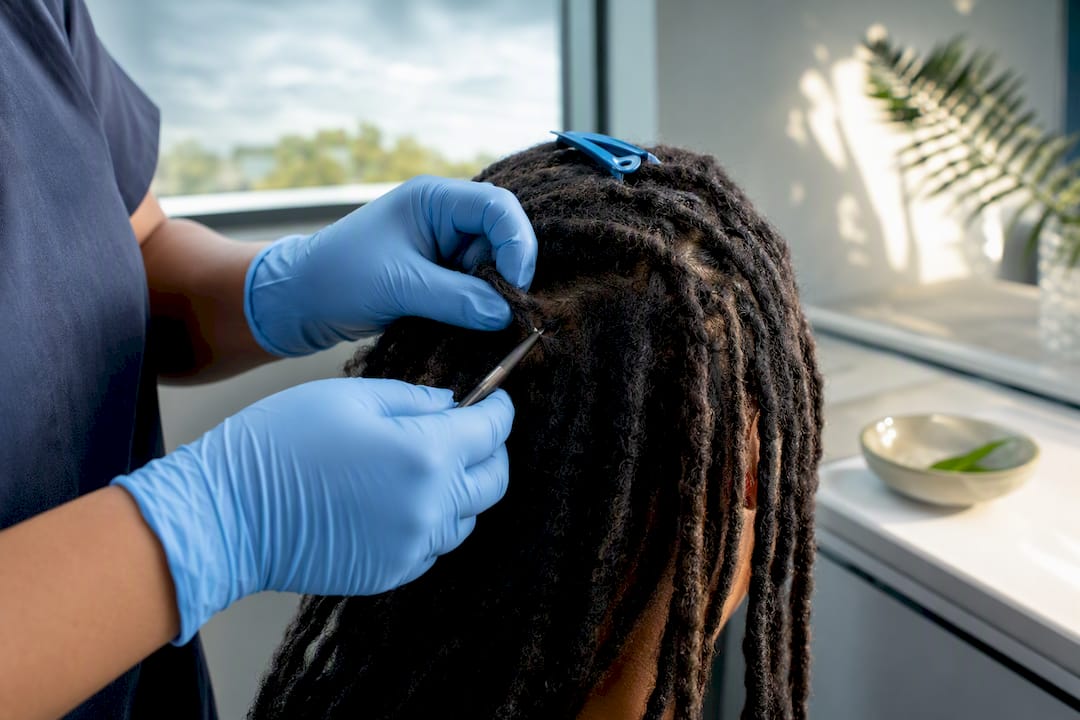
A standard hair test needs a fairly small amount of hair, about a pencil-thick lock, roughly 40 strands, cut as close to the scalp as possible. Collectors prefer the posterior vertex, the crown at the back of the head, because hair there grows at a more predictable rate, which matters for reading a timeline of use, according to UNODC and Society of Hair Testing guidance. Root orientation matters too: labs segment the strand from root to tip to estimate when drug use occurred.
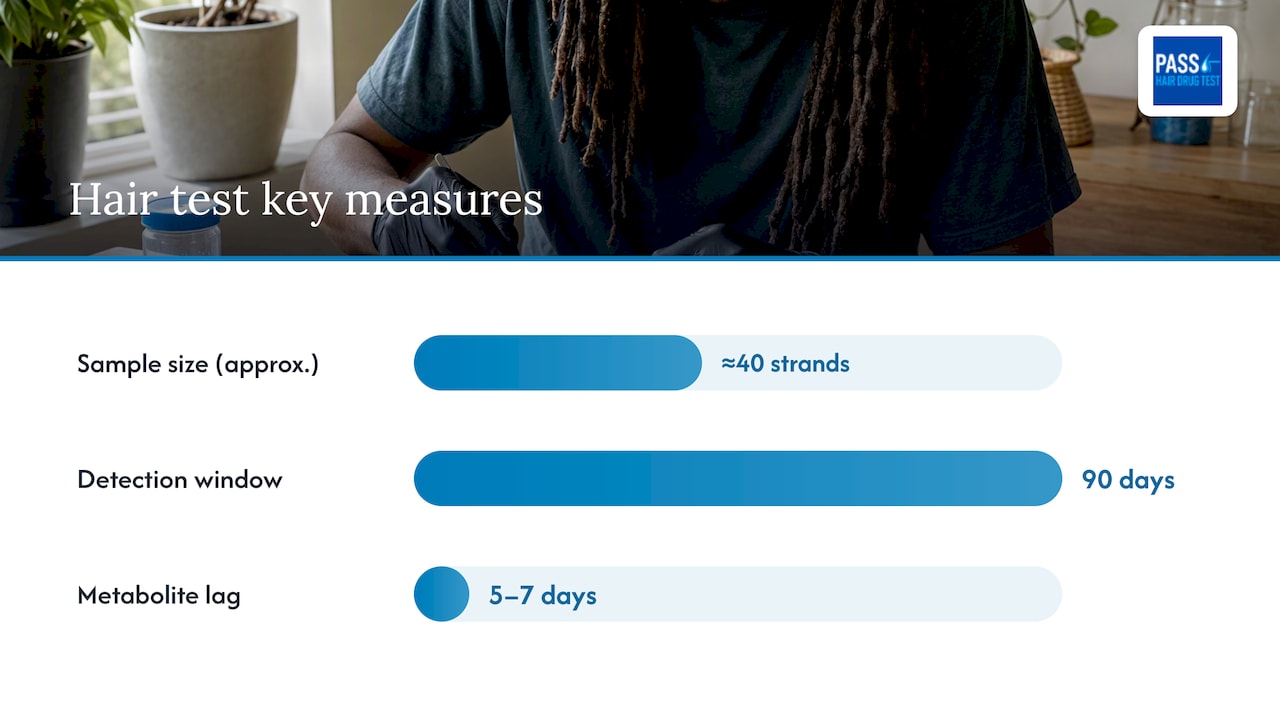
Most hair tests cover a window of about 90 days of prior use, and newly grown hair needs about 5 to 7 days after use before metabolites show up in the shaft, according to Healthline’s explainer on hair strand testing. That lag means very recent use, within the last week, will not usually appear.
Labs process the sample in two stages:
- An initial immunoassay screen flags samples that may be positive.
- Any presumptive positive goes to confirmatory testing using GC/MS or LC-MS/MS, a more specific method.
- Chain-of-custody paperwork tracks the sample from collection to lab result to protect both the donor and the tester.
How dreadlocks change sampling and result interpretation
Locs complicate a process built around straight, loose hair. A single dreadlock can be far thicker than the pencil-width bundle a collector normally clips, and taking a full sample from one loc near the scalp can leave a visible bald patch. That is part of why cutting whole locs is not the default move when other options exist.
Styling and chemical treatments add another layer. Waxes, gels, dyes, and locking products sit on and sometimes inside the hair shaft, and treatments can shift where drug residues collect along the strand. Labs are supposed to account for treatments when they interpret results, though the raw test itself cannot always tell chemical residue apart from a treatment product without extra scrutiny.
There is also a social dimension. Media coverage and employment disputes have raised concerns that hair testing can weigh unevenly on people with dark, textured hair and protective styles like locs, since cutting a loc is a bigger loss than trimming a few strands of straight hair, a concern raised in Wired’s reporting on hair testing.
- Thick, matted locs make it harder to collect a small sample without a visible bald spot.
- Waxes, dyes, and locking products can shift where residues sit on the strand.
- Cutting a full loc for testing has drawn scrutiny in employment and civil rights contexts.
Pro Tip: Ask the collector to take small sections from several locs rather than cutting one whole lock; it is usually enough for the lab and avoids a visible gap.
Acceptable alternative samples and collection practices for people who won’t cut locs
When head hair collection would mean cutting a visible loc and no reasonable workaround exists, collectors can typically turn to other body hair.
- Axillary (underarm) hair grows faster than head hair, which shortens the detection window compared with a standard head sample.
- Pubic or beard hair can also be used, though growth rates and cycle lengths differ from scalp hair, which affects how the timeline is read.
- Splitting the needed amount across several small sections of different locs, instead of clipping one lock entirely, is often enough to meet the lab’s minimum without leaving an obvious gap.
Whatever site is used, ask the collector to tie off the sample, note the collection site on the documentation, and, where policy allows, photograph the sample before it is sealed. That record protects you if the result is ever disputed later.
Hair type, melanin, and contamination: what the evidence shows
Hair color and texture are not just cosmetic details in this process. Darker, melanin-rich hair has been shown in laboratory research to bind higher concentrations of certain drug analytes than lighter hair.
One academic study found dark hair can show absorbance significantly higher than lighter, ginger-toned hair for certain substances, according to a PubMed study on hair melanin and drug binding. That gap matters because it raises the possibility that two people with identical exposure could produce different concentrations purely due to hair pigment, not usage.
This is also why the difference between contamination and actual drug use matters so much. Hair can pick up drug residue from smoke or contact with other people’s hair products without any ingestion at all. To sort out contamination from real use, labs use:
- Wash and decontamination steps meant to strip surface residue before testing.
- Confirmatory GC/MS or LC-MS/MS analysis, rather than relying on the initial screen alone.
- Emerging metabolite-focused methods that NIJ-funded research suggests can help separate external contamination from ingestion, though the agency notes decontamination procedures are not fully standardized industry-wide.
What to do before and during collection
A little preparation reduces the chance of a rushed, unfair collection. Before your appointment, bring photo ID and any documentation for prescribed medications that could affect a result. If you wear locs, consider photographing your hair beforehand so you have a record of its condition going in.
At the collection site:
- Ask the collector to take small bundles from the vertex or an approved alternate site rather than cutting a full loc.
- Request that the chain-of-custody form note the collection site and method used.
- If cutting a visible loc is proposed with no discussion of alternatives, politely ask what other options the lab allows before agreeing.
A simple script helps: “I have locs and would rather not have one cut visibly. Can we use small sections from a few locs, or an alternate site like underarm hair?” If the result comes back positive and you dispute it, ask in advance how to request confirmatory retesting and whether a portion of the original sample is retained for that purpose.
Pro Tip: Most labs retain a portion of the original sample for a set period, so ask at collection how long that retention window lasts in case you need a retest.
What PassHairDrugTest.com offers people preparing for a hair test
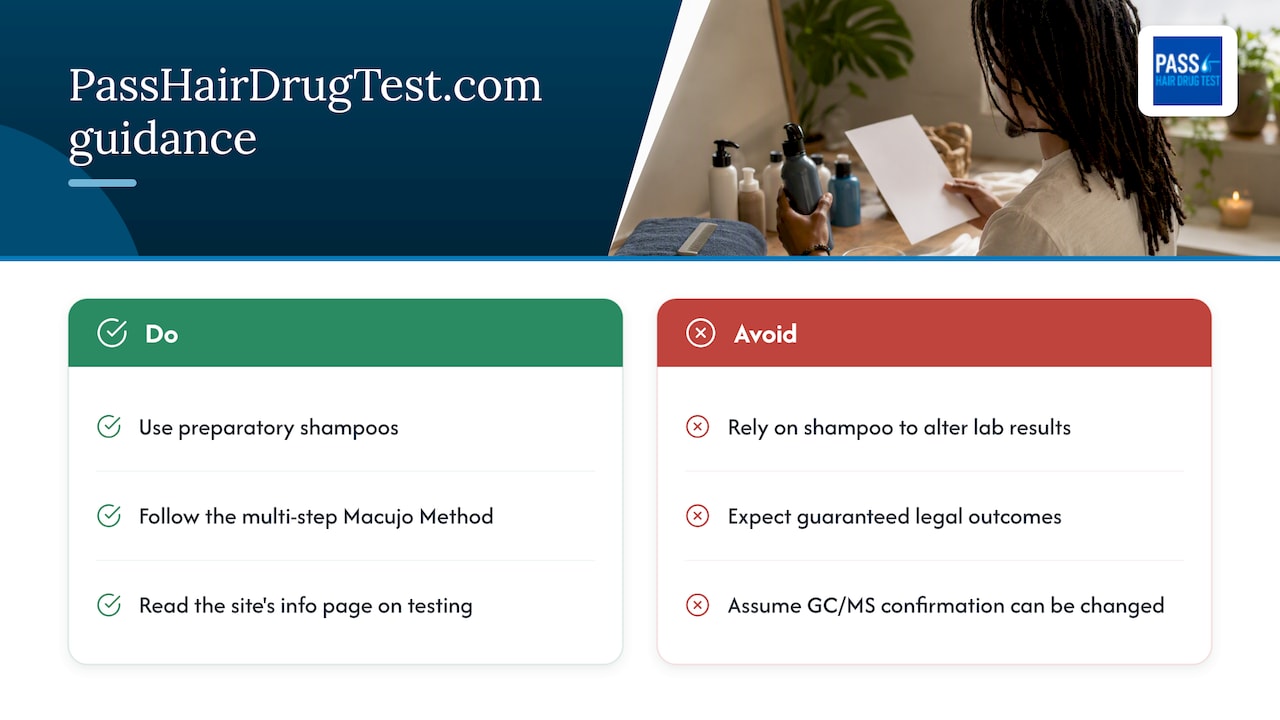
PassHairDrugTest.com has worked in the detox product space for more than 20 years, and its hair care line centers on products like Macujo Aloe Rid Shampoo, Zydot Ultra Clean Shampoo, and the multi-step Mike’s Macujo Method, a detailed washing routine aimed at reducing external residue buildup on the hair shaft. The site’s hair drug test information page walks through how collection and interpretation work in more detail.
These products are preparatory tools, not a way to alter a confirmed lab result. A wash routine can address residue sitting on the outside of the strand, but it cannot change what GC/MS confirmation finds if a drug has actually been incorporated into the hair itself, and no shampoo carries a guaranteed legal outcome.
Fairness, uncertainty, and reasonable next steps for people with locs
The science on hair testing is not settled, and melanin differences alone mean two people with the same exposure could get different readings. Given that, testers should default to the least invasive collection method available and lean on confirmatory testing whenever a result is contested. If you are facing a test, use the checklist above, document the collection, and ask about retesting rights before you sign anything.
— MIchael
Preparing your hair before a test: what we offer
If you wear locs and want to head into a hair test with your hair in the best shape you can manage, our product catalog covers clarifying and detox shampoos alongside the step-by-step Macujo Method kit, built around 20-plus years in this specific niche.
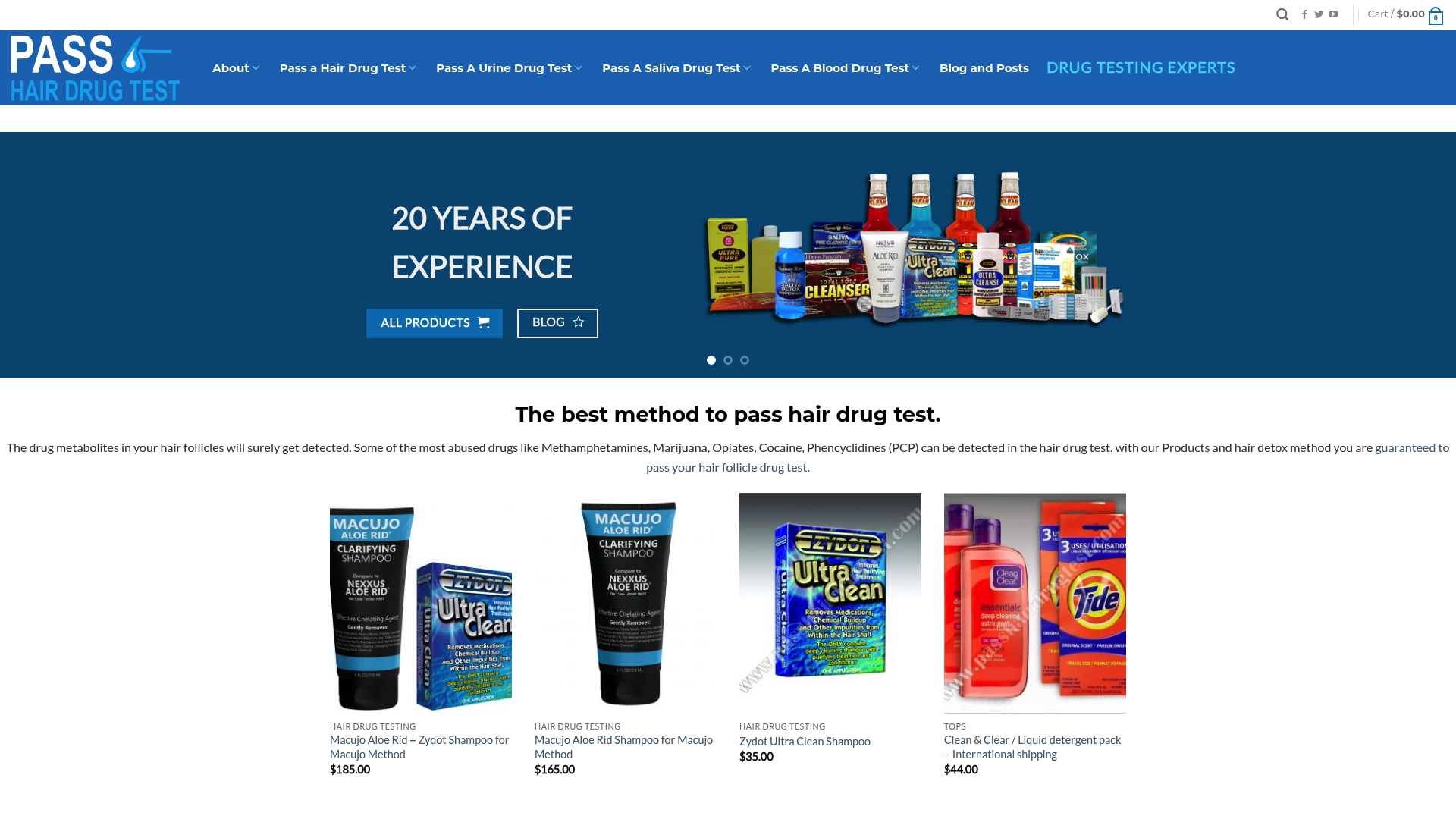
- Clarifying and detox shampoos formulated to reduce external residue buildup on the hair shaft.
- Step-by-step kits with written instructions for locs and other hair types.
- Support available for questions about the process before the test date.
These products address what sits on the outside of your hair. They are not a legal guarantee, and we always recommend understanding your rights around confirmatory testing before your appointment. Browse the full product lineup or read more on how the Macujo Method works before you decide.
Sources
- PubMed: study on hair melanin and drug binding
- NIJ: Detecting drugs in hair — use vs. contamination
- UNODC: Hair, sweat and oral fluid guidance/manual
- Healthline: Hair strand drug test: how it works
FAQ
What disqualifies you from a hair follicle test?
An insufficient hair sample, refusal to provide a sample, or evidence of tampering can disqualify a hair follicle test result. Some labs will also reject a sample if it shows signs of chemical damage that prevents accurate analysis.
How long do I need to be clean to pass a hair drug test?
Hair tests generally detect use going back about 90 days, so residue from use within that period can still show up, according to Healthline. Very recent use, within the last 5 to 7 days, typically will not appear yet because hair has not grown enough to carry it.
What shows up on a panel hair follicle test?
Panel hair tests typically screen for common drug classes, and specific panels vary by employer or testing program. The exact substances included depend on which panel the requesting organization orders, so check with the collection site for the list used in your case.
What can throw off a hair follicle test?
External contamination, such as contact with smoke or someone else’s hair products, can leave surface residue that labs try to remove with wash procedures before testing, per NIJ research. Hair color and texture can also affect analyte concentration, since melanin-rich hair has been shown to bind some substances more readily than lighter hair.
Recommended
- How Can I Pass a Hair Drug Test?
- Hair Drug Test Information
- How to Pass a Drug Test on Hair Follicles?
- Kratom Users: 90 Day Hair Test Prep That Lowers Detection Risk
