Uncategorized
African American Hair Drug Test: A Practical Prep Plan
Aug
The most practical approach for African American hair facing a hair follicle drug test is a multi-day cleansing protocol built around a Macujo-style acid wash paired with a certified detox shampoo kit, not a single quick rinse. Pigmented, textured hair binds certain drug metabolites more readily than straight, light-colored hair, so a one-and-done wash rarely gets deep enough into the cortex.
- Best fit: light or infrequent users starting prep 5 or more days out.
- Harder cases: daily or heavy users, locked or heavily braided styles, and anyone tested with less than 24 hours notice.
- The caveat that matters: labs increasingly screen for chemical tampering, and no shampoo, kit, or method carries a guarantee.
Table of Contents
Key Takeaways
A Macujo-style acid wash combined with a cortex-cleansing detox shampoo, repeated 10 to 15 times over several days, is the most realistic protocol for African American hair, and no method guarantees a negative result.
| Point | Details |
|---|---|
| Melanin drives the difference | Pigmented hair can bind drug metabolites 5 to 43 times more than light hair, so gentle washing rarely works alone. |
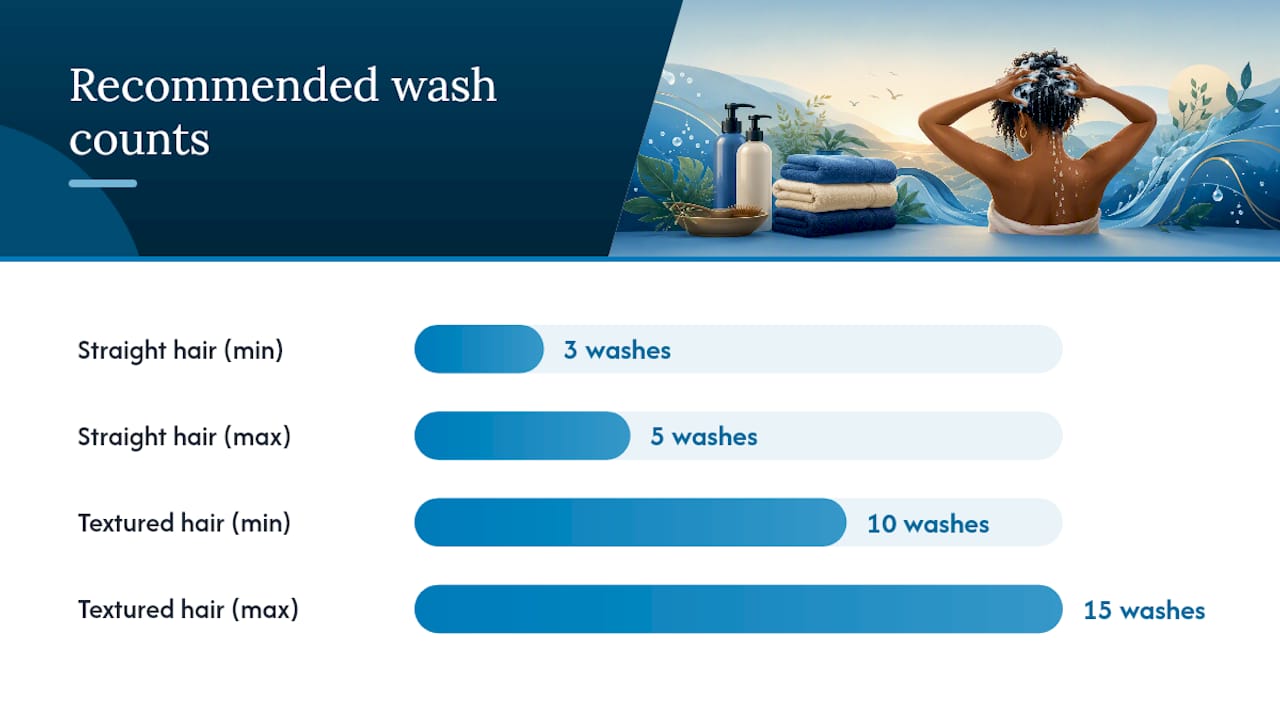
| Wash count matters | Textured hair typically needs 10 to 15 total applications, not the 3 to 5 washes suited to straight hair. |
| Locked or braided styles need adjustment | Undo protective styles when possible, or extend scalp dwell time by 5 extra minutes per session. |
| Bleaching helps but carries risk | Studies show THC reductions of roughly 52% to 65% with strong treatments, alongside real damage and adulteration risk. |
| Passhairdrugtest kit simplifies sequencing | The Hair Follicle Shampoo Kit bundles the pre-wash, main detox shampoo, and finisher into one ordered protocol. |
Table of Contents
- How Hair Drug Tests Work for African American Hair
- Step-by-Step Protocol for African American Hair
- Why African American Hair Binds Drugs Differently
- What Each Product Does and How to Use It
- When to Start and What to Do With Short Notice
- Bleach, Dye, and Perms: What They Actually Do
- How Labs Spot Contamination and Where Detection Falls Short
- Safety Comes First
- What Actually Trips People Up
- Get the Kit Built for This Exact Protocol
- Frequently Asked Questions
- Sources
How Hair Drug Tests Work for African American Hair
A hair follicle drug test works by extracting a small sample, usually from the crown, and dissolving it to measure metabolites trapped inside the cortex, the hair’s inner layer. Melanin, the pigment that gives African American hair its color and density, has a strong chemical affinity for basic drugs like THC-COOH and cocaine metabolites. That affinity is why research on drug binding in hair treats pigment content as a variable worth recording, not an afterthought.
Texture adds a second layer of complexity. Tightly coiled strands have more cuticle surface folded per inch than straight hair, and that structure holds onto oils, styling product residue, and metabolites longer. Standard clarifying shampoos strip surface buildup but rarely touch what’s bound inside the cortex, which is the entire reason protocols built for African American hair lean on acid-based cortex openers rather than a stronger version of a normal wash. If you want the full breakdown of how collection and lab analysis work, hair follicle drug testing explains the collection standards labs typically follow.
Step-by-Step Protocol for African American Hair
This sequence adapts the classic Macujo approach with extra dwell time and volume for dense or coiled hair.
- Day 1, morning: Wash with a clarifying shampoo to strip oils and product buildup before any acid step touches the scalp.
- Day 1, acid step: Work a vinegar or Clean & Clear (pink, salicylic acid formula) mixture root to tip, focusing on the scalp for 10 to 15 minutes. Curly and coily hair needs more product volume to fully saturate every section.
- Day 1, detox wash: Follow immediately with a cortex-cleansing detox shampoo, massaging into the scalp for at least 3 to 5 minutes, then rinse thoroughly.
- Days 2 through 4: Repeat the full sequence once daily. Most protocols recommend 10 to 15 total applications spread across several days for textured hair, not the 3 to 5 washes that work for straight, low-porosity hair.
- Test day: Finish with a purifying, single-use shampoo designed to mask residual metabolites for a short window.
What to buy:
- A detox shampoo built for cortex cleansing (not a supermarket clarifying formula)
- An acid pre-wash treatment for the scalp step
- A day-of finishing shampoo for the final rinse
Braids, locks, and extensions complicate all of this. If you can safely undo a protective style, do it before starting, since product can’t reach the scalp through tight braids. If you can’t undo it in time, focus every application on the scalp itself and extend dwell time by 5 extra minutes per session, since that’s where the follicle sample gets cut from.
Body hair matters too. If a collector can’t get a head sample, they’ll often ask for arm or leg hair, and standard scalp protocols don’t reach those follicles at all.
Pro Tip: Don’t bleach visible sections unevenly trying to “boost” the effect. Patchy, obviously fresh chemical damage on a few strands is one of the fastest ways to draw a second look from a collector.
Why African American Hair Binds Drugs Differently
Melanin is the primary binding site for many basic drugs inside the hair shaft, and darker hair carries far more of it than blonde or light brown hair. Controlled studies have found that dark hair can show 5 to 43 times greater binding capacity than light hair, a gap wide enough that some forensic researchers argue melanin content should be recorded whenever hair results are interpreted.
A 1996 binding study found statistically significant differences in cocaine uptake between Africoid hair and other hair types, and bleaching measurably reduced that binding in many pigmented samples.
That finding, published in the Journal of Analytical Toxicology, is part of why aggressive, repeated washing shows up in nearly every protocol aimed at pigmented hair. A gentler routine that works fine on lighter, less porous hair often isn’t enough here.
What Each Product Does and How to Use It
Different products handle different jobs in the protocol, and mixing them up is a common reason people don’t get the result they expected.
- Aloe Rid (Old Style): A concentrated detox shampoo built to strip cortex-bound residue. Works well as the core daily wash but can be drying on already fragile, chemically treated hair, so follow with a light conditioner on ends only.
- Zydot Ultra Clean: A day-of finishing shampoo meant to be used right before the appointment, not during the multi-day buildup phase. It’s a short-window product, not a substitute for the earlier detox washes.
- Passhairdrugtest hair detox shampoo kit: Bundles a clarifying pre-wash, a cortex-cleansing main shampoo, and clear product directions so users aren’t guessing at sequencing.
On dense or locked hair, use more product per application than the bottle suggests. A quarter-size amount that saturates straight hair barely covers one section of coily hair. If a specific product isn’t available, a clarifying shampoo followed by a purifying detox formula covers the same two functions, surface strip and cortex clean, even without the exact brand name.
When to Start and What to Do With Short Notice
Ideal lead time is 7 to 10 days, giving you room for the full 10 to 15 wash cycle. The minimum practical window is about 3 days, and anything under 24 hours puts you into damage control rather than a real protocol.
- 72 hours out: Start the full acid plus detox sequence twice daily instead of once.
- 24 hours out: Skip straight to the day-of finishing shampoo, and avoid any environment with secondhand smoke.
- Same day: Launder anything that touches your hair, pillowcases, hats, hoodies, since fabric residue can transfer back onto clean hair.
Heavy daily users and anyone facing body-hair collection are working with genuinely long odds on a short timeline, and it’s worth being honest with yourself about that going in.
Bleach, Dye, and Perms: What They Actually Do
Bleaching and other strong chemical treatments can measurably lower drug concentrations in hair, but the tradeoff is real damage and a real chance of getting flagged. A lab study on commercial and household treatments found THC reductions averaging roughly 52% to 65%, depending on the product, with results varying sample to sample.
- Do time a bleach or perm at least a week before test day so damage and shedding settle down.
- Do follow any chemical service with a deep conditioning routine to reduce breakage.
- Don’t bleach the same day as your acid wash cycle; stacking chemical stress that hard can strip hair to the point of visible damage.
- Don’t assume a full bleach erases everything. Collectors and labs are trained to notice sudden, uneven color change.
How Labs Spot Contamination and Where Detection Falls Short
Labs run multi-stage washes, usually isopropanol or methanol followed by a buffer rinse, specifically to separate what’s stuck to the hair’s surface from what’s bound inside it. Even with that process, a government-funded contamination study found that externally contaminated hair can still mimic ingestion patterns unless the lab runs extra analyte-ratio checks, and not every lab does.
- Solvent washes strip surface residue before the sample gets dissolved for analysis.
- Some labs measure the wash solution itself and compare it against a wash-to-hair ratio to flag likely tampering.
- Enzymatic digestion breaks down the cortex to release bound metabolites for measurement.
Repeated harsh DIY chemical cycles can leave signatures a trained lab technician recognizes, which is part of why “more chemicals” isn’t automatically a better strategy.
Safety Comes First
No product or protocol guarantees a negative result, and acid washes plus repeated bleaching can genuinely burn scalp skin or wreck hair structure if you’re not careful.
- Wear gloves and do a patch test before any new chemical treatment.
- Work in a ventilated space and avoid inhaling fumes from acid or bleach mixtures.
- See a doctor for any scalp burn or unusual irritation.
- Follow your employer’s actual testing policy. Tampering with a sample can carry its own legal consequences.
What Actually Trips People Up
Michael, who covers detox strategy for Passhairdrugtest, has reviewed enough reader questions to know the pattern: most failed attempts trace back to skipped dwell time, not a bad product.
- Hair still feels oily or waxy after washing? You’re rinsing too fast. Extend the detox shampoo massage to a full 5 minutes before rinsing.
- Sample gets flagged as adulterated? Stop chemical treatments immediately and be transparent with your employer about next steps.
- Collector asks for body hair instead? There’s no scalp protocol that reaches that; a body cleansing routine is a separate process entirely.
For step-by-step usage questions, the product directions page walks through exact timing for each formula.
Get the Kit Built for This Exact Protocol
Running the acid-and-detox sequence with three separate, mismatched products from different stores is where most people lose track of timing. The Hair Follicle Shampoo Kit bundles the clarifying pre-wash, the cortex-cleansing main shampoo, and clear directions into one order, so the sequencing questions get answered before you start.
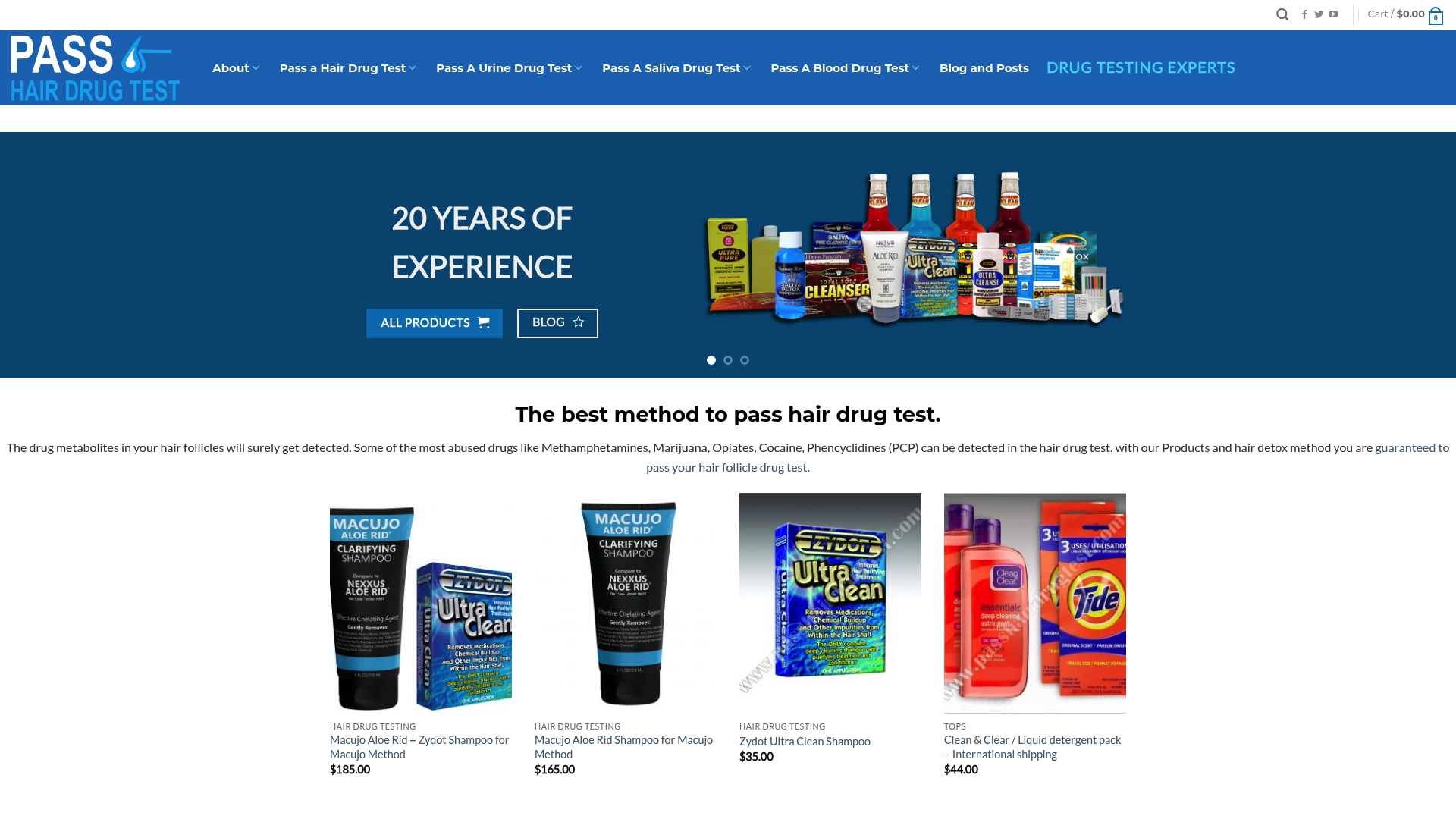
Inside the protocol described above, the kit’s pre-wash step replaces your Day 1 clarifying shampoo, the main shampoo carries you through the daily repeat cycle, and Zydot Ultra Clean slots in as the day-of finisher right before your appointment. None of this changes the honest reality that no shampoo guarantees a passed test, and any chemical step should be done with gloves, ventilation, and a patch test first. If you’re working against a real deadline, order the kit now and start the sequence tonight rather than losing a wash cycle to shipping delays.
Frequently Asked Questions
Does African American hair really test differently for drugs?
Yes. Melanin, more abundant in darker, more pigmented hair, binds certain drug metabolites more readily, which is why texture-specific protocols use stronger cortex-cleansing steps than standard clarifying shampoos.
How many washes does the Macujo method need for coily hair?
Most protocols built for dense, coily hair call for 10 to 15 total applications spread across 3 to 5 days, roughly double what’s typically recommended for straight, low-porosity hair.
Can bleaching alone pass a hair follicle test?
Bleaching can meaningfully lower some metabolite concentrations, with studies showing THC reductions in the 52% to 65% range, but it doesn’t erase everything and can trigger an adulteration flag if the change looks sudden or uneven.
What if I only have 24 hours before my test?
Use a day-of finishing shampoo like Zydot Ultra Clean, avoid any secondhand smoke exposure, and launder anything that touches your hair. Short-notice attempts carry real limits, especially for daily users.
Is any hair drug test method guaranteed to work?
No. Labs use multi-stage decontamination and wash-ratio analysis specifically to catch external tampering, and no shampoo or protocol can promise a negative result.
Sources
- Hair color bias literature review (Bourland et al., SAMHSA meeting materials)
- In vitro binding studies of drugs to hair: influence of melanin and lipids on cocaine binding (Journal of Analytical Toxicology, 1996)
- NIJ report on cocaine analytes and contamination studies
- Study on the effect of commercial and household treatments on THC concentrations in hair (PMC)
Recommended
- Hair Detox Products for Drug Testing – Pass Hair Drug Test
- Pass hair Drug Test
- How Can I Pass a Hair Drug Test? – Pass Hair Drug Test
- How to pass hair drug test
