No products in the cart.
Uncategorized
30+ Ingredients in Aloe Rid Shampoo for Hair Drug Test Prep
14
Sep
Sep
Aloe Rid’s original formula centers on three ingredient classes: sulfate surfactants for deep cleansing, propylene glycol as a solvent that improves penetration into the hair shaft, and chelating or reducing agents like tetrasodium EDTA and sodium thiosulfate that target metal and chemical residues. This is a description of formulation chemistry, not a claim that any shampoo guarantees a specific drug test outcome. Use it, and any clarifying protocol, with realistic expectations and basic hair-care caution.
TL;DR:
- Aloe Rid’s formula combines sulfate surfactants, propylene glycol, EDTA, and sodium thiosulfate, aiming to enhance surface cleansing and chemical residue removal.
- The penetration enhancer, propylene glycol, is considered the key ingredient for deep cleansing, but it does not reach or alter residues embedded in the hair cortex.
- Repeated use of aggressive clarifying protocols can cause dryness, scalp irritation, and color fading, requiring careful aftercare and spacing out washings.
- Having a thorough understanding of the ingredient list helps assess sensitivities and set realistic expectations about its effectiveness for drug-test preparation.
- Combining Aloe Rid with additional products or multi-step routines may improve surface cleansing but cannot guarantee removal of metabolites inside the hair cortex.
Table of Contents
Table of Contents
- Aloe Rid Shampoo Ingredients: The Full List and What Each One Does
- How These Ingredients Are Thought to Work Together
- Safety Risks and Aftercare for Aggressive Clarifying Protocols
- How to Use Aloe Rid Shampoo Step by Step
- Why Ingredient Transparency Actually Matters Here
- Where to Find Aloe Rid and Related Products at Passhairdrugtest
- Sources
- FAQ
Aloe Rid Shampoo Ingredients: The Full List and What Each One Does
The original Nexxus Aloe Rid formula, as published in the manufacturer’s own archived ingredient statement, lists more than 30 components. Some are workhorse cleansing agents, others are conditioning extras, and a few are the ones people researching hair-drug-test prep tend to ask about by name. Here’s the breakdown in plain language.
- Water (Aqua): the base of almost every liquid shampoo, carrying every other ingredient.
- Sodium Laureth Sulfate: the primary surfactant, responsible for lifting oil, dirt, and product buildup off the hair and scalp.
- Cocamide DEA and Cocamidopropyl Betaine: secondary surfactants that boost lather and soften the harshness of sulfates on hair and skin.
- Propylene Glycol: a small-molecule solvent that helps other ingredients move past the outer cuticle layer more easily. This is the ingredient most often singled out in independent reviews as the likely reason people associate Aloe Rid with “deep” cleansing claims.
- Tetrasodium EDTA: a chelating agent that binds metal ions (from hard water, pools, or environmental exposure) so they rinse away instead of sticking to the hair shaft.
- Sodium Thiosulfate: a reducing agent, commonly known for neutralizing chlorine and breaking down certain chemical residues on the hair’s surface, according to ingredient-function analysis from The Hair Archives.
- Aloe Barbadensis Gel, Panthenol, Tocopheryl Acetate: soothing and moisturizing agents meant to offset dryness from the surfactants above.
- Avocado Oil, Soybean Sterol, Ceramide 3, Wheat Flour Lipids: conditioning lipids that attempt to replace natural oils stripped during washing.
- Alpha-Glucan Oligosaccharide: part of the branded NEXXUSPHERE complex, marketed as a hair-strengthening additive.
- Butyl Methoxydibenzoylmethane and Ethylhexyl Methoxycinnamate: UV filters, added to reduce sun-related color and protein degradation rather than to affect cleansing.
- Myristic Acid, Palmitic Acid, Stearic Acid: fatty acids used as texturizers and mild emulsion stabilizers.
- Polyglyceryl-3 Distearate, Polysorbate 60: emulsifiers that keep oil and water components blended.
- Guar Hydroxypropyltrimonium Chloride: a conditioning polymer that helps detangle and smooth the hair surface.
- Sodium PCA: a humectant that draws moisture into the hair shaft.
- Methylchloroisothiazolinone and Methylisothiazolinone: preservatives that keep the formula shelf-stable. These two are worth flagging because they carry a known allergenic potential for a subset of users, particularly with prolonged skin contact, which is why patch testing before a full application is a reasonable precaution.
- Citric Acid: a pH adjuster.
- Fragrance, Yellow 5, Blue 1: scent and colorants with no cleansing function.
Nothing on this list is exotic. What sets the formula apart from a standard clarifying shampoo is the specific combination: a strong sulfate base paired with propylene glycol, EDTA, and sodium thiosulfate in the same bottle, rather than one or two of those ingredients showing up alone.
How These Ingredients Are Thought to Work Together
Deep-cleansing claims for this style of formula rest on three overlapping mechanisms, and understanding them separates marketing language from actual chemistry.
- Surfactant action removes surface buildup. Sodium laureth sulfate and cocamidopropyl betaine strip sebum, styling product, and environmental grime from the hair’s outer layer. This is standard shampoo chemistry, not something unique to this product.
- Propylene glycol acts as a penetration enhancer. Its small molecular size lets it slip past the cuticle more readily than water alone, which is why multiple reviewers point to it as the ingredient doing the heavy lifting for “deep” claims. It improves solvent access to the outer shaft. It does not dissolve or rewrite the inner cortex structure.
- Chelators and reducing agents target bound residues. Tetrasodium EDTA grabs onto metal ions, while sodium thiosulfate breaks down chlorine-related compounds and some surface chemicals, based on the same ingredient-function mapping that identifies propylene glycol’s role.
Here’s the limit that matters most: standard drug-testing labs look for metabolites embedded in the hair cortex, not just on the surface. Surfactants and chelators are built to act on the cuticle and surface layer. Whether any topical formula reliably reaches and clears cortex-bound material is genuinely uncertain, and no shampoo ingredient list can settle that question on its own.
Pro Tip: If you’re evaluating a clarifying shampoo based on its ingredient panel, look for the combination of a strong surfactant plus a named penetration enhancer plus a chelator. A formula missing all three is doing basic cleansing only, regardless of how it is marketed.
Safety Risks and Aftercare for Aggressive Clarifying Protocols
Sulfate-heavy shampoos used repeatedly, especially inside multi-step routines, put real stress on hair and scalp. Documented complaints from users of aggressive detox protocols include:
- Dryness and brittleness from repeated stripping of natural oils
- Cuticle roughening, which can make hair feel like straw after a few applications
- Color fading, particularly on treated or highlighted hair
- Scalp irritation or tightness, sometimes worsened by the preservative compounds noted above
Public analyses of these protocols consistently flag hair stress as a real tradeoff of aggressive multi-step use, and recommend planning for restorative care afterward rather than treating the wash as a one-time event with no consequences.
Timing matters here. Avoid applying heavy conditioners or oils in the days before a cleansing sequence. Those products coat the hair shaft and can interfere with the surfactants doing their job. Save deep conditioning for after the testing window closes.
Pro Tip: Keep clarifying sessions spaced out rather than back to back. If your scalp feels raw or hair snaps easily, stop and give it a break before continuing. No testing deadline is worth a chemical burn.
Never combine this shampoo with bleach or other harsh at-home chemical treatments in the same session. Layering unknown reactions on top of an already aggressive routine is how people end up with actual scalp injuries instead of just dry ends.
How to Use Aloe Rid Shampoo Step by Step
A basic application follows a straightforward sequence, though people researching hair-drug-test prep often adapt the timing and repetition based on community-shared routines rather than manufacturer instructions.
- Wash hair with a normal shampoo first to remove loose surface debris, then towel dry.
- Apply Aloe Rid generously, working it into the roots and scalp where residues concentrate rather than just the lengths.
- Massage for several minutes. Some community routines extend this to ten minutes or more, though that stretches well past standard shampoo directions.
- Let it sit briefly before rinsing thoroughly with warm water.
- Repeat once or twice depending on hair length and condition, but avoid excessive back-to-back washing in a single sitting.
Some people follow up with a second clarifying shampoo, like Zydot Ultra Clean, on test day itself as an additional layer. This is a widely discussed community practice, not a certified or guaranteed protocol, and it should be understood that way. For a fuller walkthrough of sequencing and timing, see this guide on using detox shampoo for a hair drug test.
Stop immediately if you notice severe burning, swelling, or broken skin on the scalp. No ingredient list is worth an injury.
Why Ingredient Transparency Actually Matters Here
Most articles about this shampoo skip straight to whether it “works” and ignore the fact that you can check every ingredient yourself against the manufacturer’s original list. That matters more than it sounds. If you have a known sensitivity to isothiazolinone preservatives, or you’re color-treated and worried about fading, the ingredient panel tells you that upfront instead of leaving you to find out the hard way.
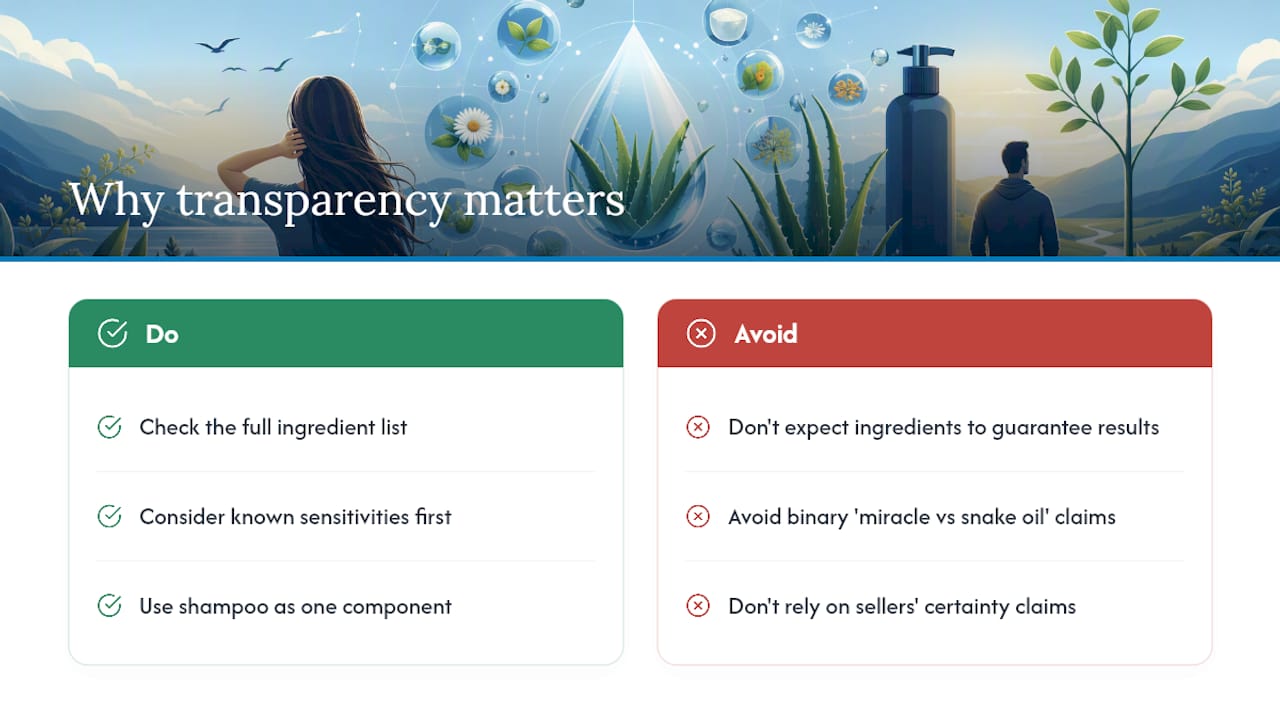
What frustrates me about how this topic usually gets covered is the binary framing: either the shampoo is a miracle or it’s snake oil. Neither is accurate. Propylene glycol, sodium thiosulfate, and tetrasodium EDTA are real, functional ingredients with documented roles in surface-level chemistry. What none of them can do is guarantee what happens inside a testing lab. Anyone selling you certainty in either direction, glowing or dismissive, is skipping the actual chemistry to make a simpler story.
The honest position is the boring one: this is a well-formulated clarifying shampoo built around ingredients that have plausible, sourced mechanisms for surface and near-surface cleansing. Treat it as one component of a broader approach, take the aftercare seriously, and don’t expect the ingredient panel alone to answer every question you have.
— MIchael
Where to Find Aloe Rid and Related Products at Passhairdrugtest
Reading an ingredient list is useful, but most people land here because they need a product and a plan, not just a chemistry lesson. Passhairdrugtest carries the best hair detox shampoo options for hair follicle testing, including formulas built around the same ingredient logic covered above, without requiring you to track down an archived manufacturer page yourself.
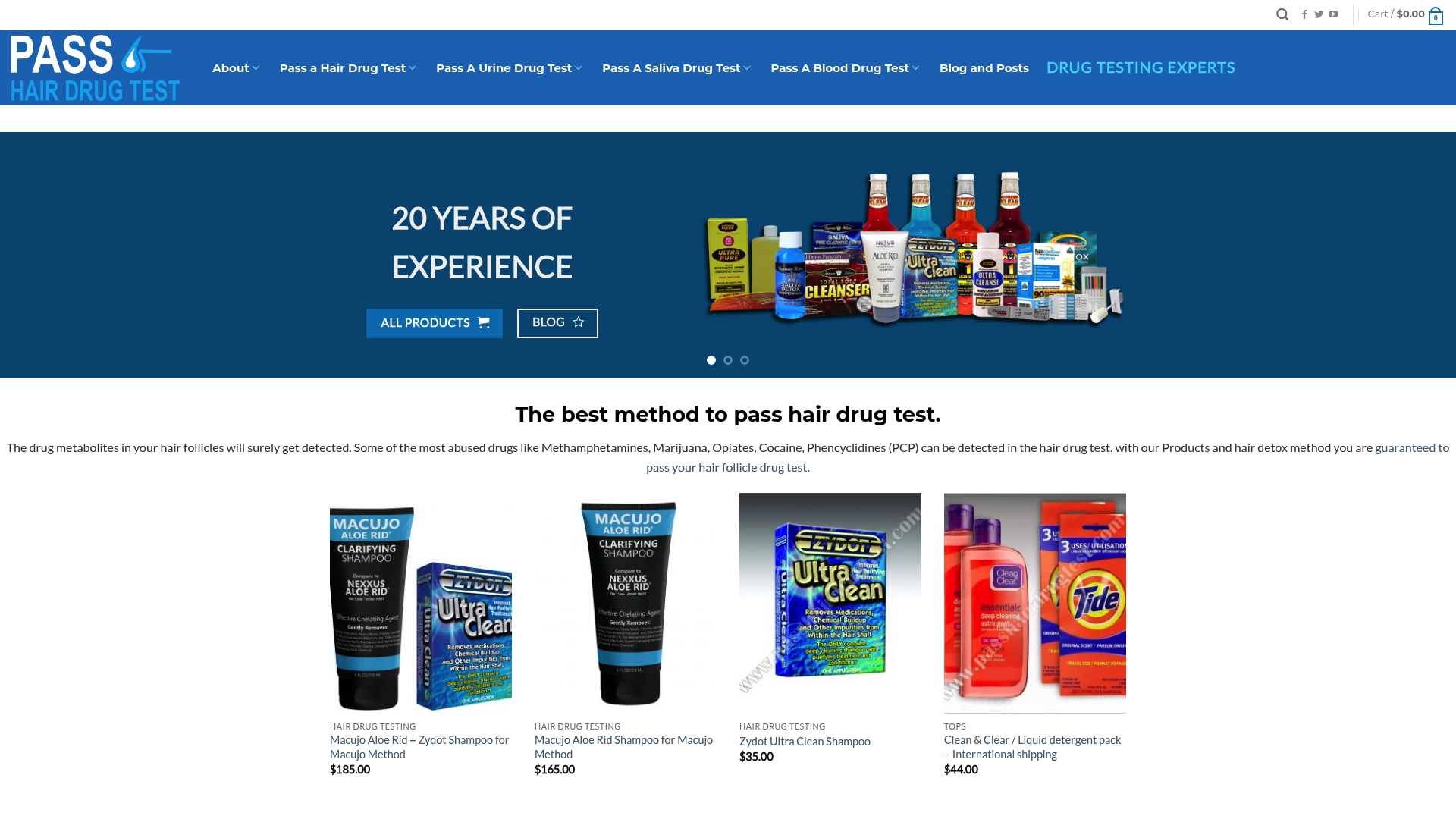
If you’re weighing a single shampoo against a full multi-step approach, the Macujo Aloe Rid plus Zydot combination kit bundles both products used in Mike’s Macujo Method, so you’re not guessing which items pair well together. And if you’re still deciding whether a clarifying formula or a dedicated detox product fits your timeline better, the detox versus clarifying shampoo comparison breaks down the practical differences.
Whatever you choose, follow the product’s instructions and the aftercare guidance above. Hair that’s been through an aggressive protocol needs real recovery time, and rushing that step undoes a lot of the work you just put in. Browse the current lineup and pick the option that matches your timeline and hair type.
Sources
- NEXXUS :: Products :: Aloe Rid® – gentle clarifying shampoo (archived)
- Old Style Aloe Toxin Rid Shampoo Review (2026) What we Found – Urine Drug Test HQ
- Assessing the Effectiveness of Nexxus Aloe Rid’s Original Formula Shampoo – The Hair Archives
- Old Style Aloe Rid Shampoo: Facts and Analysis Only
FAQ
Is Aloe Rid Good for Your Hair?
It contains real conditioning ingredients like aloe vera, panthenol, and avocado oil, but the sulfate base and preservatives can cause dryness with frequent use, so it’s better suited to occasional clarifying than daily washing.
What Do Reviews Say About Toxin Rid Shampoo?
Reviews generally describe it as a strong clarifying formula with plausible penetration-enhancing ingredients like propylene glycol, while also warning that aggressive multi-step protocols built around it can leave hair dry or brittle if aftercare is skipped.
How Do You Use Aloe Rid Detox Shampoo?
Wash with a regular shampoo first, apply Aloe Rid to the roots and scalp, massage for several minutes, rinse thoroughly, and repeat once or twice without overwashing in a single session, following the step-by-step usage guidance for full timing detail.
What Makes Aloe Rid Different From a Regular Clarifying Shampoo?
The combination of a strong sulfate surfactant with propylene glycol, tetrasodium EDTA, and sodium thiosulfate in one formula is less common than in standard drugstore clarifying shampoos, which typically rely on surfactants alone.
Recommended
- Aloe Rid Shampoo Review: Does It Work in 2026?
- Detox vs Clarifying Shampoo for Hair Drug Test Prep
- How to pass hair drug test
- Best Hair Detox Shampoo for Hair Follicle Drug Tests
